Using a Kindergarten Addition Color By Number resource is a great way to make learning math enjoyable for young children. These color by number activities not only enhance addition skills but also add a creative twist to traditional learning. As teachers or parents, you can easily integrate these fun worksheets into your lesson plans or home activities, ensuring kids stay engaged while practicing essential math skills.
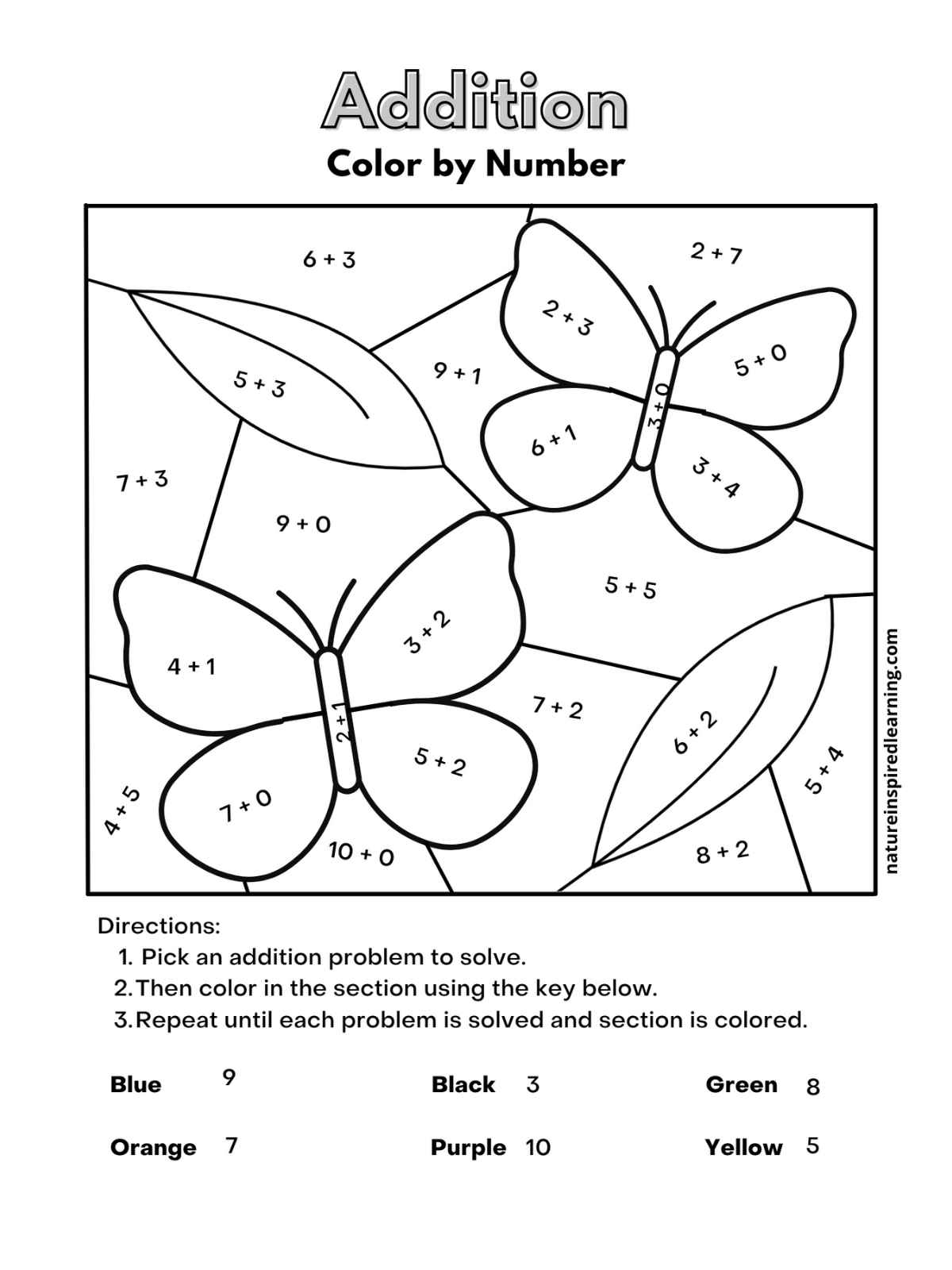
What is a Kindergarten Addition Color By Number?
A Kindergarten Addition Color By Number worksheet combines basic addition problems with a coloring activity. Students solve simple addition equations, which correspond to specific colors on the worksheet. When completed, the colored picture reveals a fun and often vibrant image, making the learning experience visually rewarding. This method helps children practice their addition skills in a low-pressure environment, allowing them to enjoy the process of learning.
Benefits of Using Color By Number Worksheets
Incorporating Kindergarten Addition Color By Number worksheets in your classroom or home setting offers numerous benefits:
- Engagement: Children love coloring, and when you combine this with math, they are more likely to stay focused and interested.
- Reinforcement of Skills: These worksheets provide an effective way to reinforce addition skills without the rigidity of traditional drills.
- Fine Motor Skills Development: Coloring within the lines helps young learners develop their fine motor skills, which are crucial for writing and other activities.
- Visual Learning: The combination of colors and numbers caters to visual learners, making abstract concepts more tangible.
How to Use Kindergarten Addition Color By Number Resources
Using these resources is straightforward. Here’s a simple guide to get started:
- Select the Worksheet: Choose a color by number worksheet that aligns with your lesson objectives. Ensure it’s appropriate for the skill level of your students.
- Prepare Materials: Gather crayons, colored pencils, or markers. You might want to print the worksheets on cardstock for durability, especially if they will be reused or colored heavily.
- Explain the Activity: Before handing out the worksheets, explain how to solve the addition problems and how the answers correspond to colors. You can demonstrate this with a sample problem.
- Supervise and Support: Walk around the classroom or home to offer support as needed. Some children may need help with the addition or understanding the color key.
- Discuss the Results: Once the worksheets are completed, take a moment to discuss the pictures and the addition problems. This reinforces learning and allows children to share their work.
Tips for Printing and Preparing Worksheets
To ensure the best results when using Kindergarten Addition Color By Number resources, consider these practical tips:
- Paper Type: Use heavier paper like cardstock for coloring pages. This prevents bleed-through and allows for vibrant colors without tearing.
- Print Settings: Select the portrait layout for most home printers. Set the quality to high to ensure that the colors print accurately.
- Size Matters: Standard letter size (8.5 x 11 inches) works well for most worksheets. Ensure that the dimensions fit your printer settings to avoid any cropping.
- Lamination: If you plan on using the worksheets multiple times, consider laminating them. This allows for dry-erase markers to be used, making them reusable.
Creative Uses Beyond the Classroom
While these worksheets are fantastic for classroom settings, they can also be used creatively at home or in informal learning environments. Here are some ideas:
- Math Centers: Create math centers where children can rotate through different activities, including color by number worksheets.
- Homework Assignments: Give these worksheets as homework to reinforce what was learned in class while keeping it fun.
- Summer Learning: Use these resources during summer breaks to keep skills sharp. You can create a summer learning packet with various worksheets to maintain engagement.
- Themed Activities: Tie the worksheets into themes or holidays. For example, use festive colors for a Halloween-themed worksheet or bright colors for a spring-themed one.









