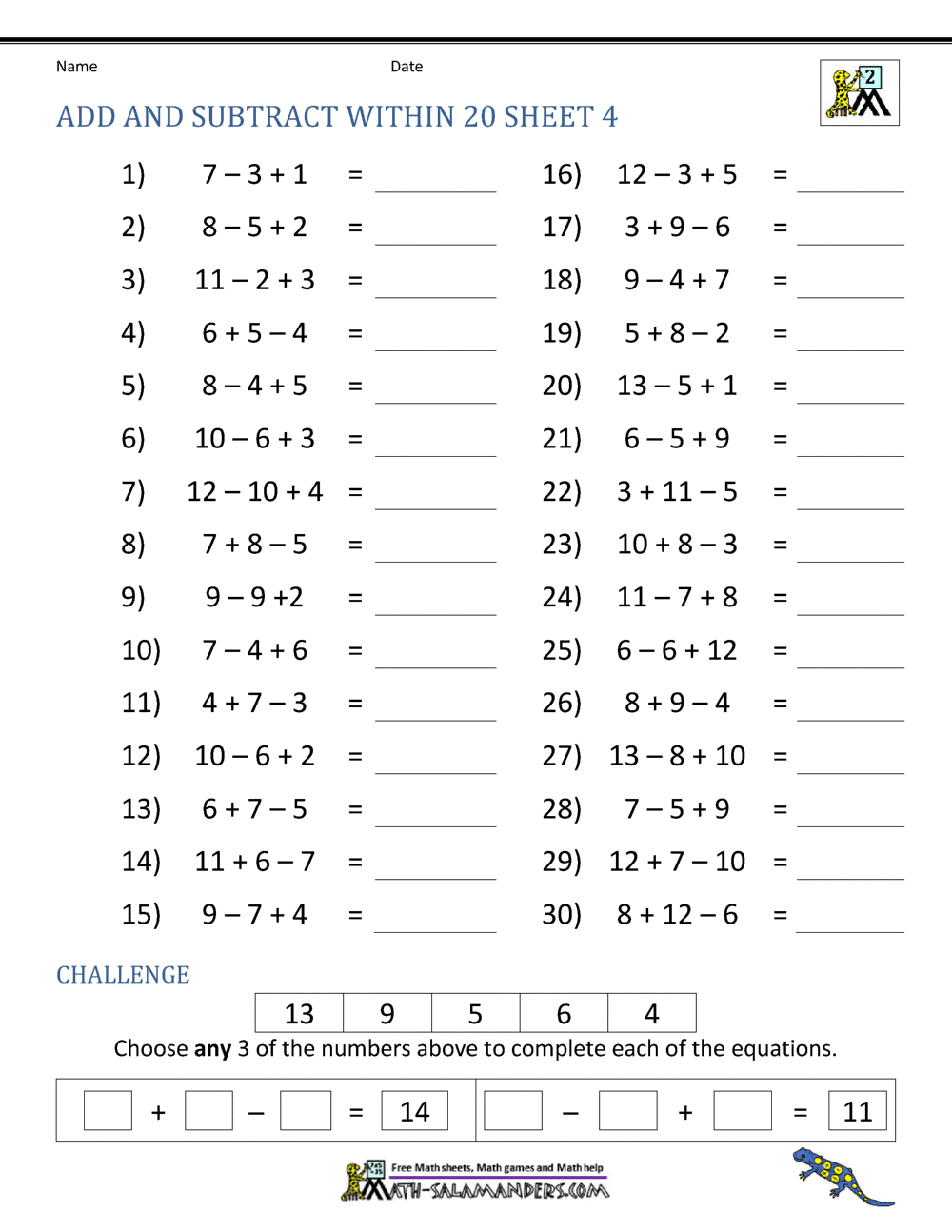
Addition And Subtraction Math Sheets are essential tools for teachers looking to enhance their students’ understanding of fundamental math concepts. These resources typically come in various formats, allowing you to choose what best fits your classroom needs. Whether you’re preparing for a lesson on basic addition or subtraction, having a variety of math sheets can make learning engaging and effective.
Understanding the Formats Available
When it comes to Addition And Subtraction Math Sheets, the most common formats you’ll encounter are PDF and printable worksheets. PDFs are preferred because they maintain formatting across different devices and are easy to print without losing quality.
- PDF: This format is ideal for printing, as it ensures that your worksheets maintain their layout and design.
- JPEG/PNG: While image formats can be used, they may require additional steps to print correctly, such as adjusting the scale.
- Word Documents: Some resources may offer editable Word documents, allowing for customization before printing.
For classroom use, PDFs are generally the most reliable choice. They also often come with the benefit of being printable in both color and black-and-white, accommodating various printing capabilities in schools.
Choosing the Right Paper
The type of paper you use can significantly impact the quality and durability of your Addition And Subtraction Math Sheets. Here are some options to consider:
- Standard Printer Paper (8.5 x 11 inches): This is the most common choice for worksheets. It’s cost-effective and works well for most classroom settings.
- Cardstock: If you’re looking for something more durable, cardstock can withstand more handling and is less likely to tear. This is particularly useful for reusable resources.
- Laminated Sheets: If you plan on using the sheets multiple times, consider laminating them. This allows for dry-erase markers to be used, making them suitable for repeated practice.
Make sure to adjust your printer settings accordingly. For instance, if you’re using cardstock, you may need to select a heavier paper setting to ensure smooth feeding through the printer.
Preparing for Printing
Before hitting the print button, it’s essential to double-check your printer settings to ensure the best results. Here are a few tips:
- Orientation: Most worksheets work best in portrait orientation. However, some designs might look better in landscape, depending on the layout.
- Quality Settings: Opt for high-quality printing if the worksheets contain intricate designs or images. This will ensure that every detail is clear and legible.
- Test Print: If you’re using a new type of paper or a different printer, it’s wise to do a test print first. This helps you avoid wasting materials and ensures everything looks as expected.
Engaging Your Students
Using Addition And Subtraction Math Sheets effectively can transform your teaching approach. Here are a few strategies to keep your students engaged:
- Incorporate Games: Turn worksheets into games by setting a timer and having students race to complete them. This can add excitement and urgency to the task.
- Group Activities: Use the worksheets in small groups, allowing students to collaborate and discuss their methods for solving problems. This encourages peer learning and communication.
- Track Progress: Make it a habit to collect and review the worksheets periodically. This not only helps you gauge student understanding but also provides opportunities for feedback and targeted support.
Customizing Your Resources
Many printable resources allow for some level of customization. This can be an excellent way to tailor the Addition And Subtraction Math Sheets to meet your students’ specific needs. Consider the following:
- Adjusting Difficulty: If you find that your students are struggling, create simpler versions of the worksheets by reducing the number of problems or changing the numbers used.
- Adding Visuals: For younger students, incorporating visuals like images or colored backgrounds can make the sheets more appealing and help with comprehension.
- Creating Themed Sheets: Depending on the time of year, you can create themed math sheets (like holiday-related problems) to make practice feel more relevant and fun.
Finding Quality Resources Online
There are numerous websites that offer free and paid Addition And Subtraction Math Sheets. Here’s how to find quality resources:
- Educational Websites: Sites like Teachers Pay Teachers or Education.com often have a wide variety of worksheets tailored to different grade levels and learning objectives.
- School District Resources: Many school districts provide free access to printable resources for teachers. Check your district’s website for any materials available to you.
- Teacher Blogs: Many educators share their resources for free on personal blogs. A quick search for “free addition and subtraction worksheets” can yield numerous results from experienced teachers.
Monitoring Student Progress
One of the key benefits of using Addition And Subtraction Math Sheets is the ability to track student progress effectively. Here are some methods to consider:
- Regular Assessment: Use the completed worksheets as informal assessments. This will help you identify areas where students may need additional support.
- Feedback: Provide constructive feedback on the worksheets. Highlight areas of success and offer tips for improvement to encourage growth.
- Student Reflection: Encourage students to reflect on their work. Ask them to identify which problems they found easy or challenging and why, fostering a growth mindset.
Final Considerations
While Addition And Subtraction Math Sheets are invaluable tools for teaching, it’s essential to remember a few practical considerations:
- File Management: Keep your downloaded resources organized. Create folders for different grade levels or math concepts to make it easier to find what you need when planning lessons.
- Quality Over Quantity: It’s better to have a few high-quality, engaging worksheets than a large volume of mediocre ones. Focus on resources that align with your teaching style and your students’ needs.
- Stay Updated: Educational resources evolve, so keep an eye out for new materials that can enhance your teaching. Joining educator communities online can provide insights into the latest tools and resources available.
By effectively utilizing Addition And Subtraction Math Sheets, you can create an engaging and supportive learning environment. With proper preparation and thoughtful integration into your lessons, these resources can significantly enhance your students’ mathematical skills and confidence.









