Adding Math Worksheets For Kindergarten can significantly boost your students’ understanding of essential math concepts. However, the challenge often lies in selecting the right worksheets that align with your teaching goals. This guide will walk you through the practical steps of choosing, downloading, printing, and effectively using these resources, ensuring your little learners grasp foundational math skills with confidence.
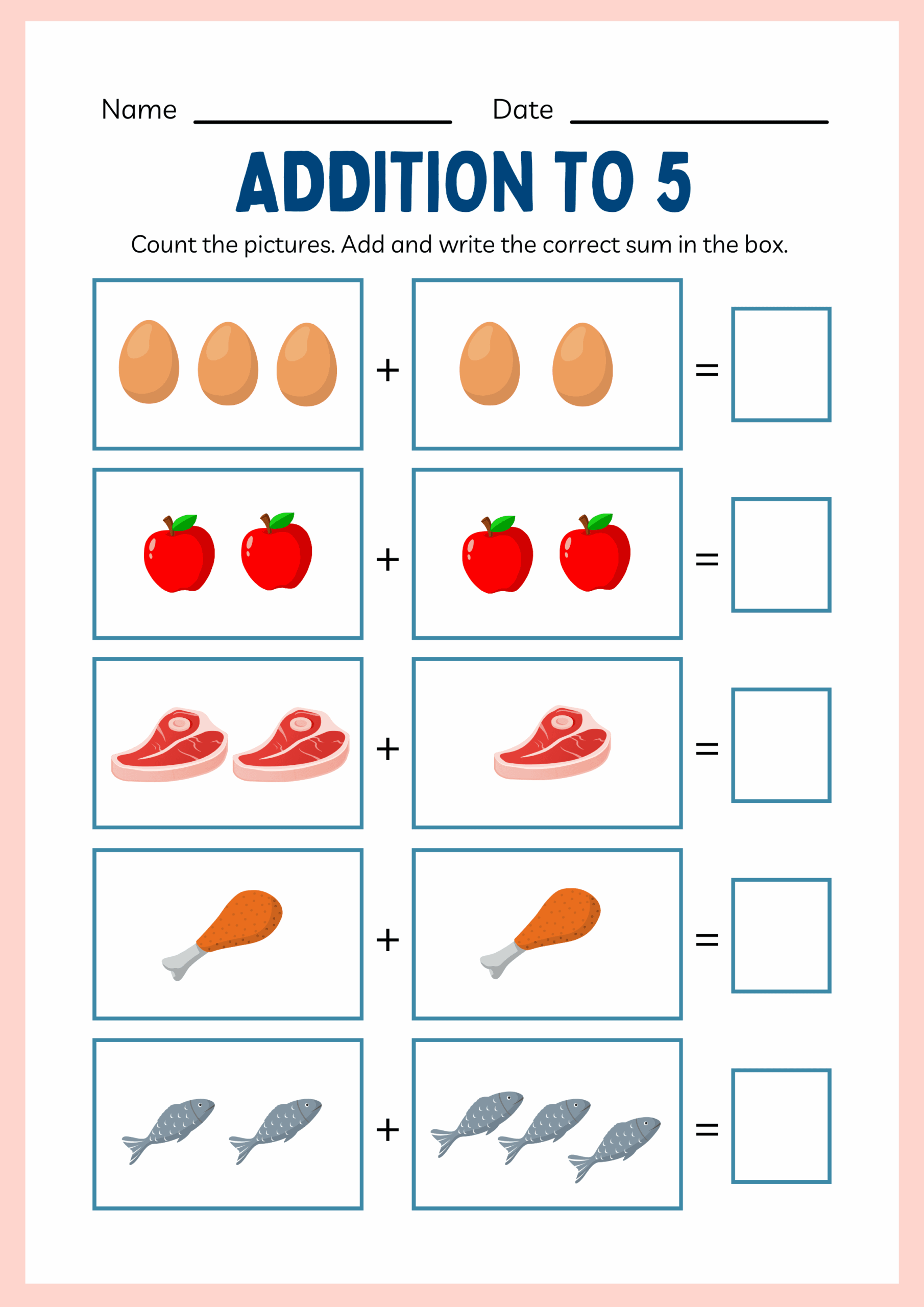
Understanding the Importance of Math Worksheets
Math worksheets serve as a crucial tool for reinforcing concepts learned in class. They provide opportunities for practice, which is essential for young learners. Worksheets can cover various topics, including counting, addition, subtraction, shapes, and patterns. By integrating these activities into your curriculum, you help students solidify their understanding and improve their problem-solving skills.
Moreover, worksheets can cater to different learning styles. Visual learners benefit from colorful designs, while kinesthetic learners may enjoy hands-on activities incorporated into the worksheets. This diversity makes math worksheets a versatile resource in any kindergarten classroom.
How to Choose the Right Math Worksheets
When it comes to Adding Math Worksheets For Kindergarten, the selection process is vital. Here are steps to guide you through choosing the most effective worksheets:
- Identify Learning Goals: Before you start downloading, outline your learning objectives. Are you focusing on basic counting, simple addition, or understanding shapes? Knowing your goals will help narrow down your options.
- Assess Skill Levels: Ensure the worksheets match your students’ current skill levels. Look for resources that offer a range of difficulty, allowing you to cater to both advanced students and those who may need additional support.
- Check for Variety: Look for worksheets that incorporate different types of activities. This might include coloring, matching, or tracing numbers and shapes. Engaging worksheets tend to hold children’s attention better.
- Consider the Format: Ensure the worksheets are available in a user-friendly format, such as PDF. This format preserves the layout and makes printing easier, avoiding issues with reformatting that can occur with image files.
- Read Reviews or Recommendations: If available, check reviews or ask fellow educators for recommendations. Personal experiences can guide you toward high-quality resources.
Where to Download Math Worksheets
Once you know what you’re looking for, it’s time to find where to download your selected worksheets. Many websites specialize in educational resources for teachers and parents. Here are a few reliable sources:
- Educational Resource Websites: Websites like Teachers Pay Teachers and Education.com offer a wide range of math worksheets specifically for kindergarten.
- Free Printable Sites: Websites like Education World and K5 Learning provide free downloadable worksheets. These are great for teachers on a budget.
- Local Education Departments: Some school districts offer free resources for teachers, including math worksheets that align with state standards.
When downloading, always ensure that the resources are compatible with your printer and check if they require specific software for viewing.
Printing Math Worksheets Effectively
After downloading your chosen worksheets, printing them correctly is crucial. Here are some tips to ensure optimal results:
- Select the Right Paper: Use cardstock for durability, especially if the worksheets will be used multiple times or need to withstand rough handling. For single-use worksheets, standard printer paper is adequate.
- Adjust Printer Settings: Always check your printer settings before printing. For worksheets with color, ensure your printer is set to high quality. Check if you need to select “portrait” or “landscape” orientation based on the worksheet layout.
- Preview Before Printing: Use the print preview feature to ensure everything appears correctly. This step can help you avoid wasting paper and ink.
- Consider Lamination: If you plan to reuse worksheets, consider laminating them. This allows students to use dry-erase markers, making it easier to write and erase without wasting paper.
Setting Up for Use in the Classroom
Now that you have printed your worksheets, the next step is to set them up for use. Here’s how to create an effective learning environment:
- Organize Worksheets by Topic: Create a binder or folder system to keep worksheets organized. Label sections clearly (e.g., counting, addition, shapes), making it easy to find the right materials when needed.
- Introduce Worksheets Gradually: Start with simple worksheets to build confidence. As students become more comfortable, gradually introduce more challenging activities.
- Incorporate Group Activities: Use worksheets as part of group activities. For example, students can work together on a worksheet, discussing their thought processes and solutions.
- Provide Feedback: After students complete their worksheets, take the time to review their work. Offer constructive feedback, highlighting what they did well and where they can improve.
- Adapt for Different Learning Styles: Modify activities based on individual students’ needs. For instance, pair worksheets with hands-on materials like counters or blocks to support those who learn better through tactile experiences.
Engaging Students With Math Worksheets
To maximize the effectiveness of Adding Math Worksheets For Kindergarten, consider these strategies to engage your students:
- Incorporate Games: Turn worksheet activities into games. For example, create a bingo game using math problems from the worksheets. This can make learning more interactive and fun.
- Use Themes: Tie worksheets to themes or seasons. During holidays, use worksheets featuring related images or concepts, such as counting pumpkins in fall or adding holiday ornaments in winter.
- Encourage Creativity: Allow students to color or decorate their worksheets. This not only makes the activity more enjoyable but also helps with fine motor skills.
- Offer Rewards: Consider implementing a reward system for completed worksheets. Small incentives can motivate students to engage more deeply with the material.
- Frequent Refresh: Regularly update your collection of worksheets to keep things fresh. Introduce new topics or formats to maintain interest.
By following these steps, you can effectively integrate math worksheets into your kindergarten curriculum, providing valuable practice that enhances your students’ learning experience.
One immediate action you can take is to gather a selection of worksheets today and prepare them for your next lesson. With the right resources in hand, you’re well on your way to fostering a positive and engaging math learning environment.









