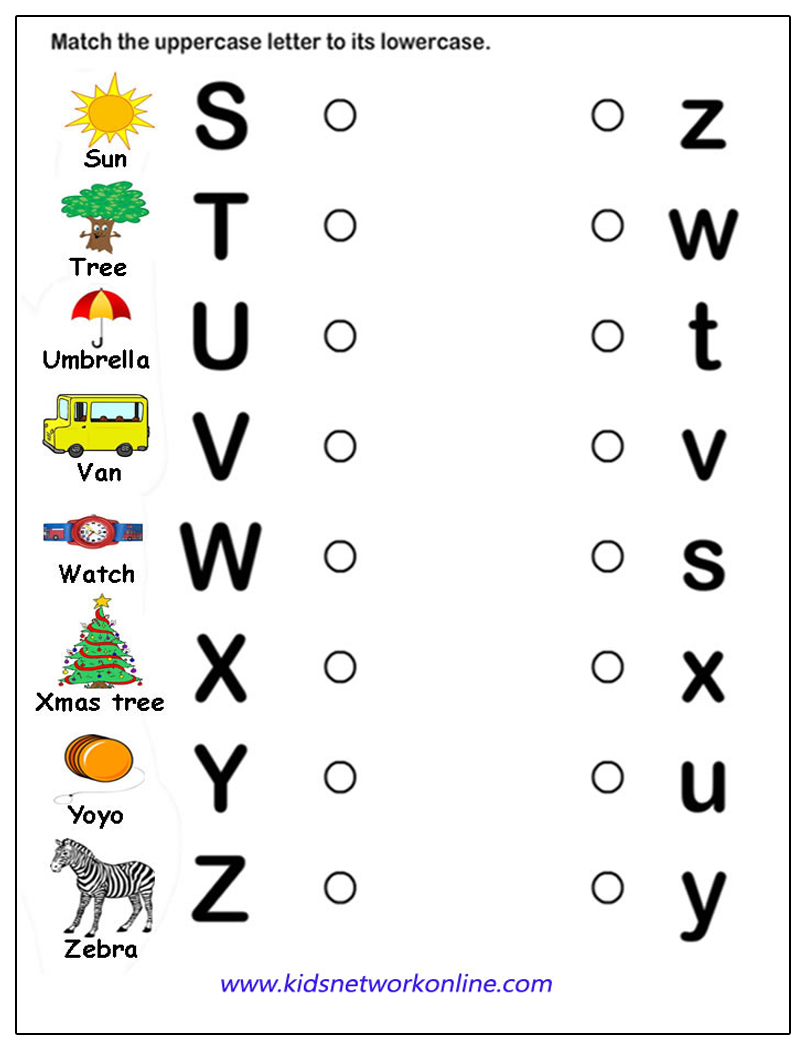
Teaching young learners the difference between uppercase and lowercase letters can be a challenging task. Many students struggle with letter recognition, which can lead to confusion in writing and reading. A well-crafted resource can make a significant impact, and that’s where the Match Upper And Lowercase Letters Worksheet comes into play. This printable worksheet is designed to engage students while helping them master the essential skill of matching uppercase letters with their lowercase counterparts.
Understanding the Importance of Letter Case Recognition
Recognizing uppercase and lowercase letters is foundational for literacy development in early education. Children typically begin this process around preschool or kindergarten, usually between ages 4 to 6. Mastering this skill not only builds their confidence in reading and writing but also lays the groundwork for future language learning. When students can easily identify and match letter cases, they are more likely to succeed in spelling, reading fluency, and even grammar as they progress through their education.
Features of the Match Upper And Lowercase Letters Worksheet
The Match Upper And Lowercase Letters Worksheet is designed with both teachers and students in mind. Here’s what makes this resource stand out:
- Engaging Design: The worksheet features colorful illustrations and clear fonts that capture the attention of young learners. This visual appeal is crucial for keeping students engaged during the activity.
- Variety of Activities: The worksheet may include several types of matching exercises, such as drawing lines between uppercase and lowercase letters, filling in blanks, or circling matching pairs. This variety helps reinforce learning in multiple ways.
- Adaptability: Suitable for classroom settings, homeschool environments, or even at home, this worksheet can be used for individual practice or group activities. This adaptability is essential for educators looking to cater to different learning styles and paces.
- Answer Key: Teachers can benefit from included answer keys, allowing for quick grading and review. This feature is especially useful in busy classroom settings where time is limited.
How to Use the Worksheet Effectively in the Classroom
Implementing the Match Upper And Lowercase Letters Worksheet in your lesson plans can be straightforward and effective. Here are some strategies to maximize its use:
- Introduce the Concept: Before handing out the worksheet, take some time to explain the difference between uppercase and lowercase letters. Use visual aids, such as flashcards or a whiteboard, to demonstrate examples.
- Model the Activity: Walk students through a few examples from the worksheet. Show them how to match letters and encourage them to verbalize their thought process. This modeling can help students feel more confident when they tackle the worksheet on their own.
- Facilitate Group Work: Pair students up to work on the worksheet together. This collaborative approach can foster communication and provide opportunities for peer learning. Students can discuss their answers and help each other understand the letter matching process.
- Incorporate Technology: If your classroom has access to tablets or computers, consider using an interactive version of the worksheet. There are several educational apps and websites that offer similar activities, allowing for a blended learning experience.
- Review and Assess: After students complete the worksheet, review the answers as a class. This not only reinforces the correct matches but also allows students to learn from their mistakes. Consider using this opportunity to introduce new vocabulary related to letters and sounds.
Tips for Printing and Preparing the Worksheet
When preparing the Match Upper And Lowercase Letters Worksheet for your class, keep these practical tips in mind:
- Paper Quality: Using cardstock can enhance durability, especially if you plan to laminate the worksheets for repeated use. This is particularly helpful in a classroom setting where materials often get handled frequently.
- Print Settings: Ensure your printer is set to the correct paper size, typically 8.5 x 11 inches for standard worksheets. Adjust settings for color printing to maintain the visual appeal of the worksheet.
- Bulk Printing: If you have a large class, print enough copies in advance. Consider organizing them in a folder or binder for easy distribution during class. This can save valuable time during lessons.
- Answer Key Management: Keep the answer keys separate and accessible. This can streamline the grading process and help you quickly address any questions students might have during review sessions.
Expanding Learning Beyond the Worksheet
While the Match Upper And Lowercase Letters Worksheet is a fantastic resource, consider integrating additional activities to reinforce the concept of letter case recognition:
- Interactive Games: Use games like “Letter Bingo” where students can find and match uppercase and lowercase letters on their cards. This adds an element of fun and competition to the learning process.
- Craft Projects: Engage students in a hands-on activity where they create a poster featuring both uppercase and lowercase letters. They can decorate their letters with drawings or stickers, reinforcing their learning visually.
- Reading Aloud: Incorporate stories that emphasize uppercase and lowercase letters. As you read aloud, point out the letters in the text, helping students connect their worksheet activity with real-world reading.
- Daily Practice: Consider assigning a short matching exercise as part of a daily routine. This consistent practice can help reinforce their skills and improve retention over time.
Monitoring Student Progress
As with any educational resource, it’s essential to monitor student progress when using the Match Upper And Lowercase Letters Worksheet. Here are some practical ways to assess their understanding:
- Observation: Pay attention to how students approach the worksheet and their ability to complete the matching tasks. This can provide insights into their confidence and skills.
- Follow-up Assessments: After completing the worksheet, consider giving a brief assessment to gauge their understanding. This could be as simple as asking them to verbally match letters or write a few examples on the board.
- Feedback Sessions: Provide individual feedback to students based on their performance. This can help them understand where they excel and where they may need more practice.









