In a busy classroom, a teacher named Mrs. Thompson is preparing her lesson plan for the week. As she sorts through her materials, she realizes that her students struggle with remembering the sequence of the months of the year. To tackle this challenge, she decides to incorporate a Months Of The Year Printable Chart into her teaching toolkit. This chart isn’t just a decorative piece; it’s a practical resource that can significantly enhance learning and retention for young students.
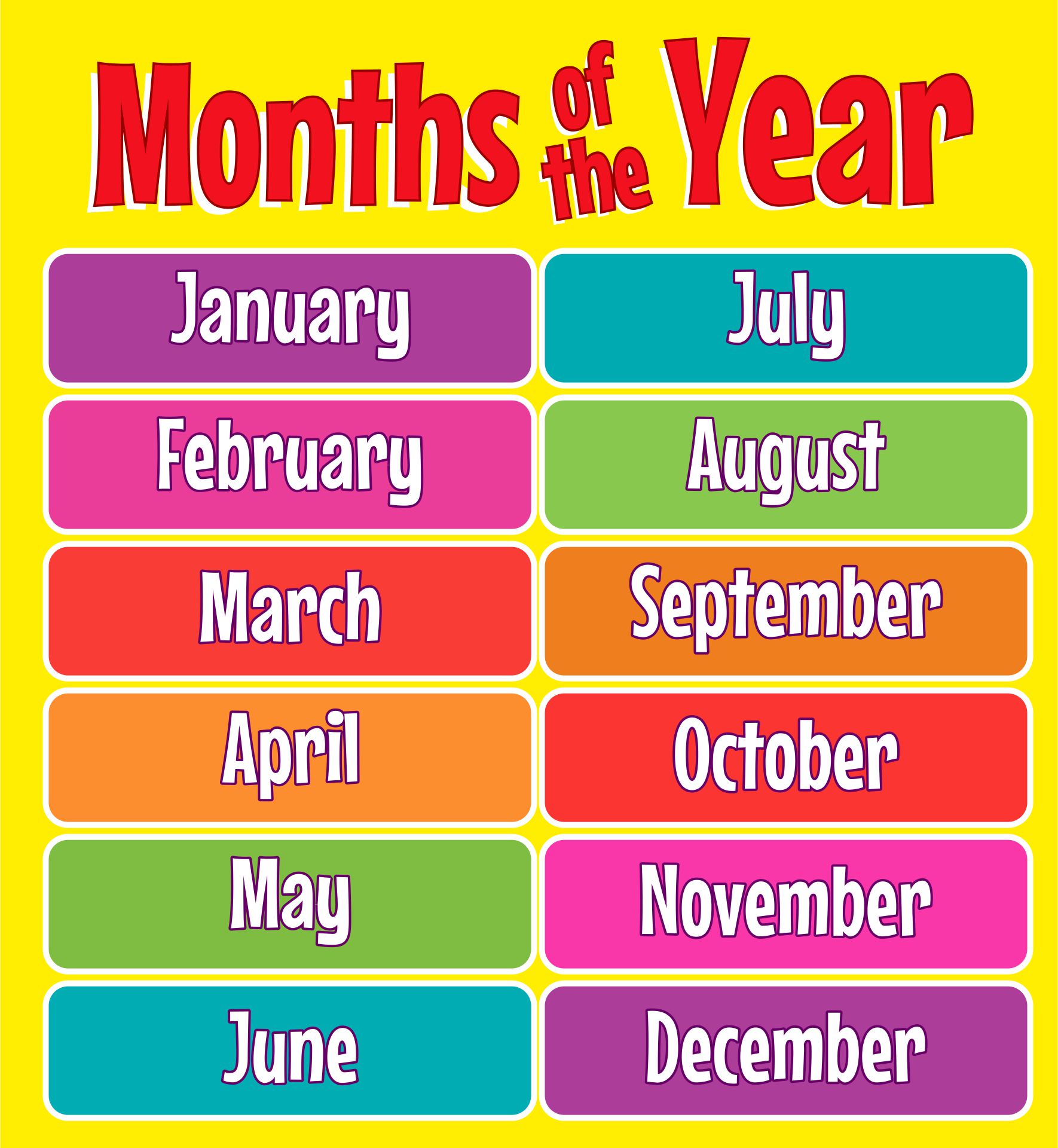
Understanding the Months Of The Year Printable Chart
A Months Of The Year Printable Chart serves multiple purposes in both classroom and home settings. Typically, this chart lists all twelve months in a clear, visually appealing format, making it easy for children to read and comprehend. Many charts also include the number of days in each month, seasonal references, or even space for students to fill in their own important dates, such as birthdays or holidays.
The layout of these charts is usually straightforward, often presented in a horizontal or vertical format. Teachers can choose a design that best fits their classroom aesthetic and educational goals. Colors and images may be included to engage students and make the learning process more enjoyable.
How to Use the Months Of The Year Printable Chart
Integrating a Months Of The Year Printable Chart into daily activities can greatly benefit students’ understanding of time management and planning. Here are some practical ways to utilize this resource effectively:
Daily Calendar Activities
Using the chart during calendar time is a great way to reinforce the sequence of the months. Each day, you can have students point to the current month and discuss what events or holidays are coming up. This not only aids memory but also teaches them about the concept of time passing.
Seasonal Projects
With the chart displayed prominently in the classroom or at home, students can engage in seasonal projects tied to each month. For example, creating art projects that reflect the changes in nature during the different seasons can help solidify their understanding of each month’s characteristics. Teachers can assign specific months for students to focus on, allowing for deeper exploration of holidays, weather changes, and activities that are common in that time frame.
Personalization and Reflection
Encouraging students to personalize their charts can make the learning experience more meaningful. Allow them to add their birthdays, family events, or even upcoming school activities. This not only makes the chart more relevant to them but also provides an opportunity to practice writing and spelling the month names.
Choosing the Right Format for Your Needs
When selecting a Months Of The Year Printable Chart, consider the following formats that might best suit your educational setting:
PDF Vs. Image Files
PDF files are often the best choice for printable resources. They maintain their formatting regardless of the software being used, which ensures that the chart will look the same when printed as it does on the screen. Image files may sometimes lose quality or change size when printed, leading to a less professional appearance.
Size Considerations
A chart that is too small may be difficult for students to read, while one that is too large can take up valuable space. Common sizes for printable charts include 8.5″x11″ (standard letter size) and 11″x17″ (tabloid size). Consider where the chart will be displayed and choose a size that maximizes visibility.
Design Elements
Look for charts that incorporate engaging visuals. Colors, illustrations, and patterns can help capture students’ attention. However, avoid overly busy designs that may distract from the learning objective. A simple, bright design often works best.
Incorporating the Chart Into Lesson Plans
Teachers can seamlessly integrate the Months Of The Year Printable Chart into their lesson plans. Here’s how:
Weekly Themes
Consider adopting a theme for each week based on a particular month. For example, if the focus is on April, lessons can include discussions about spring, Earth Day, and related vocabulary. The chart serves as a reference point throughout the week, reinforcing learning through repetition.
Assessment Tools
The chart can also be used as an informal assessment tool. Teachers can ask students to verbally identify the months in order, or present them with scenarios where they have to determine which month certain events fall into. Observing their responses can provide insight into their understanding and retention of the material.
Collaborative Learning
Encourage group activities where students work together to create a calendar for a fictional country or plan events for the school year. Using the chart as a reference, they can discuss and decide which months are best suited for different activities. This promotes teamwork and critical thinking while reinforcing their knowledge of the months.
Common Mistakes to Avoid
When using a Months Of The Year Printable Chart, it’s important to be mindful of potential pitfalls that can hinder its effectiveness. Here are some common mistakes to avoid:
Lack of Visibility
Ensure that the chart is placed in a prominent location where all students can see it easily. If it’s tucked away on a wall or in a binder, students may overlook it. Consider hanging it at eye level or using a bulletin board for easy access.
Inconsistent Use
Consistency is key when teaching concepts. Make it a habit to refer to the chart regularly—during calendar time, while planning activities, or when discussing upcoming events. Inconsistent use can lead to confusion and diminish its impact.
Neglecting Engagement
Charts that are simply printed and hung without further interaction can become stale. Engage students by asking questions related to the chart regularly. This can include identifying the current month, discussing upcoming holidays, or encouraging them to share their favorite month and why.
Final Tips for Effective Use
To maximize the effectiveness of a Months Of The Year Printable Chart, consider the following practical tips:
- Update Regularly: Keep the chart current with significant dates and events relevant to your students. This can include adding new holidays or special classroom projects.
- Encourage Ownership: Allow students to take turns updating the chart, making it a shared resource that they feel responsible for.
- Use Multiple Formats: Consider providing both physical and digital versions of the chart. This way, students can refer to it on different devices or print it out at home for additional practice.
With thoughtful integration and consistent engagement, the Months Of The Year Printable Chart can become an invaluable tool in both classrooms and homes, aiding in the understanding of time and organization while making learning enjoyable and interactive.









