Coloring is not just a fun pastime; it serves as a valuable educational tool for young learners. When looking for engaging resources, Coloring Pages Of The Number 1 offer a creative and interactive way to teach children about numbers and counting. These coloring pages can help reinforce numerical recognition while providing a calming activity that encourages focus and relaxation.
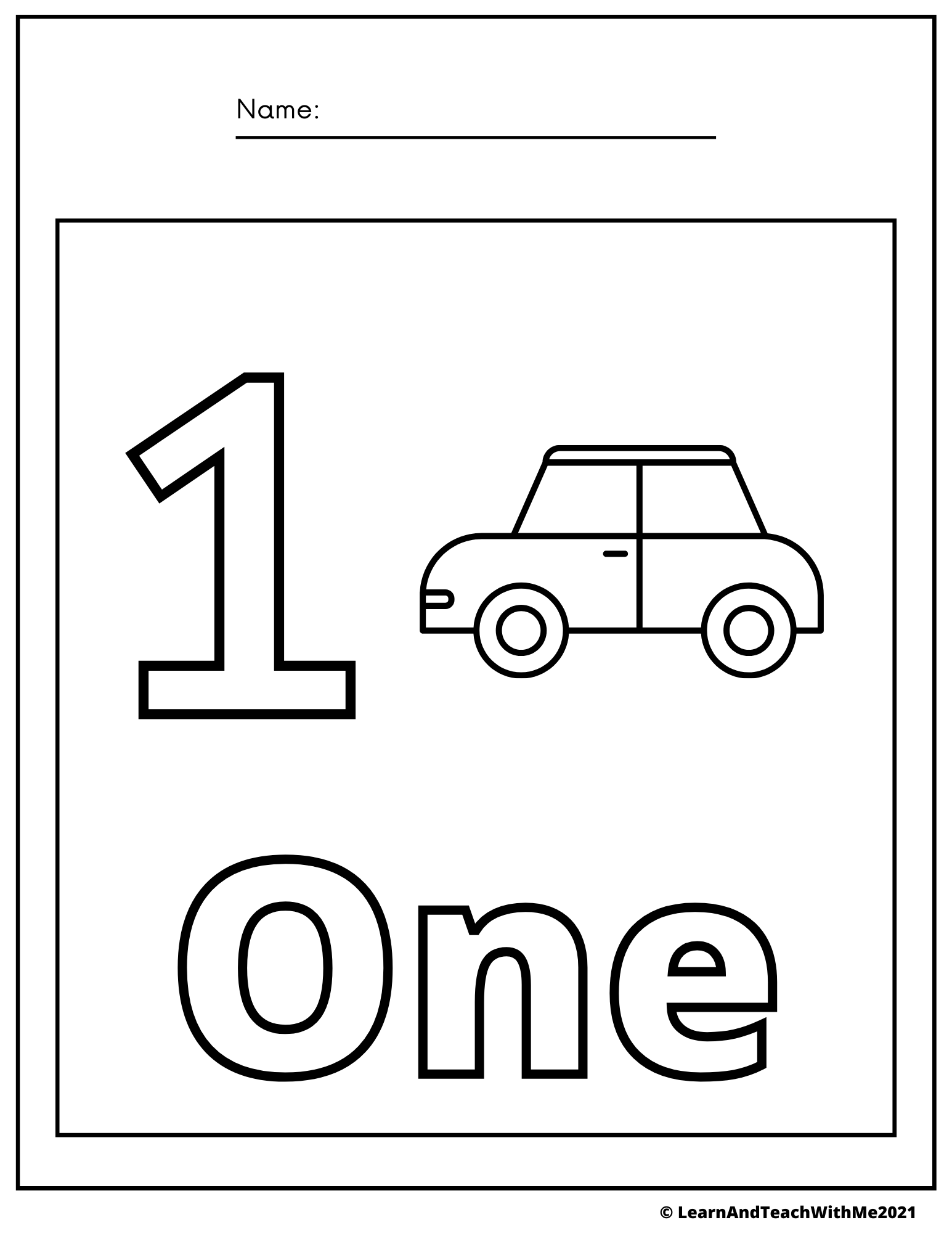
Understanding the Importance of Number Recognition
Before diving into the specifics of coloring pages, it’s essential to understand why number recognition is crucial for young learners. Recognizing numbers is the foundation for mathematical skills. Children who can identify numbers early often develop a stronger understanding of math concepts later on. By incorporating coloring pages that focus on the number 1, you can create a fun and engaging way for kids to learn.
How Coloring Pages Enhance Learning
Coloring pages are not just about filling in shapes with colors. They offer several educational benefits, including:
- Motor Skills Development: Coloring helps improve fine motor skills, which are essential for writing and other tasks.
- Focus and Concentration: Engaging in coloring can enhance a child’s ability to focus and concentrate for extended periods.
- Creativity and Expression: Children express themselves through colors and designs, fostering creativity.
Selecting the Right Coloring Pages Of The Number 1
When choosing coloring pages, consider the following factors to ensure they meet your educational goals:
- Age Appropriateness: Select pages that match the skill level of the children. Simple designs work well for younger kids, while more intricate pages can challenge older ones.
- Design Variety: Look for pages that feature the number 1 in different contexts, such as animals, objects, or scenes. This variety keeps children engaged and helps reinforce the lesson.
- Printable Quality: Ensure the coloring pages are high-quality PDFs that can be easily printed without losing detail.
Downloading and Printing Coloring Pages
Once you’ve identified the ideal coloring pages, the next step is to download and print them. Here are some practical tips for this process:
- Check File Format: Ensure the pages are in PDF format. PDFs maintain quality and layout when printed, avoiding formatting issues that can arise with image files.
- Use Appropriate Paper: For coloring pages, cardstock is recommended. It holds up better against markers and crayons, preventing bleed-through.
- Printer Settings: Set your printer to “best quality” to ensure clear lines and vibrant colors. Portrait orientation usually works better for most standard coloring pages.
- Size Matters: Standard letter size (8.5 x 11 inches) is ideal for most coloring pages. Ensure your printer settings reflect this to avoid scaling issues.
Creative Uses for Coloring Pages Of The Number 1
Coloring pages can be utilized in various ways beyond simple coloring. Here are some creative ideas to maximize their educational value:
Incorporating Learning Activities
- Counting Practice: After coloring, ask children to count items related to the number 1 on the page. For example, if the page features one cat, have them count the cat.
- Storytelling: Encourage children to create a story based on the image they colored. This fosters creativity and language skills.
- Group Activities: Use coloring pages in a group setting, allowing children to share their creations and discuss their drawings. This enhances social skills.
Mindfulness Through Coloring
Coloring is more than just an educational tool; it can also serve as a form of mindfulness practice. Here’s how:
- Stress Relief: Engaging in coloring can reduce anxiety and promote relaxation. This is especially beneficial for children who may feel overwhelmed in a traditional learning environment.
- Focus and Mindfulness: Coloring requires concentration, which can help children practice mindfulness. They learn to focus on the task at hand, which can translate to better attention in other areas.









