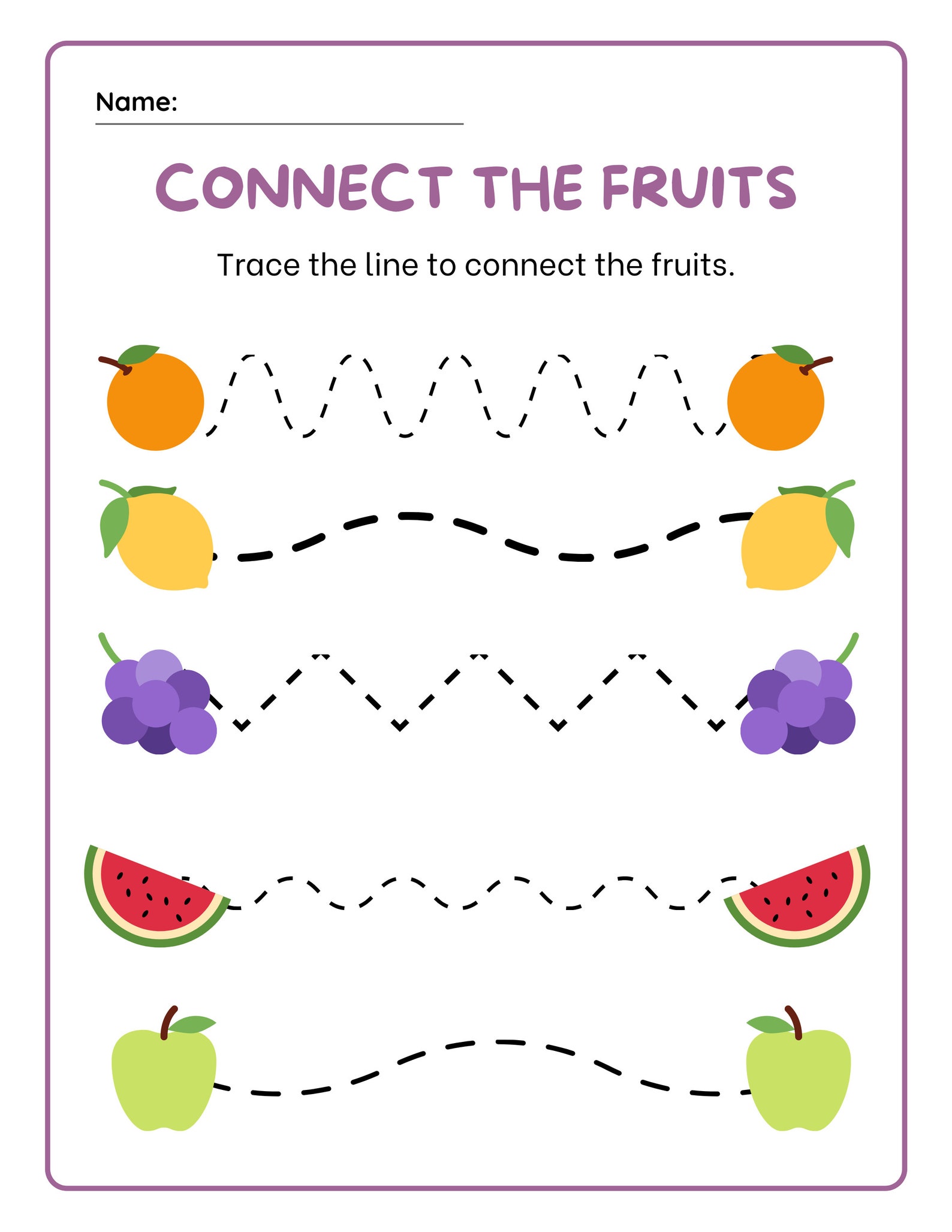
The ideal resource for young learners, tracing sheets for Pre K are designed to enhance fine motor skills and prepare children for writing. These sheets typically come in various formats—letters, numbers, shapes, and even simple pictures—which help children practice their writing and drawing skills in a fun, interactive way. Using these sheets can be an essential part of your educational toolkit, If you are a teacher, a parent, or a homeschool educator.
Understanding the Importance of Tracing Sheets
Tracing sheets serve a critical purpose in early childhood education. They not only help children learn how to form letters and numbers, but they also enhance their hand-eye coordination and fine motor skills. When kids trace, they develop muscle memory that is vital for writing. This practice lays the groundwork for more complex writing tasks as they progress through their educational journey.
For Pre K children, tracing sheets may feature simple lines and shapes to start, gradually increasing in difficulty. This gradual progression helps build confidence and encourages a love of learning.
Choosing the Right Tracing Sheets
When selecting tracing sheets for Pre K, consider the following factors:
- Age Appropriateness: Ensure the tracing sheets are suitable for Pre K learners, focusing on basic shapes, letters, and numbers.
- Variety: Look for a mix of letters (both uppercase and lowercase), numbers, and fun images that align with your teaching goals.
- Print Quality: Download sheets in high-resolution formats to ensure clarity when printed. PDF files are usually the best option as they preserve formatting.
- Customization Options: Some resources allow you to customize sheets, which can be especially useful for targeting specific learning goals.
You can find many of these resources online—some are free, while others may require a small fee.
Downloading and Printing Tracing Sheets
Once you’ve found the perfect tracing sheets for Pre K, the next step is to download and print them. Here’s how to do it effectively:
- Download the Files: Click on the provided download link. Most tracing sheets will be available in PDF format, which is ideal for printing.
- Adjust Settings: Before printing, adjust your printer settings. For best results, use the following:
- Paper Size: Standard Letter (8.5″ x 11″) is commonly used, but check the resource for specific recommendations.
- Quality: Set your printer to ‘Best’ quality to ensure the lines are clear and easy to follow.
- Orientation: Portrait orientation typically works best for tracing sheets.
- Print a Test Page: Always print one test page first to check the layout and quality before printing multiple sheets. This helps avoid wasting paper.
Setting Up a Tracing Activity
Integrating tracing sheets into your daily routine can be simple and rewarding. Here’s a step-by-step guide to setting up a tracing activity at home or in a homeschool environment:
- Gather Materials: In addition to the printed tracing sheets, have crayons, markers, or pencils ready. Consider using dry-erase markers if you want to make the sheets reusable.
- Create a Comfortable Space: Set up a quiet, well-lit area where your child can work comfortably. A table or desk with a chair that fits their height is ideal.
- Introduce the Activity: Explain what tracing is and why it’s important. Show them how to hold the writing tool correctly.
- Demonstrate: Before they start, demonstrate how to trace one or two examples. Encourage them to follow your lead, but let them explore at their own pace.
- Provide Encouragement: As your child works on their tracing sheets, offer positive reinforcement. Celebrate their efforts, and gently correct any mistakes without discouragement.
- Review and Reflect: After the activity, review what they traced. Ask questions about the letters or shapes, reinforcing their learning.
Incorporating Tracing Sheets Into Learning Themes
To make tracing sheets even more engaging, you can tie them into broader learning themes. Here are a few ideas:
- Seasonal Themes: Create tracing sheets that include seasonal images (like snowflakes in winter or leaves in fall) alongside letters and numbers.
- Holidays: Use tracing sheets that incorporate holiday themes, such as tracing candy canes for Christmas or pumpkins for Halloween. This not only makes learning fun but also relevant.
- Storytime Connections: After reading a story, have tracing sheets that relate to characters or themes from the book. This reinforces comprehension and retention.
Tips for Using Tracing Sheets Effectively
To maximize the benefits of tracing sheets for Pre K learners, consider these practical tips:
- Limit Distractions: Ensure the environment is free from distractions. This helps your child focus on the task at hand.
- Regular Practice: Consistency is key. Set aside a specific time each day for tracing activities to develop a routine.
- Mix It Up: Alternate between different types of tracing sheets to keep the activity fresh and engaging. Include a mix of letters, numbers, and shapes.
- Follow Up with Creative Activities: After tracing, encourage your child to use what they’ve learned in creative ways, such as drawing their own pictures or writing words.
Using tracing sheets can be an enjoyable and beneficial part of your Pre K educational experience. They not only help children develop essential skills but also foster a love for learning through creative exploration.
Lastly, one useful detail to remember is that laminating your tracing sheets allows for repeated use. This can save you time and resources while providing a sustainable option for ongoing practice.









