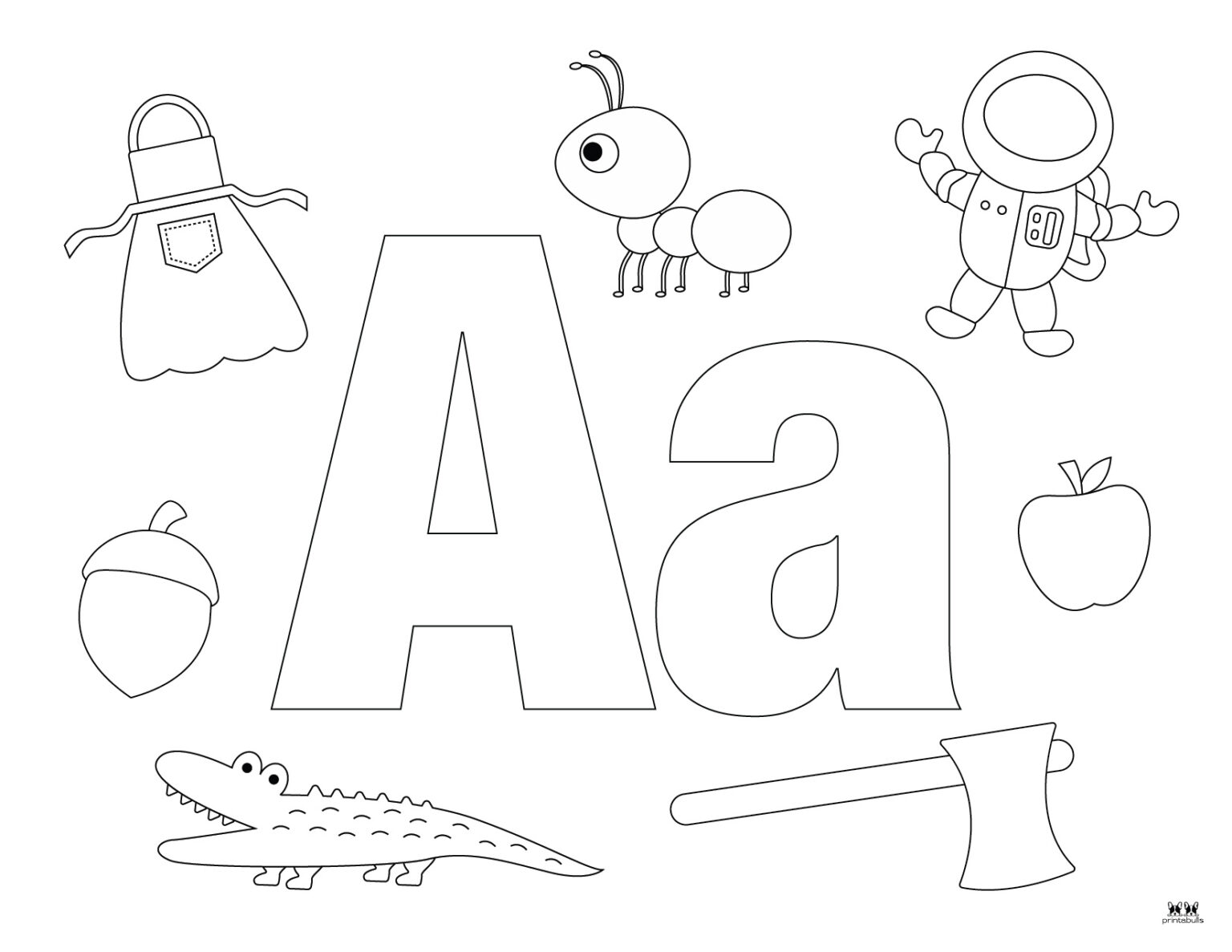
Coloring can be a fantastic way to help young children grasp the fundamentals of language, particularly when it comes to recognizing letters. If you’re a teacher or caregiver looking for an engaging resource, The Letter A Coloring Sheet can be a valuable tool in your educational toolkit. This resource not only encourages creativity but also aids in letter recognition and fine motor skills development.
Understanding the Importance of Coloring Sheets
Coloring sheets serve multiple purposes in a classroom or home setting. They can be an effective way to:
- Enhance Fine Motor Skills: As children color, they practice hand-eye coordination and develop the small muscles in their hands and fingers.
- Promote Creativity: Coloring allows children to express themselves artistically, choosing colors and patterns that reflect their personality.
- Support Letter Recognition: A coloring sheet focused on a specific letter, like “A,” reinforces visual recognition and can be paired with phonetic sounds.
By using The Letter A Coloring Sheet, you can address these needs while keeping the learning process enjoyable.
How to Use The Letter A Coloring Sheet
Once you’ve downloaded The Letter A Coloring Sheet, the next step is to integrate it into your teaching plan. Here are some practical suggestions:
Incorporating Into Lesson Plans
- Introduce the Letter: Begin with a brief introduction to the letter “A.” Discuss its sound, where it appears in words, and its significance.
- Coloring Activity: Hand out The Letter A Coloring Sheet and encourage students to color it in. You might want to provide various coloring materials, such as crayons, markers, or colored pencils.
- Discussion: After coloring, engage the children in a discussion about words that start with the letter “A.” You can prompt them with examples like apple, ant, and alligator.
This structured approach not only makes the activity fun but reinforces the learning objectives.
Additional Activities to Enhance Learning
To further enrich the experience, consider these additional activities:
- Create a Letter Collage: After the coloring activity, ask students to find pictures from magazines or printed images that start with “A” and create a collage.
- Letter A Crafts: Incorporate a simple craft that involves the letter “A,” like making an apple out of red construction paper or creating an ant using black paper and googly eyes.
- Display Work: Once students complete their coloring sheets, consider displaying their work on a bulletin board. This recognition can boost their confidence and pride in their work.
Printing Tips for The Letter A Coloring Sheet
To ensure the best results when printing The Letter A Coloring Sheet, keep the following tips in mind:
- Paper Choice: Using heavier paper, like cardstock, can enhance the coloring experience and prevent bleeding through. Standard printer paper is also acceptable but may not hold up as well.
- Printer Settings: If your printer has settings for color quality, select a higher quality to make the outlines of the coloring sheet crisp and clear.
- Size Matters: The standard size for printing coloring sheets is 8.5 x 11 inches. Ensure your print settings reflect this to avoid cropping important details.
These tips will help you produce high-quality sheets that children can enjoy coloring.
Creative Uses for Completed Coloring Sheets
Once the children have colored their sheets, there are multiple ways to utilize their artwork. Here are some ideas:
Framing and Displaying Art
- Create a Gallery Wall: Dedicate a space in your classroom or at home to display the completed coloring sheets. This can inspire children and provide a sense of accomplishment.
- Personalized Gifts: Use the colored sheets as unique gifts for parents or guardians. A simple frame can turn their artwork into a cherished keepsake.
Portfolio Development
- Keep a Portfolio: As children complete various coloring sheets throughout the year, compile their work into a portfolio. This not only tracks their progress but also serves as a great end-of-year review.
- Reflection: Encourage children to reflect on their work by discussing what they enjoyed about the coloring process or what they learned about the letter “A.”
Engaging Parents and Caregivers
Involving parents and caregivers can enhance the impact of The Letter A Coloring Sheet beyond the classroom. Here are ways to engage them:
- Share Resources: Provide parents with copies of the letter coloring sheet to use at home. This can reinforce what children learn in class.
- Encourage Family Activities: Suggest that families create a “letter of the week” tradition, where they focus on one letter each week and explore related activities together.
This collaboration can extend the learning experience and make it more meaningful.
Adapting for Different Learning Styles
Every child has a unique learning style. Here’s how to adapt The Letter A Coloring Sheet for various learners:
Visual Learners
- Coloring Techniques: Encourage visual learners to experiment with different coloring techniques, such as gradients or patterns, to enhance their artistic expression.
Kinesthetic Learners
- Movement Integration: For kinesthetic learners, incorporate movement by having them act out words that start with “A” while they color. This could include actions like pretending to eat an apple or crawling like an ant.
Auditory Learners
- Storytime: Pair the coloring activity with a story that features the letter “A.” This can help auditory learners connect the letter to language and storytelling.
By recognizing these differences, you can create a more inclusive learning environment that meets the needs of all students.









