Templates for Children’s Crafts offer a wonderful way to inspire creativity while helping children develop fine motor skills and artistic expression. These resources can be easily downloaded, printed, and utilized right away, making them an invaluable tool for teachers and parents alike. By incorporating these templates into your lesson plans or at-home activities, you can foster a love for crafting in children while also tracking their progress in various skills.
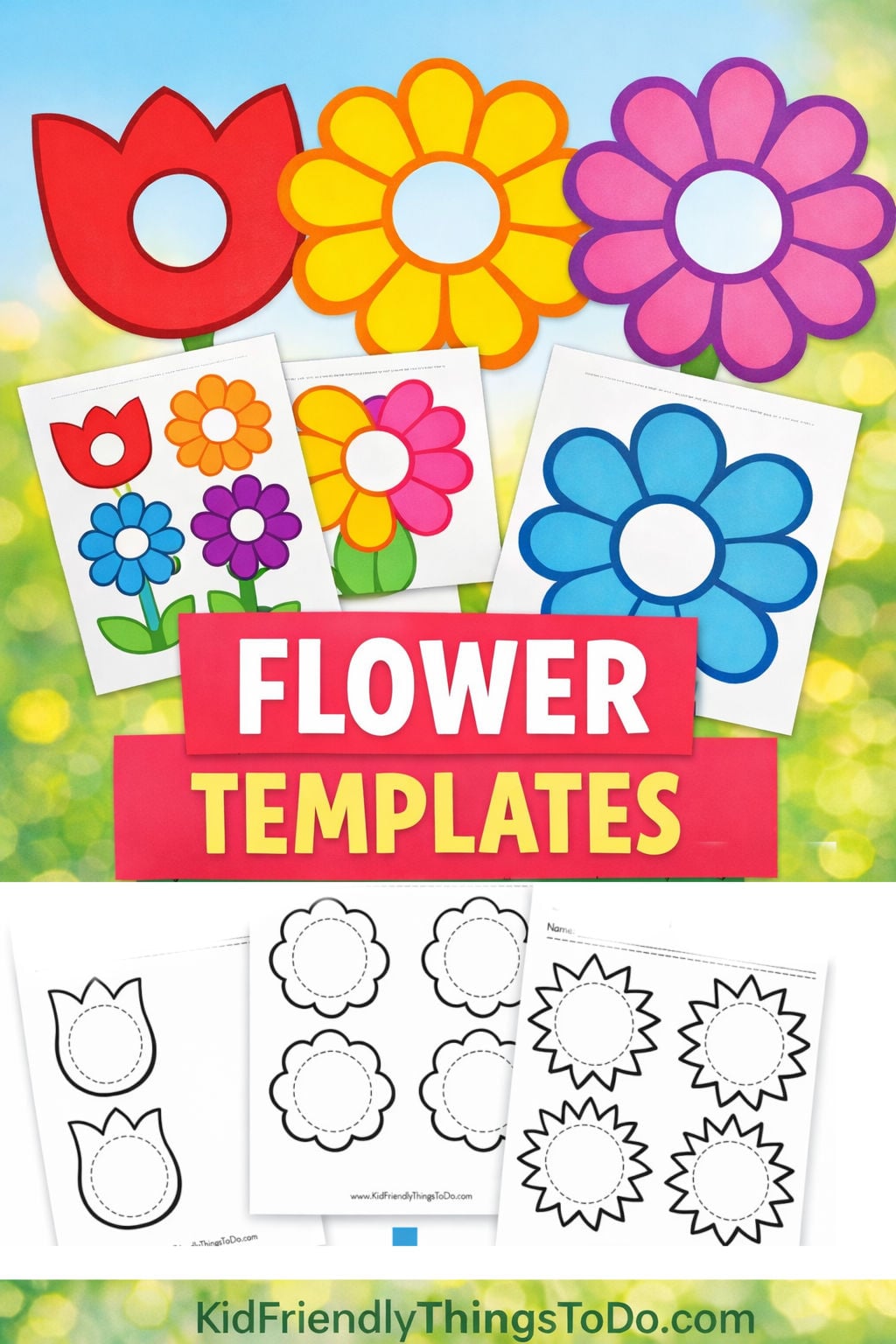
Understanding the Importance of Templates for Children’s Crafts
Using templates in crafting activities is not just about convenience; they serve several educational purposes. Templates provide a structured approach to creativity, allowing children to focus on the artistic process rather than the logistics of drawing or cutting shapes. They can help with:
- Skill Development: Templates guide children in learning how to cut, glue, and assemble various materials, enhancing their fine motor skills.
- Creativity Boost: By providing a base, children can freely express their creativity through coloring, decorating, and personalizing the templates.
- Confidence Building: Completing a craft project using a template can give children a sense of achievement, encouraging them to tackle more complex crafting projects in the future.
When you choose Templates for Children’s Crafts, you’re not just providing a fun activity; you’re creating opportunities for learning and growth.
Types of Templates Available
Templates for Children’s Crafts come in a variety of types and formats, each catering to different age groups and interests. Here are some popular categories you might encounter:
Coloring Pages
Coloring templates are a fantastic way for younger children to practice their coloring skills while exploring different themes, such as animals, holidays, or fairy tales. These templates can be printed on standard A4 or letter-sized paper, making them easy to handle for little hands.
Cut-Out Shapes
Templates that require cutting out shapes can help children develop hand-eye coordination. These templates often include outlines for animals, flowers, or seasonal decorations. When printed on cardstock, these shapes can be more durable for crafting projects.
Craft Projects
Some templates provide complete instructions for more complex craft projects, such as making puppets or cards. These are particularly useful during holiday seasons or themed events, as they often include additional elements like decorations or backgrounds that children can personalize.
Worksheets
Incorporating educational worksheets with craft templates can enhance the learning experience. For instance, a template for a craft project might be accompanied by a worksheet that includes questions about the theme, reinforcing both artistic and academic skills.
How to Use Templates Effectively
Using templates effectively requires a little planning to ensure that the activity is both enjoyable and educational. Here are some steps to consider:
- Select the Right Template: Choose templates that align with your educational goals. Consider the age group of the children and the skills you want to develop.
- Prepare Materials: Gather all necessary materials before starting the activity. This might include scissors, glue, coloring tools, and any other embellishments.
- Demonstrate: Before handing out the templates, demonstrate how to use them. Show the children how to cut, fold, or color, depending on the template type.
- Encourage Creativity: Let the children know they can personalize the templates. Whether it’s adding stickers or using different colors, encourage them to make the project their own.
- Track Progress: After completing the craft, discuss what they learned during the process. This can include talking about the colors they chose or the techniques they used.
Where to Find Quality Templates for Children’s Crafts
Finding quality templates for children’s crafts can be made easy with a little guidance. Here are a few tips on where to look:
Online Printable Resources
Many websites offer free or low-cost printable templates specifically designed for children’s crafts. Look for sites that categorize their resources by age group or theme to streamline your search. Additionally, ensure that the templates are available in PDF format to avoid any reformatting issues when printing.
Educational Publishers
Consider checking educational publishers that specialize in children’s resources. They often provide high-quality templates that are vetted for educational value. These templates may also come with additional resources, such as lesson plans or instructional videos.
Craft Supply Stores
Some local craft supply stores offer printed templates as part of their product lines. Visiting these stores can also provide inspiration, as you may find materials that complement the templates you choose.
Tips for Printing and Using Templates
When it comes to printing the templates, there are a few practical tips to keep in mind to ensure the best results:
- Paper Type: Use heavier paper or cardstock for templates that require cutting or gluing. This ensures durability and ease of handling.
- Printer Settings: Set your printer to the best quality setting. This can help the colors stand out and ensure that fine details are clearly printed.
- Test Print: If you’re unsure about how a template will look, print a test page first. This allows you to check the layout and make any necessary adjustments before printing multiple copies.
- Laminating: If you plan to use certain templates repeatedly, consider laminating them. This can make them more durable and easier to clean, especially for younger children.
Engaging Children With Templates
To maximize engagement, consider incorporating storytelling or thematic lessons around the templates. For instance, if you’re using animal templates, you could read a book about wildlife or discuss different habitats. This not only makes the crafting experience more enriching but also helps children connect their creative activities to broader learning objectives.
Additionally, consider hosting a craft day where children can showcase their completed projects. This can foster a sense of community and allow them to share their creative expressions with peers.
Templates for Children’s Crafts are more than just a fun activity; they are tools for educational development and personal expression. By thoughtfully selecting and using these resources, you can create meaningful experiences that inspire creativity and learning.
One specific detail to consider is the variety of templates available online; many are tailored to specific themes or educational standards, making them versatile for various classroom settings.









