When it comes to teaching young learners, engaging and effective resources are key. That’s where Kindergarten Letters And Sounds Worksheets come into play. These printable tools not only help children grasp the fundamentals of phonetics and letter recognition but also make learning fun and interactive. explore how to utilize these worksheets effectively in your classroom or at home, focusing on their layout, design choices, and practical applications.
Understanding the Structure of Letters And Sounds Worksheets
Kindergarten Letters And Sounds Worksheets are typically structured to introduce children to both letters and their corresponding sounds in a clear and engaging manner. Each worksheet often features colorful illustrations that capture children’s attention, making it easier for them to connect sounds with letters.
You might see sections dedicated to specific letters, where children can trace, write, and identify the letter in various contexts. For example, a worksheet may feature the letter “A” alongside images of an apple, ant, and airplane. This multi-faceted approach reinforces learning by associating letters with familiar objects.
The design of these worksheets usually includes ample space for children to practice writing letters, ensuring they have the opportunity to develop fine motor skills. Look for a layout that balances visuals with writing prompts, as this combination keeps kids engaged while learning essential literacy skills.
Using Worksheets for Phonemic Awareness
Phonemic awareness is a critical skill in early literacy development, and Kindergarten Letters And Sounds Worksheets are designed to support this learning goal. Worksheets often include activities that encourage children to identify, manipulate, and sound out phonemes.
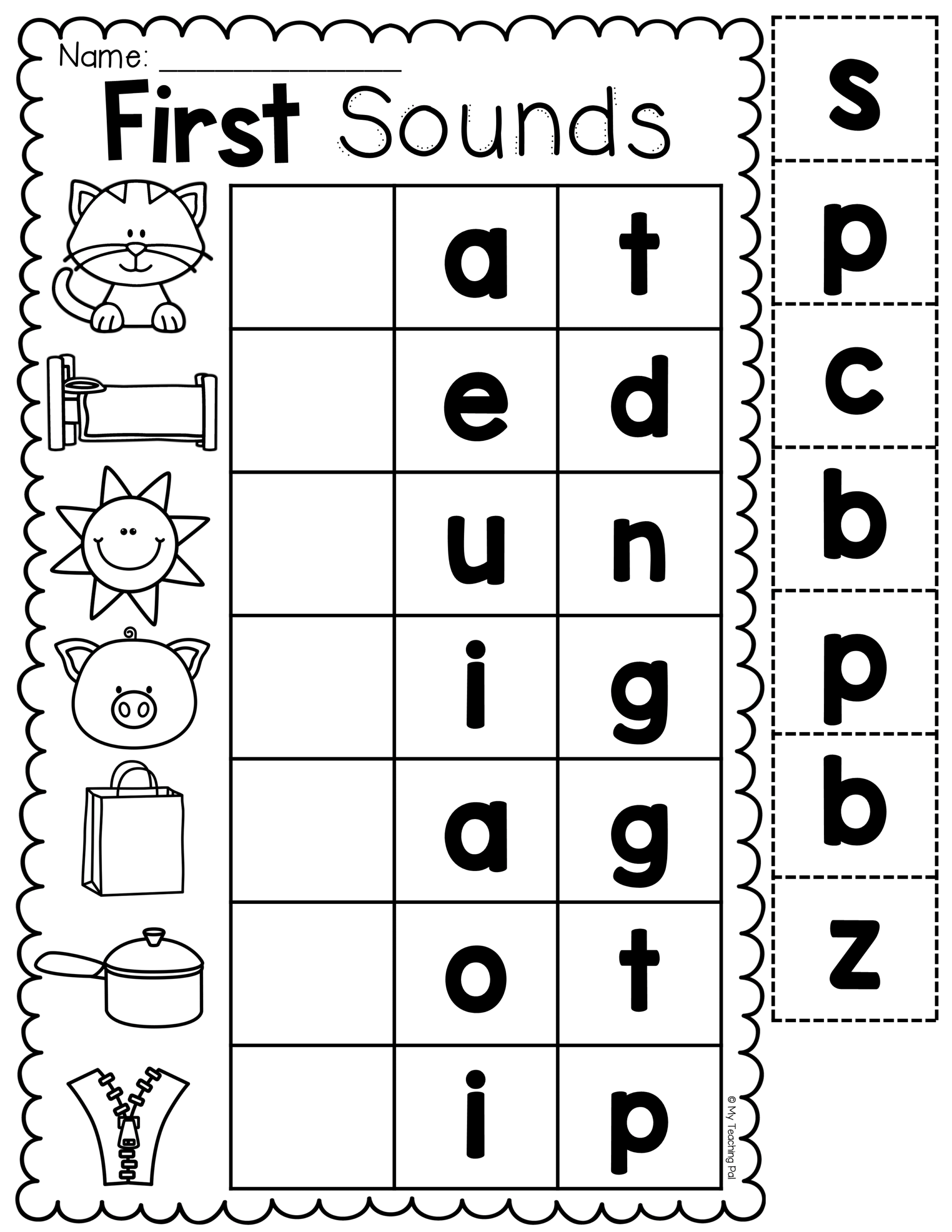
For instance, you might find activities where children have to circle the correct beginning sound of a word or match letters to corresponding images. These exercises help reinforce the connection between sounds and letters, which is foundational for reading.
Additionally, many worksheets incorporate games or interactive elements, such as cut-and-paste activities, where students can create words using letter cards. Engaging children in these hands-on tasks can significantly enhance their phonemic awareness and make learning more memorable.
Incorporating Worksheets Into Daily Learning Routines
Integrating Kindergarten Letters And Sounds Worksheets into daily routines can enhance the learning experience for young children. You can set aside dedicated time each day for phonics practice, making it a fun part of your learning schedule.
Consider creating a “letters of the week” theme. Each week, focus on a specific letter and utilize corresponding worksheets to explore it in depth. This could include tracing, identifying, and even crafting small projects related to the letter. For example, if your focus is on the letter “B,” you might have children create a collage of objects that start with “B,” reinforcing their learning through various mediums.
Another effective way to use these worksheets is through centers. Set up different stations where children can rotate through various activities involving letters and sounds. One station might focus on writing with worksheets, while another could involve a letter-sound matching game. This variety keeps children engaged and allows them to learn at their own pace.
Selecting the Right Format for Your Needs
When it comes to Kindergarten Letters And Sounds Worksheets, the format can significantly affect their usability. Most worksheets are available in PDF format, which is ideal for printing. This format ensures that the layout remains consistent across different devices and printers, avoiding any reformatting issues you might encounter with image files.
In terms of paper choice, consider using cardstock for durability, especially if the worksheets will be used multiple times. This material holds up well under repeated use and can withstand the wear and tear of young learners. If you’re looking to laminate the worksheets for longevity, cardstock is a solid choice as it provides a sturdy base.
Enhancing Worksheets With Additional Resources
While Kindergarten Letters And Sounds Worksheets are excellent standalone tools, there are ways to enhance their effectiveness by pairing them with additional resources. For instance, consider incorporating letter books that align with the letters being studied. These books can provide context and additional examples of words that start with the target letter.
You can also use digital resources or apps that focus on phonics and letter recognition. Many of these tools offer interactive games that complement the worksheets, providing a multi-faceted approach to learning. By combining different types of resources, you can cater to various learning styles and keep children engaged.
Encouraging Parental Involvement at Home
Parents play a crucial role in reinforcing the skills learned through Kindergarten Letters And Sounds Worksheets. Encourage parents to engage with their children by practicing together at home. Providing parents with tips on how to use the worksheets effectively can help them feel more involved in their child’s education.
You might suggest simple activities, such as creating a letter scavenger hunt around the house or neighborhood. For example, if the focus is on the letter “C,” parents can ask their children to find objects that start with that letter, such as “cat” or “cup.” This not only reinforces the letter-sound connection but also makes learning a fun part of everyday life.









