Students in 2nd grade are at a crucial stage in their handwriting development. As they transition from learning to write to writing to learn, many encounter challenges that can frustrate both them and their teachers. Fortunately, effective handwriting practice for 2nd grade can provide the necessary support to build their skills, confidence, and overall writing ability. explore practical strategies and resources that can help teachers facilitate handwriting practice in a way that is engaging and effective.
Understanding Handwriting Development in 2nd Grade
At this grade level, students typically refine their motor skills and develop a more consistent handwriting style. It’s not just about forming letters; it’s also about spacing, alignment, and fluency. Most 2nd graders are expected to write in a cursive or a more legible print style, depending on the curriculum.
When assessing handwriting, you should look for:
- Letter formation: Are the letters formed correctly and consistently?
- Spacing: Is there adequate spacing between letters and words?
- Size: Are the letters appropriately sized for easy readability?
- Alignment: Are the letters aligned on the baseline?
Recognizing these elements will help you identify areas where students may need more practice.
Engaging Printable Resources for Handwriting Practice
Printable resources can be a useful option for teachers seeking to enhance handwriting skills. These resources can be easily downloaded, printed, and used in various settings—be it a classroom, homeschool, or even for extra practice at home. Here are a few types of handwriting practice worksheets that can be highly effective:
1. Traceable Worksheets
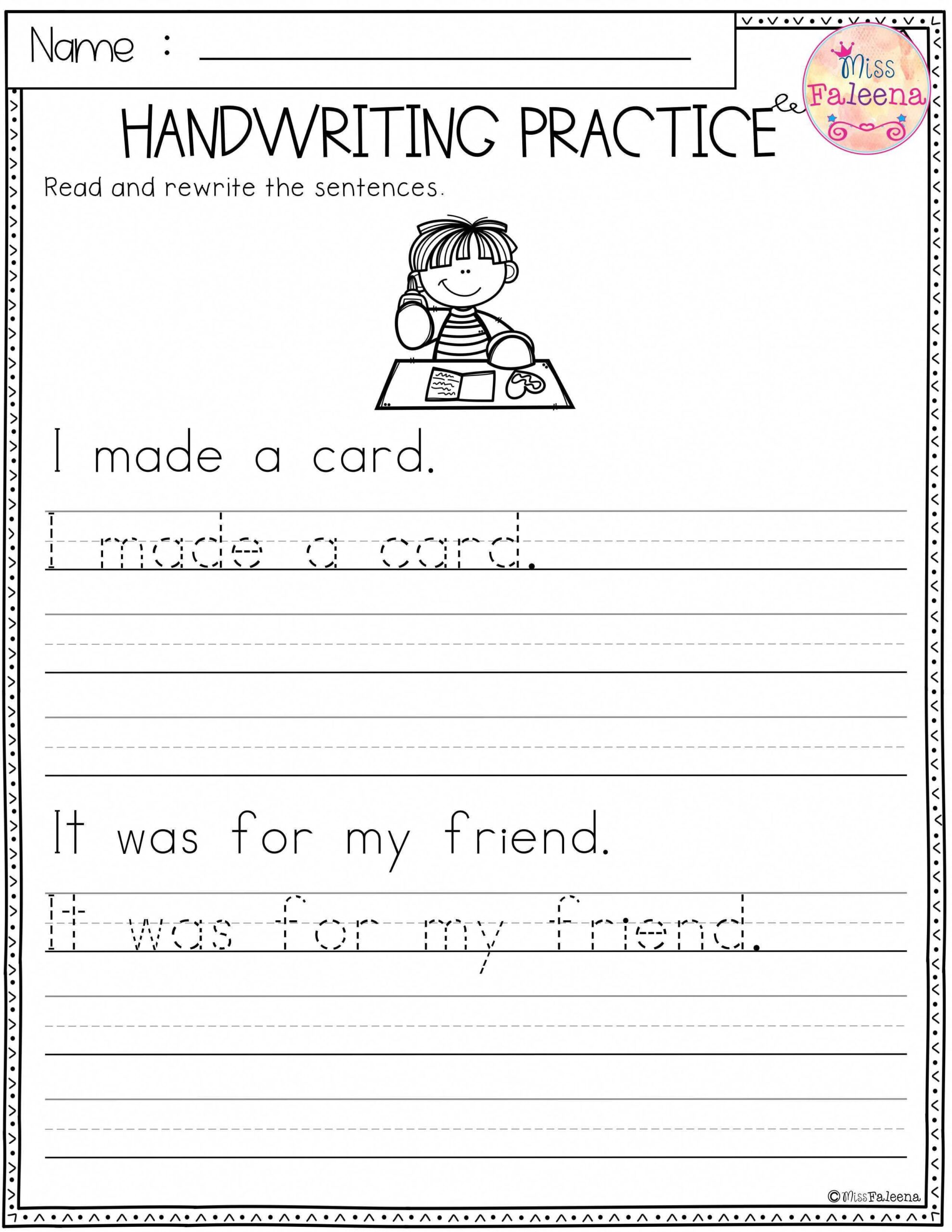
Traceable worksheets are designed to help students learn letter formation through repetition. They can start by tracing letters before moving on to writing them independently. Look for worksheets that include both uppercase and lowercase letters, as well as common sight words. This not only aids in handwriting but also reinforces vocabulary.
2. Themed Writing Prompts
Using themed writing prompts can make practice more enjoyable. For instance, worksheets that incorporate themes like seasons, holidays, or animals can spark students’ creativity. You can encourage them to write sentences or short paragraphs based on these prompts, allowing for both handwriting practice and creative expression.
3. Assessment Checklists
Printable assessment checklists can help track progress over time. These checklists can include criteria such as letter formation, spacing, and overall neatness. Having a checklist can make it easier for you to assess each student’s handwriting and provide targeted feedback.
Incorporating Handwriting Practice Into Daily Routines
Integrating handwriting practice into daily routines can significantly improve students’ writing skills. Here are a few practical ways to do this:
Daily Warm-ups
Start each class with a short handwriting warm-up session. This could involve students practicing letters, words, or even sentences related to the day’s lesson. Keeping these warm-ups brief and engaging helps maintain student interest while reinforcing skills.
Homework Assignments
Assign handwriting homework that is relevant to what students are learning in class. For example, if they are studying a particular book, ask them to write a short summary or their thoughts on it. This reinforces both their handwriting skills and comprehension.
Peer Review
Encourage peer review sessions where students can share their written work with classmates. This not only builds confidence but also allows students to learn from each other. You can guide them on giving constructive feedback focused on handwriting, which can be incredibly beneficial.
Tools and Techniques for Effective Practice
To enhance handwriting practice for 2nd graders, consider using various tools and techniques that can make a noticeable difference:
Writing Utensils
Selecting the right writing utensils can influence the ease of writing. For younger students, thicker pencils or ergonomic grips can help them maintain control. Experimenting with different types of pens and pencils can make writing more enjoyable for your students.
Visual Aids
Using visual aids, like posters of the alphabet or handwriting models, can provide constant reminders for correct letter formation. You can place these aids around the classroom to reinforce what they are learning during handwriting practice.
Technology Integration
Don’t shy away from using technology to enhance handwriting practice. There are numerous apps available that focus on handwriting skills. Some apps allow students to practice writing letters on a tablet, which can be particularly engaging for tech-savvy learners.
Monitoring Progress and Adjusting Techniques
As you implement these strategies, it’s vital to monitor each student’s progress. Regularly reviewing their completed worksheets and assessments will help you gauge what’s working and what isn’t.
Setting Goals
Creating individual goals for each student can help foster a sense of ownership over their learning. For example, if a student struggles with a specific letter, you can set a goal for them to practice that letter multiple times throughout the week.
Providing Feedback
Constructive feedback is critical. When returning worksheets, highlight areas of improvement as well as successes. This balanced approach encourages students to keep practicing and builds their confidence in their writing abilities.









