When it comes to early childhood education, one of the most effective ways to help 4-year-olds develop essential skills is through tracing worksheets. Tracing worksheets for 4 year olds are specifically designed to enhance fine motor skills, improve hand-eye coordination, and introduce basic writing concepts in a fun and engaging manner. These worksheets can be an invaluable resource for both teachers and parents looking to provide structured learning activities at home or in the classroom.
Understanding the Purpose of Tracing Worksheets
Tracing worksheets serve several key educational purposes. Firstly, they encourage children to practice their handwriting skills, making it easier for them to write letters and numbers later on. Tracing also helps children develop their fine motor skills, which are essential for many everyday tasks, from writing to buttoning their clothes.
Additionally, these worksheets introduce children to shapes, letters, and numbers in a playful way, reinforcing their understanding of these concepts. For 4-year-olds, this early exposure can significantly boost their confidence and readiness for more advanced learning in the future.
Types of Tracing Worksheets Available
There is a wide variety of tracing worksheets available for 4-year-olds, each focusing on different skills and concepts. Here are some common types you might consider:
- Alphabet Tracing: Worksheets that allow children to trace both uppercase and lowercase letters. This helps in letter recognition and writing practice.
- Number Tracing: These worksheets focus on tracing numbers, reinforcing their shape and helping children learn how to write them correctly.
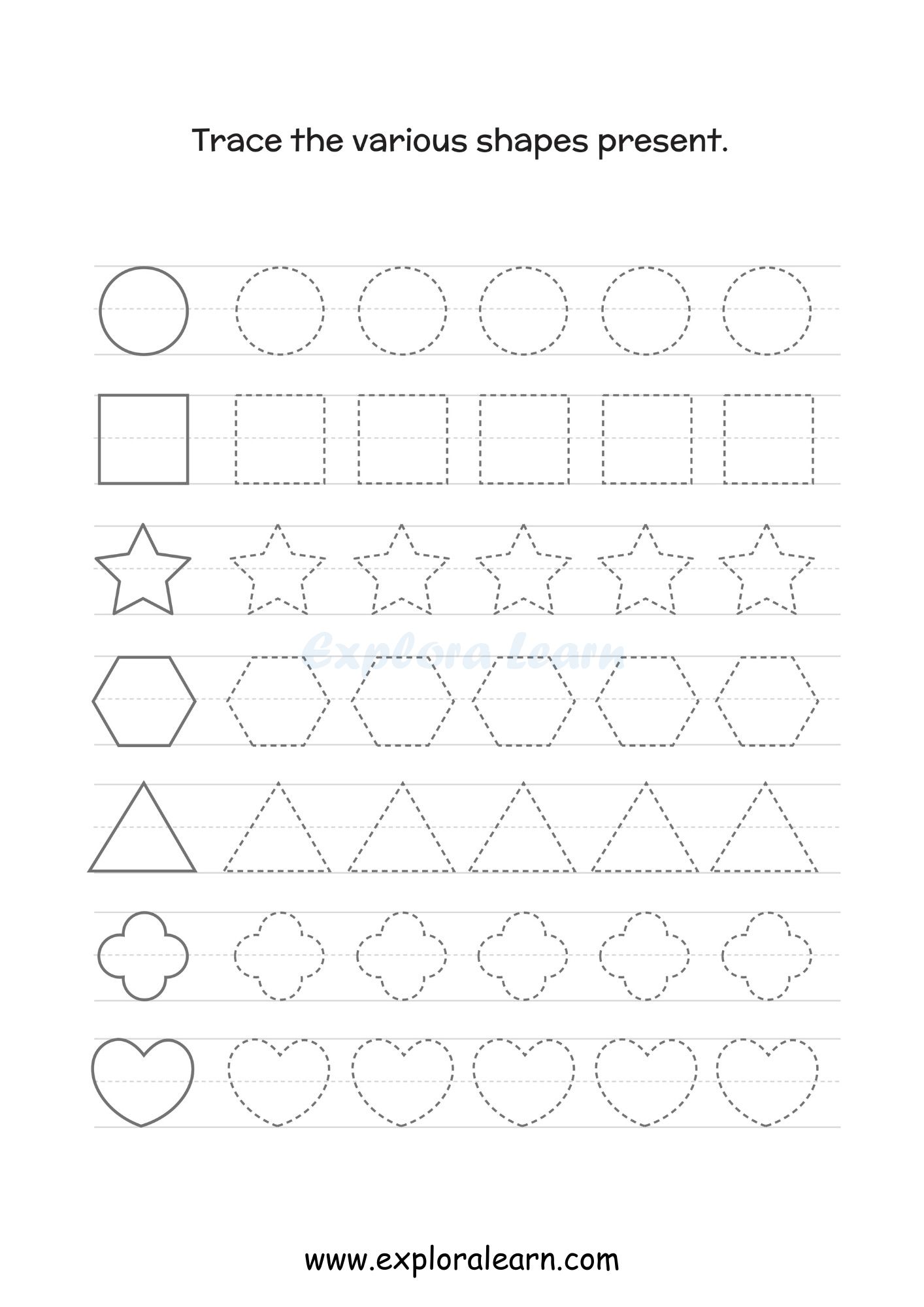
- Shape Tracing: Introduces basic geometric shapes like circles, squares, and triangles. This is essential for developing spatial awareness.
- Word Tracing: Simple words or common sight words can be included for children to trace, aiding in early literacy skills.
- Thematic Tracing: Worksheets featuring themes like animals, nature, or holidays can make the learning process more engaging and fun.
Make sure to choose worksheets that are visually appealing and age-appropriate to keep your little learners engaged.
Where to Find Tracing Worksheets
Finding high-quality tracing worksheets is easier than ever. Numerous websites offer free or low-cost printable resources. Here are a few reliable options:
- Educational Websites: Sites like Teachers Pay Teachers often have a wide selection of tracing worksheets created by experienced educators.
- Printable Resource Blogs: Many educational blogs provide free downloads of tracing worksheets tailored for preschool and kindergarten-aged children.
- Local Libraries: Some libraries have resources for parents and teachers, including printable worksheets that can be borrowed or printed on-site.
When selecting worksheets, look for those that are formatted for easy printing, preferably in PDF format to avoid any reformatting issues.
Tips for Using Tracing Worksheets Effectively
To maximize the benefits of tracing worksheets for 4 year olds, consider these practical tips:
- Use the Right Materials: Provide children with a variety of writing tools. Pencil, crayon, and marker options can make tracing more enjoyable. If you want the worksheets to last longer, consider printing them on cardstock and laminating them for repeated use.
- Create a Routine: Incorporate tracing worksheets into your daily or weekly learning routine. Consistency helps reinforce skills and improves retention.
- Monitor Progress: Keep an eye on your child’s progress. You can gauge their mastery by observing how well they trace letters and numbers. If they struggle with certain shapes or letters, consider focusing more on those areas before moving on.
- Encourage Independence: While it’s essential to provide guidance, encourage children to try tracing independently. This fosters confidence and self-reliance in their learning process.
- Make it Fun: Use praise and positive reinforcement when children complete worksheets. Incorporate games or competitions to keep them motivated. For instance, you could time them to see how quickly they can complete a worksheet while maintaining accuracy.
Assessing Mastery With Tracing Worksheets
Understanding when a child has mastered the concepts taught through tracing worksheets is crucial. Here are some signs to look for:
- Consistency: If your child can consistently trace letters and numbers without assistance, it indicates a solid understanding.
- Speed and Accuracy: As they improve, you should notice an increase in both speed and accuracy. They should be able to complete worksheets more quickly while maintaining proper form.
- Confidence: A child who feels comfortable with tracing will often express excitement about completing worksheets and may even seek them out on their own.
If you notice that a child struggles with certain letters or numbers, it may be beneficial to provide additional practice with those specific areas before moving on to new content.









