When teaching preschoolers, finding engaging activities that promote fine motor skills and creativity can be challenging. Cut and paste printables for preschoolers provide an excellent solution. These resources not only help develop important skills but also make learning fun and interactive. In this article, we’ll guide you through the process of choosing, downloading, and using these printables effectively in your classroom or home.
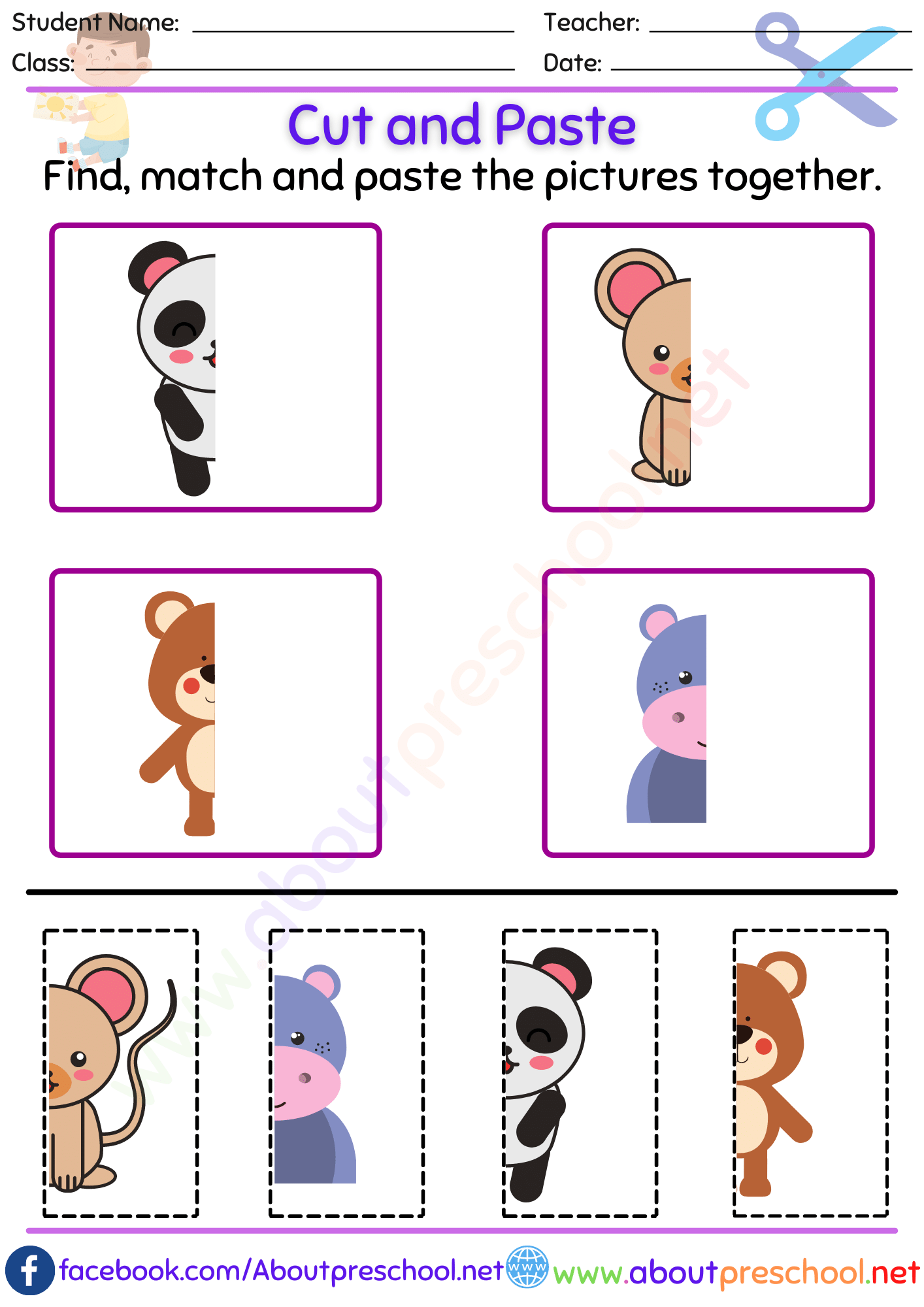
Understanding the Importance of Cut and Paste Activities
Cut and paste activities are essential for preschoolers as they encourage hand-eye coordination and fine motor skills. By using scissors, children learn how to control their movements, which is crucial for writing and other tasks. Additionally, these activities stimulate creativity and imagination, as children can create their own designs and projects.
Engaging in cut and paste activities also fosters cognitive development. When children decide where to place their cut-out pieces, they practice problem-solving and critical thinking. Furthermore, these activities can be adapted to various themes and subjects, making them versatile tools for any educator or parent.
Types of Cut And Paste Printables For Preschoolers
There are numerous types of cut and paste printables available for preschoolers, each serving a unique educational purpose. Here are some common categories:
- Thematic Worksheets: These worksheets often revolve around seasons, holidays, or specific topics like animals or transportation. They usually include images related to the theme that children can cut out and paste onto a designated area.
- Alphabet and Number Activities: Printables focusing on letters and numbers help preschoolers learn their ABCs and 123s through engaging cut and paste tasks. Children might cut out letters and paste them in alphabetical order or match numbers with corresponding quantities.
- Story Sequencing: These printables present a series of images that children can cut out and arrange in the correct order to tell a story. This activity enhances comprehension and narrative skills.
- Art Projects: Some cut and paste printables are designed solely for artistic expression, allowing children to create collages or themed art pieces by combining various cut-out images.
How to Choose the Right Cut And Paste Printables
Selecting the right cut and paste printables for preschoolers involves considering several factors to ensure they meet educational goals and engage children effectively.
- Age Appropriateness: Ensure that the printables are suitable for preschool-aged children. Look for designs that are simple and not overly complex, as younger children may struggle with intricate details.
- Educational Value: Choose printables that align with your teaching objectives. If focusing on language development, opt for alphabet-related activities. For motor skills, look for more hands-on projects requiring cutting and pasting.
- Theme Relevance: Select printables that fit the current curriculum or theme. For instance, if your lesson is about animals, find cut and paste activities that incorporate animal images.
- Visual Appeal: Bright colors and engaging designs will attract preschoolers’ attention. Look for printables that are visually stimulating and encourage creativity.
- Instructions and Clarity: Choose resources with clear instructions for both teachers and students. This helps ensure that children can complete the activities independently or with minimal guidance.
Downloading and Preparing Cut And Paste Printables
Once you’ve selected the appropriate cut and paste printables, the next step is downloading and preparing them for use. Here’s how to do it:
- Download the Printables: After selecting your desired printables, download them in the provided format. PDF files are typically best, as they maintain formatting and ensure everything prints correctly.
- Print Settings: For most preschool activities, standard letter size (8.5 x 11 inches) works well. However, if you’re using larger images, adjust your printer settings accordingly. Ensure your printer is set to print in color for the best visual impact.
- Paper Choice: Use sturdy paper or cardstock for durability, especially if the activities will be reused or handled frequently. If you plan to laminate the printables for longer use, choose a heavier weight paper.
- Cutting Preparation: Before distributing the printables to your students, consider pre-cutting some pieces to help those who might struggle with scissors. Alternatively, demonstrate proper cutting techniques to guide them.
- Organizing Materials: Gather all necessary supplies, such as scissors, glue sticks, and colored pencils. Consider setting up a designated workspace with all materials readily available to streamline the process.
Setting Up a Cut And Paste Activity
Effective setup can make a significant difference in how preschoolers engage with cut and paste printables. Here’s a step-by-step approach:
- Introduce the Activity: Begin by explaining the cut and paste task to the children. Show them the printables and discuss what they will be doing. This creates excitement and sets clear expectations.
- Demonstrate: Before handing out materials, demonstrate how to cut and paste. Show the preschoolers how to hold scissors safely and how to apply glue properly. This visual demonstration helps them understand the task better.
- Provide Guidance: As children begin the activity, circulate around the room to offer assistance. Encourage them to ask questions if they’re unsure about any part of the process. Offer gentle reminders about safety when using scissors.
- Encourage Creativity: Allow children the freedom to express themselves. If they want to arrange their cut-out pieces differently or add extra decorations, let them explore their creativity.
- Share and Reflect: Once the activities are complete, give children the opportunity to share their creations with the class. This promotes confidence and allows them to learn from each other.
Extending the Learning Experience
Cut and paste printables can be integrated into a broader learning experience. Here are some ideas to extend the activity:
- Follow-Up Discussions: After completing the cut and paste activity, hold a discussion about the theme. This could include asking questions related to the images they cut out or the story they sequenced.
- Incorporate Movement: Create a game where children move around the classroom to find items related to the theme of their printables. This combines learning with physical activity.
- Story Creation: Encourage children to create a story using their cut and paste projects. They can dictate their story to you or write it down, further enhancing their literacy skills.
- Art Display: Designate a space in your classroom to display the completed projects. This not only showcases their work but also fosters pride in their efforts.
Using cut and paste printables for preschoolers provides a fun and educational way to enhance learning. By carefully selecting, preparing, and executing these activities, you can create a rich learning environment that fosters creativity, motor skills, and cognitive development. Consider starting with a themed printable that aligns with your current lesson plan, and watch as your students engage and learn through play.









