Every teacher knows that engaging young learners can be a challenge, especially when dealing with the energetic and curious minds of two-year-olds. Finding effective resources to support their early learning journey often leads to frustration. This is where Beginner Worksheets For 2 Year Olds can make a significant difference. These worksheets are designed to capture the attention of young children while helping them develop essential skills in a fun and interactive way.
Understanding the Importance of Worksheets for Early Learning
Using worksheets in early education serves multiple purposes. They provide a structured way for children to practice skills, reinforce concepts, and track progress. For two-year-olds, these worksheets can focus on fundamental skills such as:
- Fine motor skills: Activities like tracing or coloring help strengthen hand-eye coordination.
- Cognitive development: Simple puzzles or matching games stimulate critical thinking.
- Language skills: Worksheets that involve pictures and simple words enhance vocabulary and comprehension.
By incorporating Beginner Worksheets For 2 Year Olds into your teaching strategy, you can create a well-rounded learning experience that addresses various aspects of a child’s development.
Types of Beginner Worksheets
There are several types of beginner worksheets tailored for two-year-olds that you can utilize in your classroom or at home. Each type focuses on different skills and can be adapted based on the child’s needs.
Coloring Pages
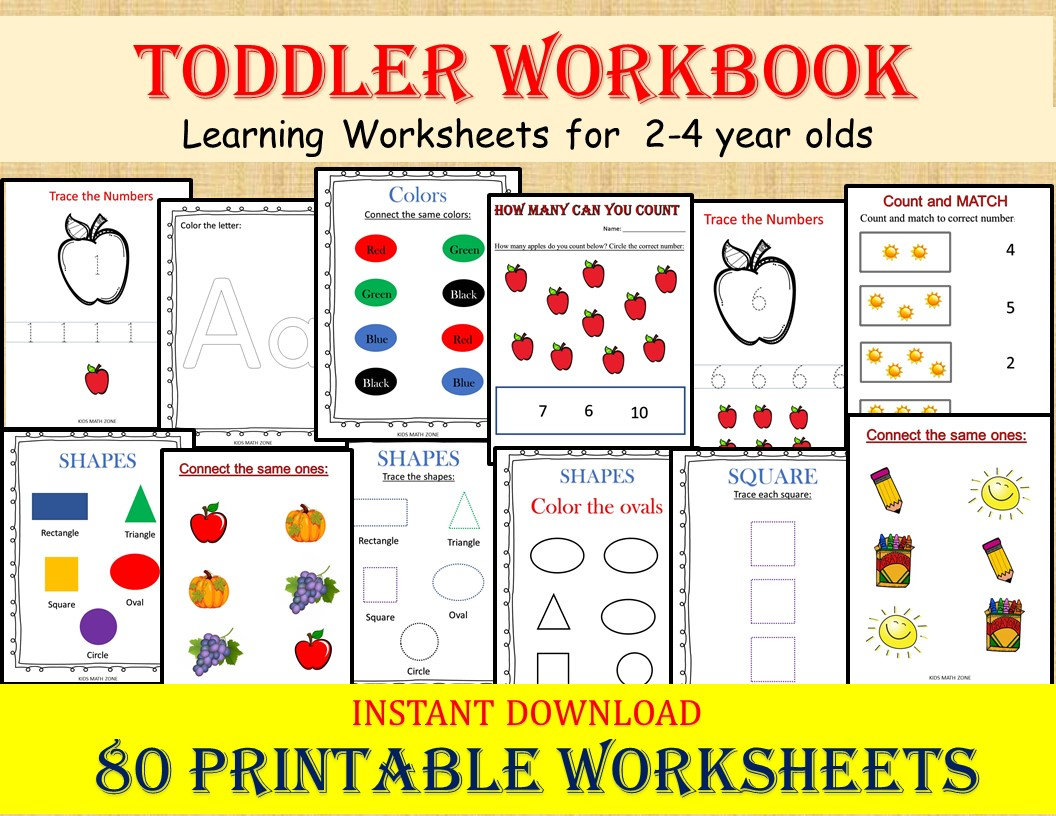
Coloring pages are a fantastic way to introduce creativity while also developing fine motor skills. Look for worksheets featuring simple shapes, animals, or familiar objects. These allow children to experiment with colors and improve their grip on crayons or markers.
Tracing Worksheets
Tracing worksheets are perfect for helping young children learn how to write. These worksheets typically feature dashed lines for letters, numbers, or shapes that children can trace over. This activity not only helps with writing skills but also promotes hand strength and control.
Matching Games
Matching games can be a delightful way to enhance cognitive skills. Worksheets that include pictures of animals or objects paired with their names encourage children to make connections between visuals and words. This type of activity boosts memory and recognition skills.
Simple Puzzles
Puzzles designed for two-year-olds often involve basic shapes and colors. These worksheets can help children develop problem-solving skills as they learn to fit pieces together or identify missing parts.
Number and Letter Recognition
Worksheets focusing on number and letter recognition are essential at this stage. They can include activities such as counting objects or identifying letters within a fun context, like a story or a picture. Engaging children in this manner lays a solid foundation for future literacy and numeracy skills.
How to Effectively Use Worksheets
Incorporating worksheets into your teaching routine doesn’t have to be a daunting task. Here are some practical tips on how to effectively use Beginner Worksheets For 2 Year Olds:
Create a Routine
Establishing a routine helps children know what to expect. Set aside a specific time each day for worksheet activities. Consistency can enhance their learning experience and make it easier for you to track their progress.
Keep it Interactive
While worksheets are great tools, they shouldn’t be the only method of teaching. Combine worksheet activities with hands-on learning. For example, after completing a coloring page, you might encourage children to paint a similar picture or create a 3D model using playdough.
Encourage Independence
Allowing children to work on worksheets independently fosters confidence and self-esteem. Provide guidance as needed but encourage them to try solving problems on their own. You can celebrate their efforts with positive reinforcement.
Track Progress
Using worksheets provides an excellent opportunity to track a child’s progress over time. Keep a portfolio of completed worksheets to review their development. This can also help identify areas where they may need more support or practice.
Where to Find Printable Beginner Worksheets
Finding high-quality printable resources can be a breeze if you know where to look. Many websites offer free or low-cost Beginner Worksheets For 2 Year Olds that you can download and print.
- Educational websites: Look for sites dedicated to early childhood education. They often have a wide range of worksheets available.
- Printables from teachers: Many teachers share their resources online. Platforms like Teachers Pay Teachers feature a variety of worksheets created by experienced educators.
- Social media groups: Join Facebook or Pinterest groups focused on early childhood education. Members often share links to valuable resources.
Tips for Printing Worksheets
Once you’ve found the perfect worksheets, consider these printing tips to ensure the best results:
- Use cardstock: If you plan to laminate the worksheets for durability, cardstock is a good choice. It holds up better than regular printer paper.
- Adjust printer settings: Ensure your printer settings are adjusted for the paper type you’re using. For instance, if you’re using a photo-quality paper, select that option in your printer settings for better clarity.
- Portrait or landscape: Most worksheets are designed in portrait orientation, which typically works better for standard home printers. However, check the layout before printing to avoid any surprises.
Engaging Children With Worksheets
To maximize engagement, consider how you present the worksheets. Here are a few ideas:
- Themed activities: Tie worksheets to a theme, such as animals or seasons. This makes the activities more relatable and exciting for children.
- Group activities: Use worksheets in a group setting where children can work together. This encourages collaboration and social skills.
- Incorporate technology: If you have access to tablets or computers, some worksheets can be adapted for digital use. This can add an element of fun and variety.









