Matching uppercase to lowercase letters is a fundamental skill in early literacy development. As educators, we know how crucial it is to provide students with engaging and interactive ways to grasp this concept effectively. Printable resources designed for this purpose can significantly enhance student learning and retention. This guide will explore various activities, tips, and resources that can help you facilitate the matching of uppercase to lowercase letters in your classroom.
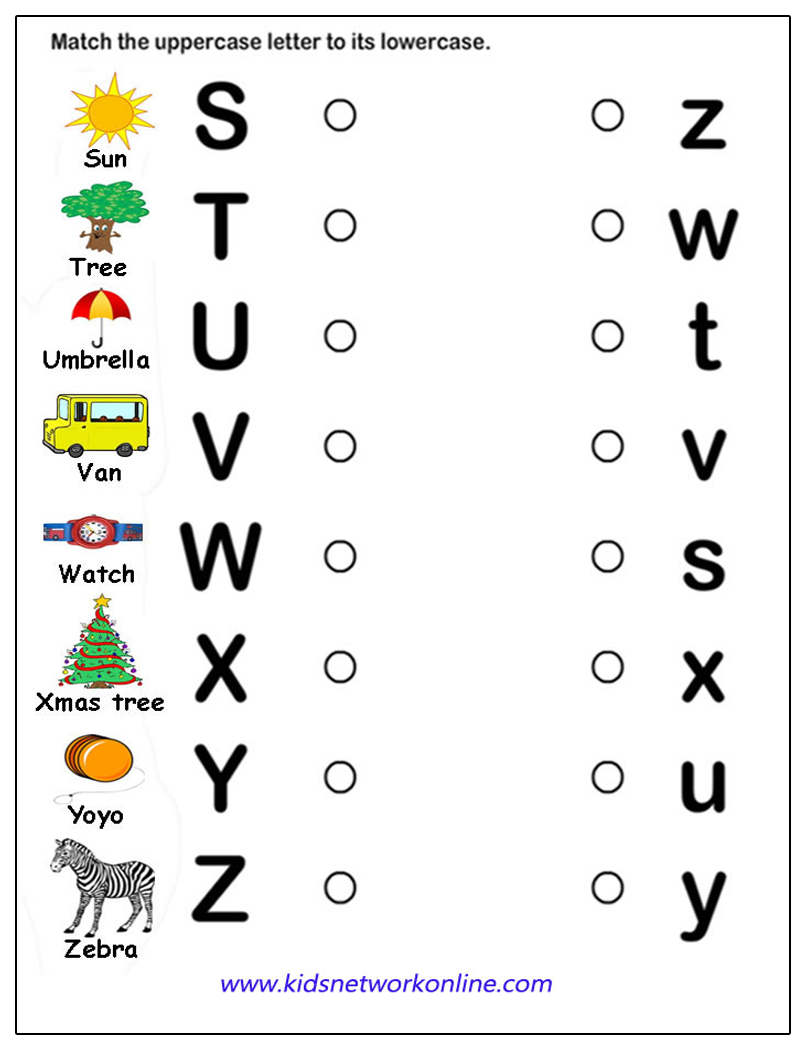
Understanding the Importance of Letter Matching
Teaching young learners to match uppercase to lowercase letters helps them recognize the relationship between the two forms of letters. This skill is vital not only for reading and writing but also for developing phonemic awareness. When children understand that ‘A’ corresponds to ‘a’, they build a foundation for more complex literacy skills.
Who Benefits From Letter Matching Activities?
Typically, students in preschool through early elementary grades are the primary beneficiaries of these activities. However, children who are struggling with literacy at any age can also benefit from targeted practice. Engaging activities can cater to diverse learning styles, making it easier for all students to connect with the material.
Printable Matching Worksheets
One of the most effective tools for teaching letter matching is the use of printable worksheets. These worksheets can include various activities, such as:
- Direct Matching: Students draw lines connecting uppercase letters to their lowercase counterparts.
- Fill-in-the-Blank: Students fill in missing lowercase letters next to uppercase letters.
- Coloring Activities: Students color in uppercase letters and then find and color the matching lowercase letters.
Design Considerations for Worksheets
When creating or selecting worksheets, consider the following:
- Clear Layout: Ensure that the letters are large and easy to read. A clean layout helps prevent confusion.
- Engaging Graphics: Incorporate fun images or themes that relate to the letters. For example, use animals or objects that start with the letters being matched.
- Variety: Use different formats to keep students engaged. Mixing direct matching with coloring or puzzles can make practice more enjoyable.
Interactive Activities for Letter Matching
Incorporating interactive activities can enhance the learning experience and keep students engaged. Here are a few ideas:
Letter Matching Games
- Memory Match: Create cards with uppercase and lowercase letters. Students take turns flipping two cards at a time to find matching pairs.
- Bingo: Create bingo cards with uppercase letters. Call out the lowercase letters, and students must find the corresponding uppercase letter on their cards.
Hands-On Activities
- Letter Blocks: Use blocks or magnetic letters for students to physically match uppercase and lowercase letters. This tactile experience can reinforce their learning.
- Crafts: Have students create art projects that involve matching letters. For instance, they can cut out letters from magazines and glue them onto a board, matching uppercase with lowercase.
Using Technology to Support Learning
Today, incorporating technology into your teaching can provide additional support for matching uppercase to lowercase letters. There are several educational apps and online resources that offer interactive games and activities.
Recommended Online Resources
- ABCmouse: This platform provides a variety of interactive games focused on letter recognition and matching.
- Starfall: Known for its phonics-based approach, Starfall offers engaging activities that help children learn to match letters.
Benefits of Technology Integration
Using technology in the classroom can help cater to different learning styles. Visual learners may benefit from animations and graphics, while auditory learners can engage with sounds and music tied to the letters. Additionally, technology can provide immediate feedback, helping students understand their mistakes and learn from them.
Adapting Resources for Diverse Learners
Every classroom is made up of diverse learners with varying needs. Adapting your resources to meet these needs is essential for effective teaching.
Strategies for Differentiation
- Provide Scaffolding: Offer additional support for struggling students by providing examples or one-on-one assistance.
- Adjust Difficulty Levels: For advanced learners, consider giving more challenging activities that involve more letters or even simple words.
- Incorporate Multi-Sensory Approaches: Use activities that involve touch, sight, and sound to help all students engage with the material.
Assessing Student Progress
Regular assessment is critical to understanding how well your students are grasping the concept of matching uppercase to lowercase letters. Here are a few methods to consider:
Observational Assessments
- Monitor Participation: Take note of how engaged students are during activities. Are they eager to participate? Do they show signs of confusion?
- Conduct Informal Assessments: Use quick quizzes or informal assessments to gauge understanding. For example, ask students to verbally match letters during a group activity.
Formal Assessments
- Worksheets and Tests: At the end of a unit, consider giving a more formal assessment using worksheets that require students to demonstrate their understanding of letter matching.
- Portfolio Assessments: Keep a record of students’ work over time to track their progress. This can include completed worksheets, notes from activities, and any other relevant work.
Next Steps: Download and Use Resources
Now that you have a clearer understanding of the importance of matching uppercase to lowercase letters, consider downloading printable resources tailored to this skill. Look for worksheets, games, and interactive activities that you can easily integrate into your lesson plans. These materials can enhance your teaching and provide your students with the practice they need to master this essential literacy skill. By implementing these strategies and resources, you’ll create a dynamic learning environment that fosters growth and understanding in early literacy.









