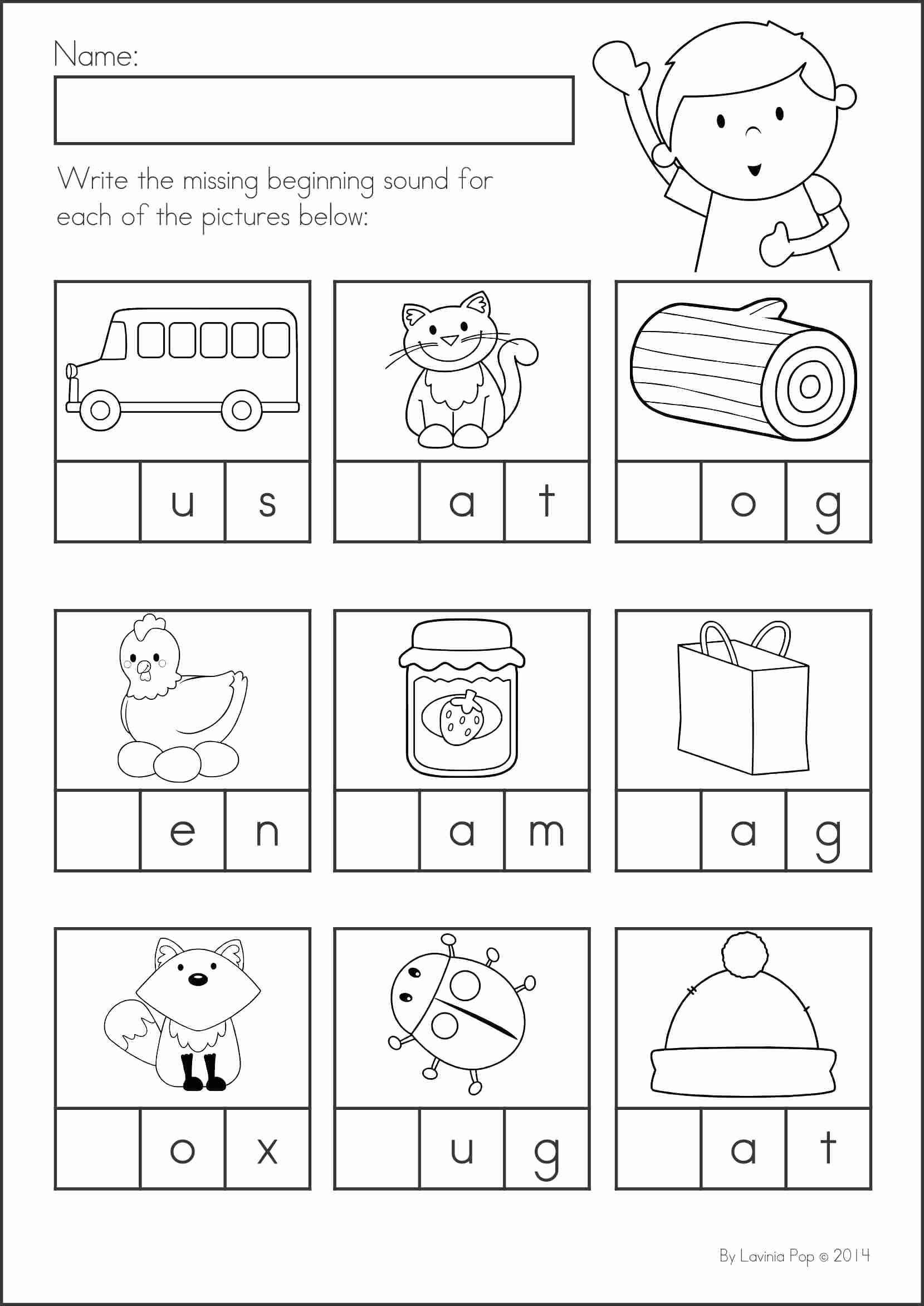
Beginning Sound Letter A Worksheets are an essential resource for teachers and parents aiming to enhance early literacy skills. These worksheets focus on the phonetic sounds associated with the letter ‘A’, providing engaging activities that help children recognize and practice beginning sounds. By incorporating these worksheets into your teaching routine, you can effectively track student progress while making learning fun.
Understanding Beginning Sounds
Beginning sounds are crucial for phonemic awareness, which is the foundation of reading. When children learn to identify the first sounds in words, they develop the skills necessary for decoding and spelling. Worksheets centered around the letter ‘A’ can include a variety of activities such as matching, coloring, and writing exercises. These activities not only make learning enjoyable but also reinforce the connection between letters and sounds.
Types of Activities in Beginning Sound Letter A Worksheets
Beginning Sound Letter A Worksheets typically include a mix of interactive and written activities. Here are some common types you might encounter:
- Matching Games: Children match pictures of objects that start with ‘A’ to the corresponding letter. This reinforces sound recognition.
- Coloring Pages: These worksheets feature images of items that begin with ‘A’, allowing kids to color while learning. It’s a great way to combine art with education.
- Writing Practice: Worksheets often have sections where children can practice writing the letter ‘A’ and words that start with the letter. This helps with fine motor skills and letter formation.
- Sound Sorting: Some worksheets may include sorting activities where children categorize words based on their beginning sounds.
These varied activities cater to different learning styles, ensuring that each child can engage with the material in a way that resonates with them.
Downloading and Printing Your Worksheets
When you find Beginning Sound Letter A Worksheets online, they are typically available in PDF format. This format is ideal for printing, as it maintains the layout and design across different devices. Here are some tips for downloading and printing:
- Choose the Right Format: PDFs are preferred because they are easy to print and do not lose formatting.
- Printer Settings: Set your printer to “portrait” orientation for most worksheets. Ensure that the paper size is set to standard 8.5” x 11” to match typical printer settings.
- Paper Choice: Use bright cardstock if you want the worksheets to last longer, especially for activities involving coloring. Regular printer paper is fine for simple writing exercises.
- Test Print: If you’re unsure about how the colors will look, do a test print on regular paper first.
By following these steps, you can ensure that your worksheets look great and are ready for classroom use.
Integrating Worksheets Into Your Curriculum
To maximize the effectiveness of Beginning Sound Letter A Worksheets, consider how they fit into your broader teaching strategy. Here are a few practical tips:
- Daily Practice: Incorporate these worksheets into a daily routine. For instance, start each day with a quick 10-minute session focused on the letter ‘A’.
- Group Activities: Use worksheets as part of group activities. Children can work together to complete matching or sorting tasks, fostering collaboration.
- Assessment: Use completed worksheets to assess understanding. Look for patterns in mistakes to tailor future lessons to address specific needs.
- Combining Resources: Pair these worksheets with other resources, like phonics games or storybooks that emphasize the letter ‘A’, to create a comprehensive learning experience.
Integrating these worksheets into your curriculum not only enhances phonics skills but also allows for a variety of teaching methods that can accommodate different learning styles.
Tracking Progress With Worksheets
Tracking progress is vital in any educational setting. Beginning Sound Letter A Worksheets can serve as a valuable tool for assessing students’ understanding of phonemic awareness. Here’s how you can effectively monitor progress:
- Collect and Review: Regularly collect worksheets and review them to see how well each student is grasping the material. Check for accuracy in identifying beginning sounds and letter formation.
- Set Goals: Establish specific goals for each student based on their performance. For example, if a child struggles with writing the letter ‘A’, you can focus on additional practice in that area.
- Feedback: Provide constructive feedback on the worksheets. Highlight what they did well and what they can improve, fostering a growth mindset.
- Parent Involvement: Share completed worksheets with parents to keep them informed of their child’s progress. Encourage them to engage with their child at home using similar activities.
By actively tracking progress, you can ensure that each child is developing their phonemic awareness effectively.
Considerations for Effective Use
While Beginning Sound Letter A Worksheets are a fantastic resource, there are a few considerations to keep in mind:
- Variety is Key: Don’t rely solely on worksheets. Incorporate hands-on activities, songs, and games to keep children engaged.
- Pacing: Adjust the pace according to the students’ needs. Some may grasp the concept quickly, while others might need more time.
- Encourage Exploration: Allow children to explore words beyond the worksheets. Encourage them to find items in the classroom or at home that start with ‘A’.
- Monitor Engagement: Pay attention to how engaged students are with the worksheets. If they seem bored or frustrated, it may be time to switch up the activities.
By being mindful of these factors, you can create a dynamic learning environment that encourages children to explore and master beginning sounds.
Using Beginning Sound Letter A Worksheets effectively can significantly support early literacy development. With thoughtful integration into your teaching routine, these resources can make learning both enjoyable and impactful.









