Writing is a fundamental skill that second graders begin to master as they transition from learning to read to reading to learn. Having the right tools, like tailored writing paper for 2nd graders, can significantly enhance this process. These specially designed papers not only support handwriting development but also encourage creativity and expression. In this article, we’ll explore the various features of writing paper for 2nd graders, how to effectively use these resources, and how they can fit into your teaching routine.
Features of Writing Paper for 2nd Graders
Writing paper for 2nd graders typically includes several key features that cater specifically to their developmental needs. Understanding these features can help you choose the best paper for your classroom or home use.
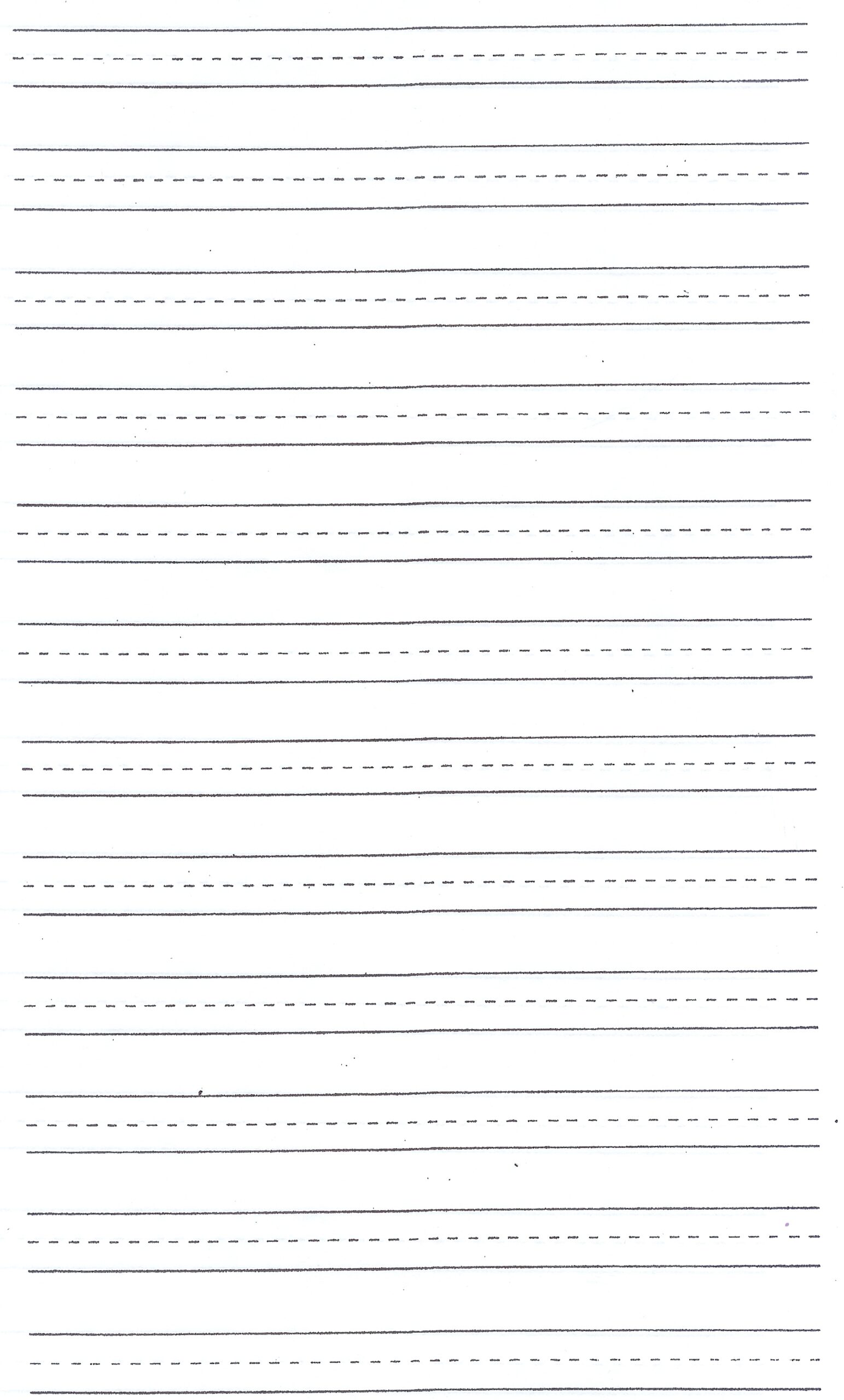
- Handwriting Lines: Most writing paper for this age group will include distinct lines that guide students in forming letters correctly. Generally, you’ll find three lines: a top line for uppercase letters, a middle dotted line for lowercase letters, and a bottom line where letters rest. This structure supports proper sizing and spacing.
- Margin Space: The inclusion of margins on the left side of the paper helps students organize their thoughts and maintain a neat appearance. This feature also prevents writing from spilling over the edge, which can be distracting.
- Illustration Areas: Many writing templates provide a space for students to draw. This visual component encourages creativity and can serve as a springboard for their writing. It’s especially beneficial for students who may struggle with writing but excel in drawing.
- Variety of Formats: You’ll find various formats available, including landscape and portrait orientations. Portrait layout tends to work better for most home printers, allowing for a more traditional writing experience.
How to Use Writing Paper Effectively
Having the right writing paper is just the beginning. Here are some practical tips on how to integrate writing paper for 2nd graders into your teaching routine effectively.
Encourage Daily Writing Practice
Incorporating daily writing practice can greatly improve students’ writing fluency. Set aside a specific time each day for students to utilize the writing paper. You might assign different topics or prompts to inspire creativity. For example, “What is your favorite animal?” or “Describe your best day ever.” These prompts can help students express themselves while practicing their handwriting.
Use for Different Subjects
Writing paper isn’t just for language arts. You can integrate it into other subjects as well. For instance, during a science lesson, students can write about an experiment they conducted or describe a plant they studied. This cross-curricular approach reinforces writing skills in various contexts.
Incorporate Peer Review
Peer review can be a powerful tool for improving writing skills. Pair students together and have them exchange their writing papers. Encourage them to provide constructive feedback on each other’s work. This not only helps improve their writing but also fosters collaboration and communication skills.
Create a Writing Portfolio
Consider having students maintain a writing portfolio that includes their writing papers over time. This practice allows them to see their progress and growth as writers. It’s also a great way for parents to engage with their children’s learning journey.
Types of Writing Paper Available
When selecting writing paper for 2nd graders, you’ll find various options to suit different needs and preferences. Here are some common types you might consider:
- Primary Writing Paper: This type is specifically designed for young writers, featuring larger lines and ample space for illustrations. It’s perfect for practicing both handwriting and creativity.
- Story Paper: Story paper combines lined writing areas with a larger illustration space. This format is great for storytelling, allowing students to draw scenes from their narratives.
- Graphic Organizers: Some writing papers come in the form of graphic organizers, which help students plan their writing. These can include story maps or outlines that guide them through the writing process.
- Printable Templates: Many websites offer free or low-cost printable writing paper templates. These can be customized for various writing assignments, making them flexible and easy to use.
Where to Find Writing Paper for 2nd Graders
As a teacher or parent, finding the right resources is crucial. Fortunately, there are many places to access writing paper for 2nd graders.
- Printable Resource Websites: Websites specializing in educational resources often have a wide range of printable writing papers. These sites typically offer various designs and formats, so you can choose what works best for your students.
- Educational Supply Stores: Local educational supply stores often carry writing paper designed specifically for younger students. This can be a great option if you prefer to browse and choose in person.
- Teacher Resource Sharing Platforms: Many educators share their resources online through platforms like Teachers Pay Teachers. You can find unique, teacher-created writing paper options that might offer different designs or features.
Tips for Printing and Using Writing Paper
To ensure the best experience when using writing paper for 2nd graders, consider these practical tips:
- Print Settings: Ensure your printer settings match the paper size you’re using. Most writing paper will be formatted for standard letter size (8.5 x 11 inches). Checking your settings can prevent misprints or cut-off margins.
- Paper Quality: Using a heavier paper, such as cardstock, can improve durability, especially if the students will be using markers or watercolors for illustrations. This type of paper holds up well if you plan to laminate the sheets for repeated use.
- PDF Format: Opting for a PDF version of the writing paper can help avoid reformatting issues that image files sometimes have. PDF files maintain their layout across different devices and printers.









