Counting is a fundamental skill that lays the groundwork for future mathematical understanding in young learners. If you’re looking for effective resources to help your kindergarten students learn to count from 1 to 20, you’ve come to the right place. Counting Worksheets For Kindergarten 1 20 are specifically designed to make learning fun and engaging while reinforcing essential counting skills. In this guide, we’ll explore different types of worksheets, effective teaching strategies, and practical tips for using these resources in the classroom.
Types of Counting Worksheets
When it comes to Counting Worksheets For Kindergarten 1 20, various types cater to different learning styles and needs. Here are some popular options:
Number Tracing Worksheets
These worksheets allow students to practice writing numbers while simultaneously learning how to associate them with their corresponding quantities. Each worksheet typically features dotted numbers that children can trace over. This not only helps with number recognition but also improves fine motor skills.
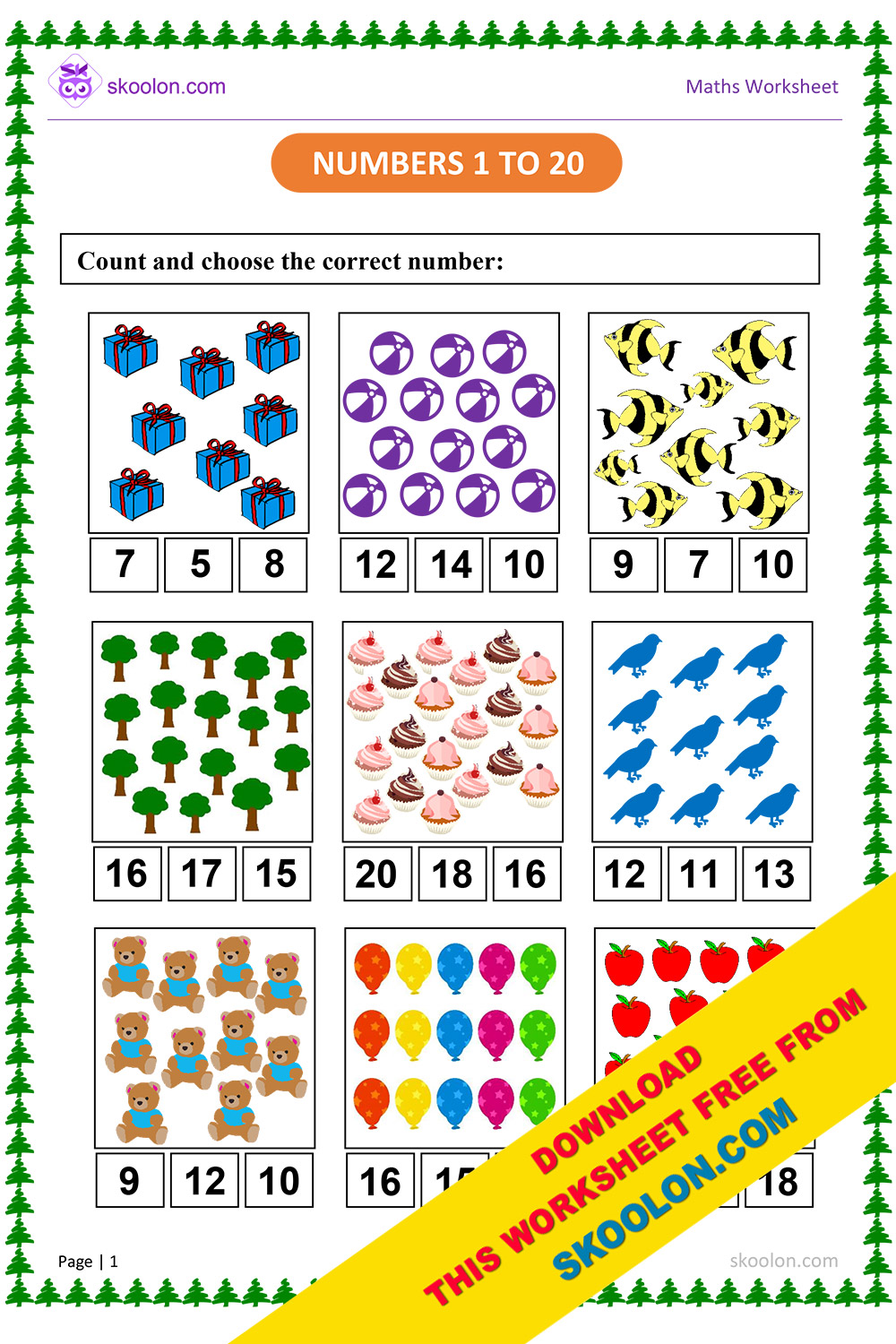
Counting Objects Worksheets
Worksheets that involve counting objects provide a visual representation of numbers. Students might see images of apples, stars, or other objects, and they’ll be asked to count how many are present. This approach helps reinforce the concept of one-to-one correspondence.
Fill-in-the-Blank Worksheets
These worksheets present a series of numbers with some missing, prompting students to fill in the blanks. This type of exercise enhances number recognition and understanding of numerical order. You might find a worksheet asking students to fill in the missing numbers between 1 and 20, which can be a fun challenge.
Coloring Worksheets
Combining art with counting, coloring worksheets often require students to color a specific number of items. For example, a worksheet might instruct them to color 5 balloons. This not only makes counting enjoyable but also allows for creativity in the classroom.
Bingo Games
Bingo worksheets can make counting practice highly interactive. Create bingo cards with numbers from 1 to 20, calling out numbers for students to mark on their cards. This game format encourages participation and can be an effective way to reinforce number recognition.
How to Use Counting Worksheets Effectively
To maximize the effectiveness of Counting Worksheets For Kindergarten 1 20, consider the following strategies:
Integrate With Daily Activities
Incorporate counting worksheets into your daily routines. For instance, you can use a counting worksheet after a counting song or game. This reinforces the lesson and ensures students understand how to apply what they’ve learned.
Differentiate Instruction
Not every student learns at the same pace. Offer a variety of worksheets to cater to different skill levels. More advanced students might enjoy fill-in-the-blank worksheets, while others may benefit from tracing or coloring exercises.
Encourage Group Work
Group activities can enhance learning. Allow students to work in pairs or small groups on counting worksheets. This social interaction can lead to collaborative learning, where students help each other understand concepts better.
Utilize Technology
There are many digital versions of counting worksheets available. If your classroom has access to tablets or computers, consider using these resources for interactive learning. Digital worksheets can provide instant feedback, which is beneficial for student learning.
Provide Immediate Feedback
As students complete their worksheets, offer immediate feedback. This can be in the form of verbal praise or constructive criticism. Acknowledge their efforts and correct any misunderstandings on the spot to ensure they grasp the concepts.
Downloading and Printing Counting Worksheets
Accessing and using Counting Worksheets For Kindergarten 1 20 is straightforward. Here are some practical tips for downloading and printing:
Choose the Right Format
Most worksheets are available in PDF format, which is ideal for printing. PDFs maintain their formatting, ensuring that what you print looks exactly like what you see on your screen. Look for resources that specifically mention PDF availability to avoid any formatting issues.
Paper Selection
Opt for a heavier paper stock, such as cardstock, if you plan to laminate the worksheets. This makes them more durable for repeated use. If you’re printing for one-time use, regular printer paper will suffice.
Adjust Print Settings
When printing, you may want to adjust your printer settings. Portrait layout typically works better for worksheets, and selecting “Fit to Page” can ensure that your worksheets print correctly without being cut off.
Organize Your Resources
After downloading, keep your worksheets organized. Create a folder on your computer or in a binder for easy access. Label your resources clearly, so you can quickly find specific worksheets when you need them.
Engaging Activities to Supplement Worksheets
While counting worksheets are effective, consider incorporating additional activities to reinforce counting skills:
Counting Songs
Songs that incorporate counting can be an entertaining way for students to learn. Choose tunes that include numbers and encourage children to sing along while counting.
Interactive Games
Utilize games that involve counting, such as hopscotch or board games with numbered spaces. These activities provide a hands-on approach that makes learning enjoyable.
Real-Life Counting
Encourage students to count everyday items in the classroom or at home. This could include counting books on a shelf or crayons in a box, linking counting to real-world experiences.
Visual Aids
Using visual aids, such as number charts or counters, can support students in their counting journey. These tools can help provide context and make abstract numbers more tangible.









