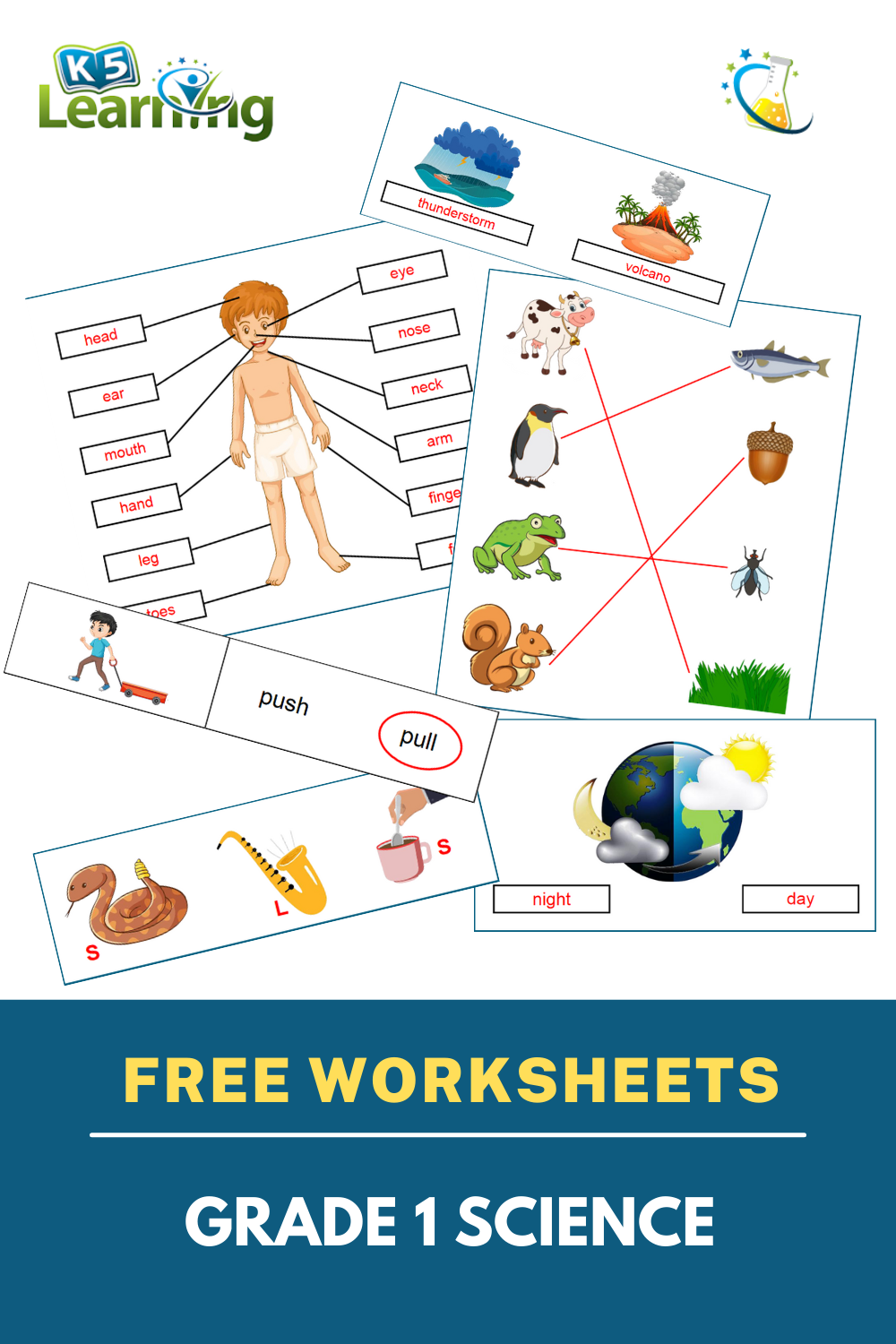
Science is a fascinating subject, especially for first graders who are just beginning to explore the world around them. Science Worksheets For First Graders can be an invaluable tool in your teaching toolkit. These worksheets not only make learning fun but also help in reinforcing essential science concepts through engaging activities. This guide will walk you through how to effectively choose, download, print, and utilize these worksheets in your classroom or at home.
Choosing the Right Science Worksheets
When selecting Science Worksheets For First Graders, it’s important to consider the learning objectives you want to meet. Worksheets can cover a variety of topics such as:
- Basic biology (plants, animals, habitats)
- Earth science (weather, seasons, rocks)
- Physical science (matter, energy, simple machines)
- Life cycles and ecosystems
Make sure the worksheets align with your curriculum standards and the specific interests of your students. For instance, if your class has shown a keen interest in animals, opt for worksheets that focus on animal habitats or adaptations.
Downloading Your Worksheets
Once you have identified the worksheets that suit your needs, downloading them is the next step. Most printable resource websites offer worksheets in PDF format, which is ideal for maintaining layout integrity across various devices. Here’s how to download effectively:
- Find the Worksheet: Navigate to the printable resource website and search for “Science Worksheets For First Graders.”
- Select Your Worksheets: Review the options available and select the ones that best fit your educational goals.
- Check for Additional Resources: Some sites provide accompanying teaching guides or answer keys, which can be incredibly helpful.
- Download: Click the download button, and your worksheet will typically be saved as a PDF file. This format is preferred as it avoids formatting issues that can occur with image files.
Printing Your Worksheets
With your worksheets downloaded, it’s time to print them. Here are some practical tips to ensure a smooth printing process:
- Paper Size: Most worksheets are designed for standard letter-sized paper (8.5 x 11 inches). Portrait orientation often works best for worksheets, while landscape can be useful for larger diagrams.
- Print Settings: Make sure to set your printer to “Actual Size” to avoid any scaling issues. If your printer allows it, use high-quality settings for clearer images and text.
- Use Cardstock: If you plan to laminate the worksheets for repeated use, consider printing on cardstock, as it holds up better than standard paper.
Setting Up the Worksheets
Before handing out the worksheets, take a moment to set them up for your students. Here are some strategies to maximize their effectiveness:
- Group Activities: Consider using the worksheets as part of a group activity. This encourages collaboration and discussion among students, enhancing their understanding of the material.
- Hands-On Learning: Pair the worksheets with hands-on experiments or activities. For example, if the worksheet covers plant life, you might have students plant seeds and observe their growth over time.
- Incorporate Technology: If available, use tablets or computers to access interactive versions of the worksheets. This can add an engaging digital element to the learning experience.
Engaging Students With the Worksheets
Once your students have their worksheets, it’s crucial to guide them in how to use them effectively. To keep them engaged, consider the following:
- Interactive Discussions: Before starting the worksheet, hold a brief discussion about the topic. This primes students for what they’re about to learn and helps them connect prior knowledge to new concepts.
- Encourage Creativity: Allow students to express their understanding creatively. For instance, after completing a worksheet about animal habitats, they could draw their own versions of these habitats.
- Feedback and Reflection: After completing the worksheets, encourage students to share what they learned. This could be done through a simple class discussion or a reflective writing exercise.
Assessment and Follow-Up Activities
Using Science Worksheets For First Graders not only helps in teaching but also in assessing students’ understanding of the material. After the worksheets are completed, consider these assessment strategies:
- Review Sessions: Hold a review session where students can discuss the answers together. This reinforces learning and clarifies any misunderstandings.
- Quizzes: Create a short quiz based on the worksheet topics to assess retention. This can be a fun way to gauge understanding without formal testing.
- Follow-Up Projects: Choose a topic from the worksheets for a more in-depth project. For example, if they worked on the life cycle of butterflies, a project could involve researching different butterfly species.
Incorporating Science Worksheets For First Graders into your teaching can be an effective way to engage students in science education. By choosing appropriate worksheets, setting them up well, and following through with engaging activities and assessments, you can create a rich learning environment that fosters curiosity and scientific thinking.
One useful detail to remember is that many printable resource websites regularly update their offerings, so revisiting these sites can provide new materials that keep your science lessons fresh and exciting.









