Color by number activities are a fantastic way to engage students in learning, especially when it comes to reinforcing addition and subtraction skills. These resources not only make math fun but also help students visualize numbers through a playful and colorful medium. The Color By Number Addition And Subtraction worksheets can be used in various classroom settings, from individual practice to group activities, making them a versatile tool for teachers.
Understanding the Layout of Color By Number Worksheets
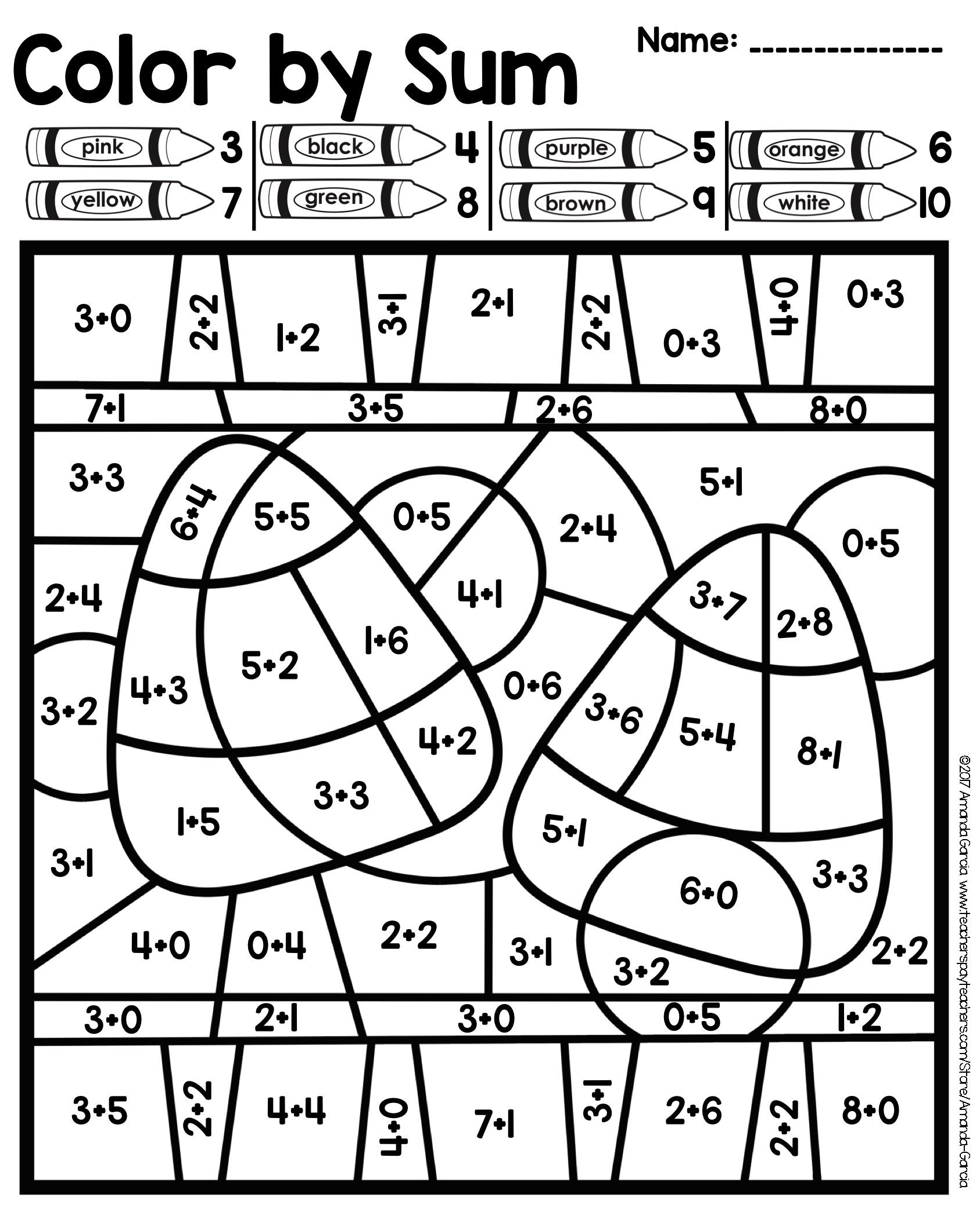
When you look at a Color By Number Addition And Subtraction worksheet, you’ll notice a grid filled with numbers, each corresponding to a specific color. This layout serves multiple purposes. First, it allows for a clear and organized way for students to see their math problems. Each cell in the grid typically contains a simple addition or subtraction problem, which students must solve before coloring.
Sections of the Worksheet
- Math Problems: Generally, the problems range from simple (e.g., 1 + 1) to more complex (e.g., 15 – 7), making it suitable for different grade levels.
- Color Key: Usually located at the bottom or side of the worksheet, this section lists numbers alongside colors. For instance, the number 1 might correspond to red, while the number 2 corresponds to blue.
- Coloring Area: The main attraction! After solving the problems, students will color in the corresponding sections, revealing a hidden picture as they complete their math problems.
Understanding this layout helps teachers effectively explain the activity to students. It’s beneficial to highlight how solving each problem leads to a part of the final picture, thereby motivating students to engage with the math problems.
Ideal Grade Levels for Color By Number Activities
Color By Number Addition And Subtraction worksheets are generally designed for students in early elementary grades, typically from kindergarten through second grade. At this stage, students are beginning to grasp fundamental math concepts, making these worksheets particularly effective.
- Kindergarten: Simple addition problems (sums up to 10) can introduce young learners to the concept of addition in a fun way.
- First Grade: First graders can tackle slightly more complex problems, including addition and subtraction within 20.
- Second Grade: By second grade, students can handle mixed operations and larger numbers, making these worksheets a great review tool.
Teachers can easily adapt the difficulty of the worksheets based on the skill level of their students, ensuring that everyone benefits from the exercise.
Creative Uses in the Classroom
Incorporating Color By Number Addition And Subtraction worksheets into your lesson plans can enhance student engagement and learning. Here are some creative ways to use these resources:
- Quiet Time Filler: After a busy lesson, these worksheets can serve as a calming activity. They allow students to focus and wind down while still practicing math.
- Group Activity: Pair students and have them work together to solve the problems and color the picture. This encourages collaboration and discussion about math concepts.
- Take-Home Extension: Send these worksheets home as homework to reinforce what students learned in class. Parents will appreciate fun and educational activities that keep their children engaged.
By presenting these worksheets in multiple settings, you can maximize their effectiveness and make math practice enjoyable.
Printing Tips for Optimal Results
When preparing to print Color By Number Addition And Subtraction worksheets, consider the following tips to ensure the best results:
- Paper Type: Use heavier paper or cardstock for durability, especially if students will be using markers or paints. This prevents bleed-through and allows for vibrant colors.
- Print Settings: Check your printer settings to ensure that the quality is set to high. This will help the colors appear more vibrant and the lines clearer.
- Size Options: Standard letter size (8.5” x 11”) is commonly used, but consider scaling if you want a larger coloring area. Just ensure that all elements remain visible and clear.
These printing tips will help you produce high-quality worksheets that students will enjoy using.
Additional Resources and Variations
To further enrich your classroom experience, consider supplementing Color By Number Addition And Subtraction worksheets with other resources:
- Digital Versions: Some online platforms offer interactive versions of these worksheets where students can color using a tablet or computer. This can provide a fresh twist on the activity and appeal to tech-savvy students.
- Themed Worksheets: Look for seasonal or holiday-themed worksheets (e.g., Halloween, Christmas) that incorporate addition and subtraction. These can make learning even more engaging.
- Cross-Curricular Activities: Integrate art by having students create their own color-by-number worksheets after completing the provided ones. They can come up with their own problems and corresponding color keys.
All of these options can help keep the learning experience varied and exciting.









