Word puzzles for 4th graders are fantastic tools for reinforcing vocabulary and improving critical thinking skills in a fun and engaging way. Whether you’re a teacher looking for classroom activities or a parent seeking to provide extra learning at home, these puzzles can be a valuable resource. In this guide, we’ll explore various types of word puzzles, their benefits, and how you can effectively use them in your educational settings.
Types of Word Puzzles
When it comes to word puzzles for 4th graders, there are several types you can consider. Each type serves a different purpose and can engage students in unique ways. Here are some popular formats:
Crossword Puzzles
Crossword puzzles are excellent for vocabulary building. They encourage students to think critically about word meanings and spellings. You can create custom crosswords that align with specific vocabulary lists or subjects being studied. This makes them highly adaptable to your curriculum.
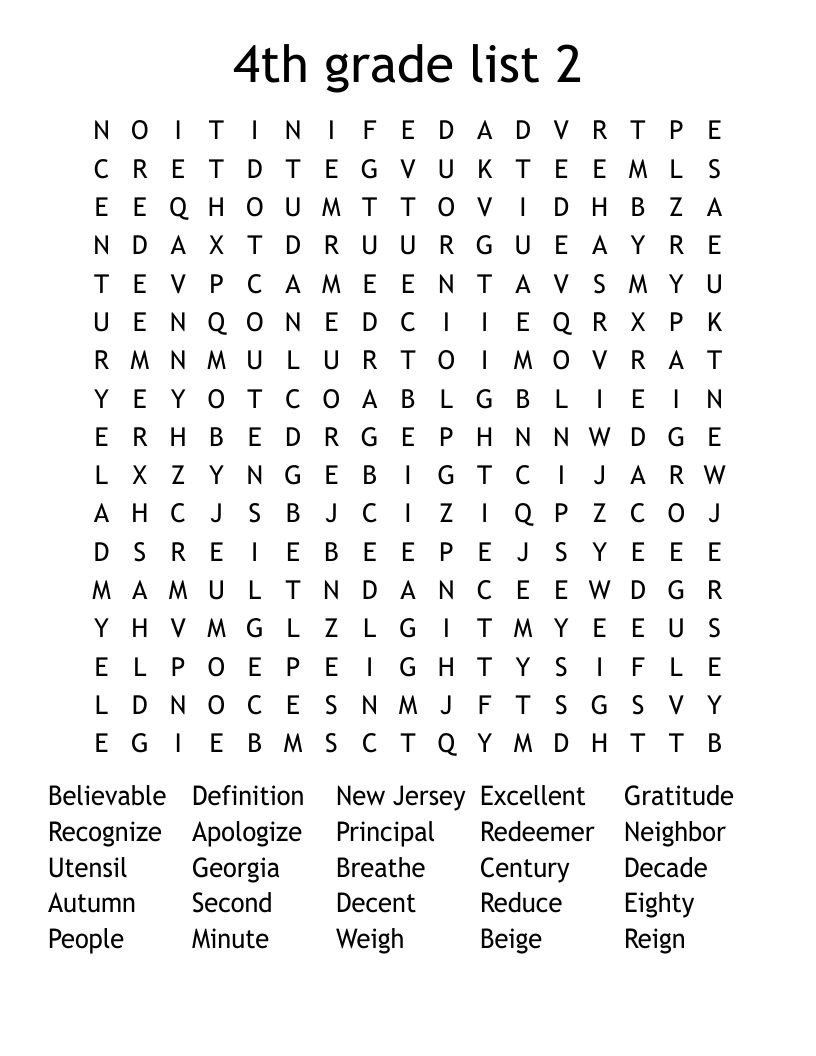
Word Searches
Word searches are popular among students and can be used to reinforce specific vocabulary sets. They can help improve pattern recognition and spelling skills. To make them more educational, consider incorporating thematic elements related to what students are currently learning, such as science terms or historical figures.
Fill-in-the-Blank Puzzles
These puzzles require students to fill in missing words based on context clues provided in sentences. This format helps with comprehension and encourages students to think critically about word usage in different contexts. You can create fill-in-the-blank worksheets that correspond with reading materials.
Word Jumbles
Word jumbles challenge students to unscramble letters to form words. This activity not only aids in vocabulary development but also enhances spelling skills. You can mix up vocabulary from various subjects to keep it interesting and relevant.
Benefits of Using Word Puzzles
Incorporating word puzzles in your teaching strategy offers numerous benefits. Here’s why they are effective:
Enhances Vocabulary Skills
Regular exposure to word puzzles helps students learn new words in a fun manner. As they solve puzzles, they encounter words repeatedly, which reinforces their meanings and spellings.
Promotes Critical Thinking
Puzzles require students to think critically and apply problem-solving skills. They must analyze clues and make connections between words, which fosters deeper cognitive abilities.
Encourages Independent Learning
Word puzzles can be done independently, allowing students to work at their own pace. This autonomy helps build confidence and encourages a love for learning.
Provides Instant Feedback
When students complete a puzzle, they can immediately check their answers. This instant feedback helps them understand their mistakes and learn from them right away.
How to Use Word Puzzles in the Classroom
Integrating word puzzles into your classroom activities can be straightforward. Here are practical ways to incorporate them effectively:
Daily Warm-Ups
Start each day with a short word puzzle as a warm-up activity. This can help set a positive tone for the day and get students engaged right from the start.
Homework Assignments
Assign word puzzles as homework to reinforce vocabulary learned in class. This not only helps with retention but also allows parents to engage with their child’s learning.
Group Activities
Consider using larger puzzles for group work. Students can collaborate to solve crosswords or word searches, promoting teamwork and communication skills.
Assessment Tools
Word puzzles can also serve as informal assessment tools. Use them to gauge students’ understanding of vocabulary or subject matter. This can provide insight into areas where students may need additional support.
Creating Your Own Word Puzzles
Creating customized word puzzles can be a fun activity for teachers and parents alike. Here’s how to get started:
Choose a Theme
Select a theme that aligns with current learning objectives. This could be based on a unit in science, history, or literature. A focused theme makes the puzzles more relevant and engaging.
Select Vocabulary Words
Choose a list of vocabulary words that students should learn. Aim for a mix of challenging and familiar words to cater to different skill levels.
Use Online Tools
There are several online tools and software available that can help you create word puzzles easily. These tools often allow you to customize the size, shape, and difficulty of the puzzles.
Test Them Out
Before distributing puzzles to students, try them out yourself or with a colleague to ensure they are appropriately challenging and free of errors.
Printable Resources for Word Puzzles
If you’re looking for ready-made word puzzles for 4th graders, there are plenty of printable resources available online. Here are some options to consider:
Educational Websites
Many educational websites offer free printable word puzzles. These resources often come with answer keys, making it easy for teachers and parents to facilitate learning.
Printable Worksheets
Look for printable worksheets that include a variety of word puzzles. These can be downloaded and printed for classroom or home use.
Themed Packs
Consider downloading themed word puzzle packs that align with specific subjects or holidays. These can be a fun way to celebrate themes while reinforcing learning.
Customizable Templates
Some websites provide customizable templates for creating your own word puzzles. This can give you the flexibility to tailor puzzles specifically to your classroom needs.
Tips for Effective Implementation
To maximize the benefits of word puzzles, keep these practical tips in mind:
Differentiate Instruction
Not all students learn at the same pace. Provide puzzles at varying difficulty levels to accommodate different skill sets. This ensures that every student can participate and feel successful.
Incorporate Technology
Consider using digital word puzzles that students can complete on tablets or computers. This can add an interactive element that some students may find more engaging.
Encourage Discussion
After completing puzzles, have discussions about the words and their meanings. This reinforces learning and allows students to share their insights.
Make it Fun
Add a competitive edge by hosting puzzle-solving contests or challenges. This can motivate students to engage more deeply with the material.
By incorporating word puzzles for 4th graders into your teaching strategy, you can create a dynamic and enjoyable learning environment that promotes vocabulary acquisition and critical thinking skills. With a variety of puzzle types and resources available, you have the tools to make learning both effective and fun. Get started today by downloading or creating your own puzzles, and watch your students thrive!









