When it comes to teaching preschoolers, finding effective and engaging resources is essential. One area that often presents challenges is helping young children grasp the concept of numbers and develop their writing skills. This is where Number Tracing Pages For Preschoolers come into play. These pages not only aid in number recognition but also help little ones refine their fine motor skills, setting a solid foundation for future learning.
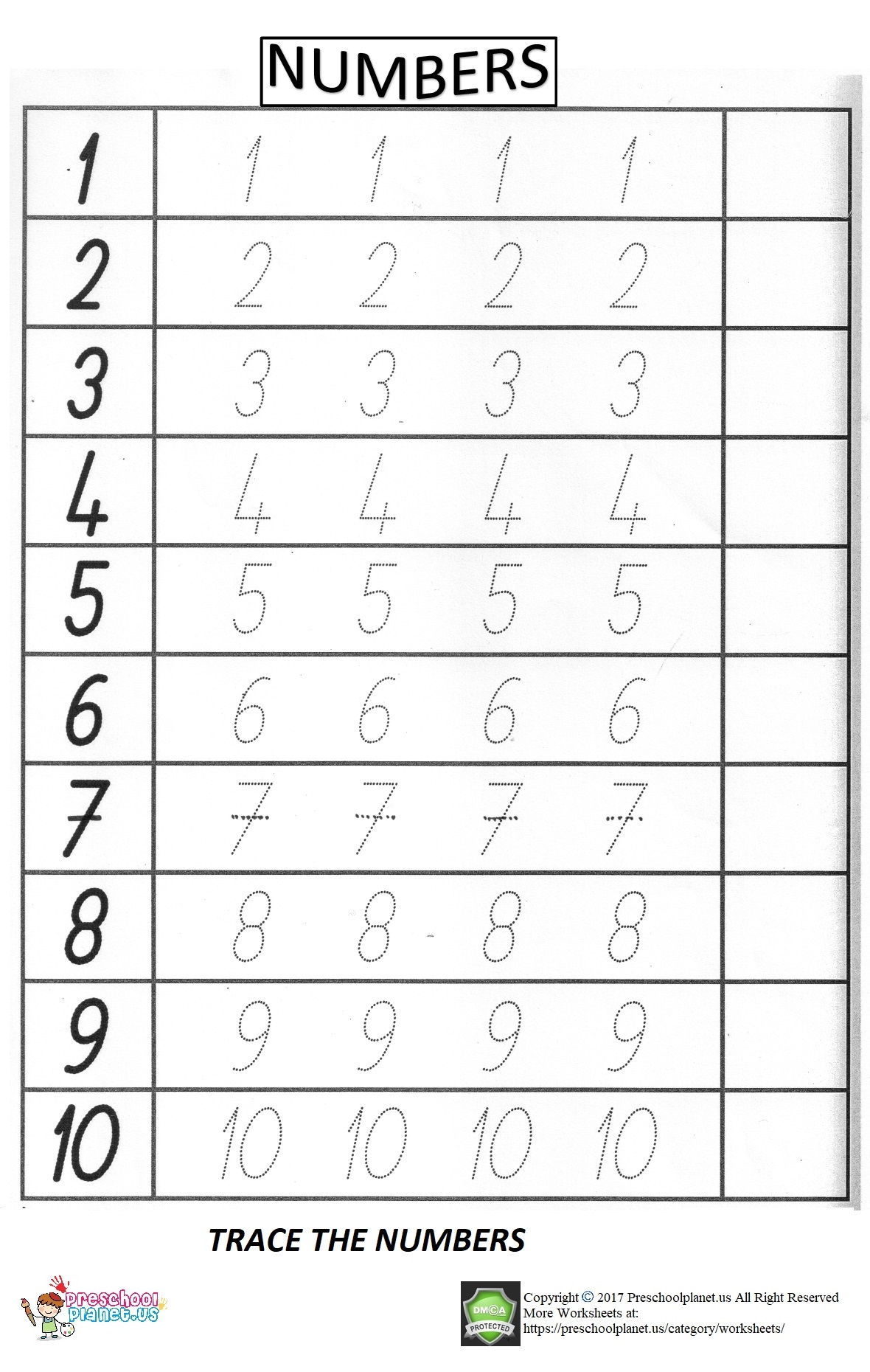
Why Number Tracing is Important for Preschoolers
Number tracing is more than just a fun activity; it plays a crucial role in early childhood education. Preschoolers are at a developmental stage where they are beginning to understand numbers, and tracing helps them visualize and memorize these concepts. As they trace each number, they reinforce their recognition of both the shape and the value of each digit.
Moreover, tracing activities enhance fine motor skills, which are essential for writing and other tasks. By practicing how to hold a pencil and control their movements, children become more confident in their writing abilities. This is particularly beneficial as they transition into formal schooling, where writing skills are heavily emphasized.
Characteristics of Effective Number Tracing Pages
Not all number tracing pages are created equal. When looking for effective resources, consider these characteristics:
- Clear, Bold Lines: The numbers should be outlined in a way that is easy for little hands to follow. Thin lines can be difficult for preschoolers to trace accurately.
- Visual Aids: Incorporating images related to the numbers can help children make connections. For instance, a page with the number “3” could feature three apples alongside the number.
- Variety of Activities: Some pages might include additional activities, such as counting objects or coloring, to keep children engaged and reinforce learning.
- Age Appropriateness: Ensure that the difficulty level matches the age group. For preschoolers, simple numbers and straightforward designs work best.
How to Use Number Tracing Pages in the Classroom
Integrating Number Tracing Pages For Preschoolers into your teaching routine can be seamless. Here are some practical tips for making the most of these resources:
- Daily Practice: Incorporate tracing pages into your daily routine. A few minutes each day can lead to significant improvement over time.
- Group Activities: Use tracing pages as a group activity. This fosters collaboration and allows children to learn from each other. You might have them work in pairs to trace numbers and then share what they learned.
- Feedback and Encouragement: As children work through the pages, provide positive reinforcement. Celebrate their progress, whether they’ve traced a number correctly or improved their grip on the pencil.
- Combine with Other Subjects: Integrate number tracing with other subjects, such as art. For instance, children can create a collage of things that represent each number, enhancing both their math skills and creativity.
Checking Progress: What Mastery Looks Like
As educators or parents, it’s essential to recognize when a child has mastered number tracing. Here are some indicators to look for:
- Accuracy in Tracing: Mastery is evident when children can trace numbers within the lines consistently. They should be able to do this without excessive guidance.
- Independent Recognition: If a child can recognize and name the numbers without assistance after tracing, it indicates that they are internalizing the information.
- Application in Context: Children should be able to apply their number knowledge in different contexts, such as counting objects or using numbers in simple addition.
- Fine Motor Development: Improvement in their pencil grip and control while tracing is a sign that they are developing the necessary motor skills for writing.
Customizing Number Tracing Pages for Individual Needs
Every child learns differently. Customizing Number Tracing Pages For Preschoolers can help cater to individual learning styles and needs. Here’s how:
- Adjusting the Difficulty: For children who find tracing challenging, consider providing thicker lines or larger numbers. For advanced learners, incorporate more complex numbers or allow them to practice writing the numbers without tracing.
- Incorporating Interests: Tailoring the pages to include themes or characters that interest the child can boost engagement. If a child loves dinosaurs, create tracing pages with a dinosaur theme.
- Using Technology: There are various apps and online resources that offer interactive number tracing. These can complement traditional worksheets and provide an engaging way for kids to practice.
Practical Considerations for Printing and Usage
When using Number Tracing Pages For Preschoolers, it’s important to consider how you print and present these resources. Here are some tips:
- Paper Type: Using cardstock can make the pages more durable, especially if you plan to laminate them for repeated use. This way, children can use dry-erase markers and practice multiple times.
- Page Size: Standard letter size (8.5” x 11”) works well for most printers. However, if you have access to larger paper, consider using it for more spacious designs.
- Color Printing: If your printer allows, use color ink to print the tracing pages. Colorful designs can be more appealing to children and enhance their interest in the activity.
- Accessibility: Ensure that the pages are readily available. Having a designated folder or area in the classroom or at home can encourage children to practice independently.









