Fill in the blank worksheets are a fun and effective way to engage kindergarten students in learning. These worksheets help children develop their reading and writing skills by encouraging them to think critically about words and context. Using Kindergarten Fill In The Blank Worksheets not only provides students with practice in vocabulary but also enhances their comprehension abilities. Here’s how you can effectively incorporate these worksheets into your teaching routine at home or in the classroom.
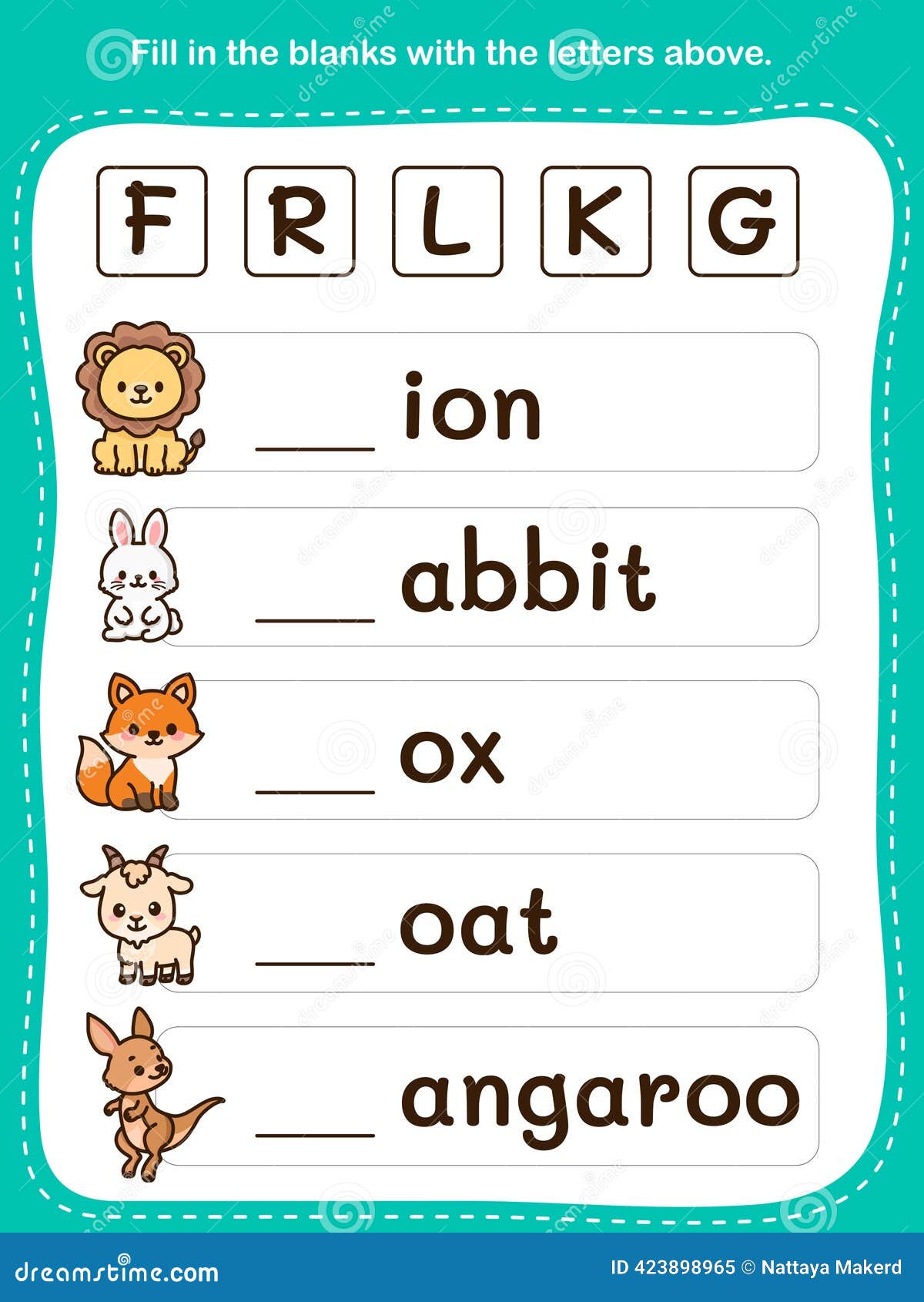
Understanding the Importance of Fill In The Blank Worksheets
Fill in the blank exercises serve multiple educational purposes. They promote vocabulary development, comprehension, and even spelling skills. By providing students with a context in which they must identify the correct words, these worksheets encourage active learning. This method is especially beneficial for young learners, as it allows them to think critically about language while also making learning enjoyable.
These worksheets typically feature short sentences with missing words, prompting students to use their knowledge of language to fill in the gaps. This not only reinforces their understanding of sentence structure but also promotes independent thinking.
Creating an Engaging Learning Environment
To make the most of Kindergarten Fill In The Blank Worksheets, consider how you can create an engaging learning environment. Here are some practical tips:
- Set Up a Cozy Learning Space: Designate a comfortable area in your home or classroom where children can focus on their worksheets. A quiet corner with good lighting can make a significant difference in their concentration levels.
- Gather Necessary Supplies: Ensure that you have all the necessary materials on hand. This includes colored pencils, markers, or crayons for adding a creative touch to the worksheets. Using colorful tools can make the activity more appealing to young learners.
- Incorporate Interactive Elements: Combine worksheets with interactive activities. For example, after completing a fill-in-the-blank exercise, have students act out the sentences they created. This adds a physical element to learning that can help reinforce their understanding.
Choosing the Right Fill In The Blank Worksheets
When selecting Kindergarten Fill In The Blank Worksheets, it’s essential to consider the learning objectives you have in mind. Here are some features to look for:
- Age Appropriateness: Ensure that the worksheets are suitable for kindergarten students. They should contain simple vocabulary and straightforward sentence structures.
- Variety of Topics: Look for worksheets that cover a range of subjects, such as animals, seasons, colors, and shapes. This variety keeps students engaged and allows for cross-curricular connections.
- Visual Aids: Worksheets that include images alongside the text can help students make connections between words and their meanings. Visual aids are especially beneficial for visual learners.
- Gradual Difficulty: Choose worksheets that gradually increase in complexity. Start with simple sentences and progress to more challenging ones as students gain confidence in their abilities.
Implementing Worksheets in Your Routine
Integrating Kindergarten Fill In The Blank Worksheets into your daily routine can enhance literacy learning. Here’s how you can do it effectively:
- Daily Practice: Set aside a specific time each day for worksheet activities. Consistency helps students build a routine and reinforces their learning.
- Group Activities: Consider using these worksheets in group settings. Partnering students or organizing small groups can foster collaboration and peer learning. Children often learn better when they can discuss their answers with classmates.
- Feedback and Discussion: After completing the worksheets, engage students in a discussion about their answers. Ask them why they chose certain words and encourage them to think about alternatives. This promotes critical thinking and reinforces their understanding of language.
- Follow-Up Activities: After completing a worksheet, consider follow-up activities that reinforce the same vocabulary. For instance, if the worksheet involved animal names, take a nature walk and have students identify animals they see.
Where to Find Printable Fill In The Blank Worksheets
Finding high-quality Kindergarten Fill In The Blank Worksheets doesn’t have to be a challenge. Many websites offer free or low-cost printable resources. Here are some reliable sources to consider:
- Educational Websites: Websites dedicated to education often provide a variety of printable worksheets. Look for sites that cater specifically to early childhood education.
- Teacher Resource Libraries: Many teacher resource libraries offer downloadable worksheets created by educators. These resources are typically aligned with curriculum standards.
- Homeschooling Communities: Online homeschooling groups often share resources among parents. Joining these communities can provide you with access to worksheets and other educational materials.
Encouraging Creativity and Personalization
While fill-in-the-blank worksheets are structured, there’s plenty of room for creativity. Encourage students to personalize their worksheets. Here are some ideas:
- Illustrations: After filling in the blanks, students can draw pictures that relate to the sentences they created. This adds a creative element and reinforces their understanding of the vocabulary.
- Story Creation: Challenge students to create their own fill-in-the-blank sentences. They can write short stories and ask their peers to fill in the blanks. This allows for creative expression while practicing their writing skills.
- Sharing with Family: Encourage students to share their completed worksheets with family members. This not only boosts their confidence but also reinforces their learning outside of the classroom.
Making the Most of Your Worksheets
To maximize the effectiveness of Kindergarten Fill In The Blank Worksheets, consider these practical tips:
- Use Laminated Copies: If you plan on reusing worksheets, consider laminating them. This allows students to use dry-erase markers to fill in the blanks and can be wiped clean for repeated use.
- Incorporate Technology: If you have access to tablets or computers, look for interactive fill-in-the-blank games that can supplement the worksheets. This can provide a fun, tech-savvy twist to traditional learning.
- Monitor Progress: Keep track of each student’s progress over time. This can help you identify areas where they may need additional support or practice.
By thoughtfully integrating Kindergarten Fill In The Blank Worksheets into your teaching routine, you can provide students with a rich learning experience that enhances their literacy skills. The versatility of these worksheets makes them an invaluable resource in any educational setting. Choose engaging materials, create a supportive environment, and watch your students thrive as they fill in the blanks!









