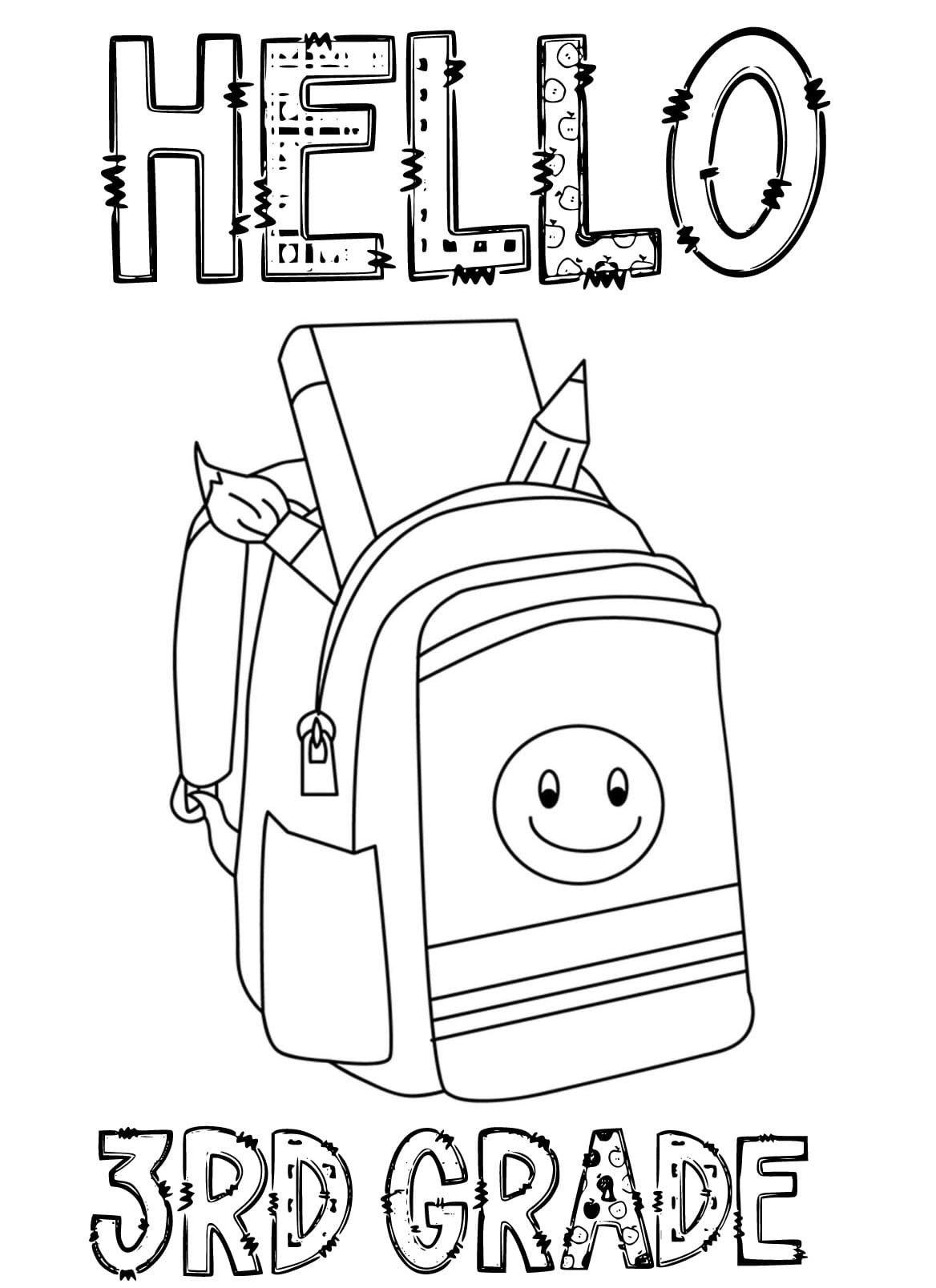
Color Sheets For 3rd Graders offer a unique blend of creativity and engagement, making them an excellent resource for teachers. These printable coloring pages not only keep students occupied but also allow them to express themselves artistically. Unlike typical worksheets that might focus solely on academics, color sheets invite students to explore their imagination while reinforcing their motor skills. Let’s delve into how you can make the most of these resources.
Benefits of Coloring for 3rd Graders
Coloring is more than just a fun activity; it has tangible benefits for children, especially those in 3rd grade. At this age, students are developing fine motor skills, hand-eye coordination, and cognitive abilities. Engaging with color sheets can help refine these skills. The act of coloring requires concentration and can improve a child’s ability to focus on tasks.
Additionally, coloring can be a calming activity. For students who may feel overwhelmed by academic pressures, taking time to color can provide a much-needed mental break. This balance of creativity and relaxation is particularly beneficial for young learners.
Choosing the Right Materials
When it comes to coloring sheets, the materials you choose can enhance the experience. Here are some considerations:
- Paper Type: Using a heavier paper, like 80 lb or 100 lb cardstock, can prevent bleed-through if students are using markers. Thinner paper might work well for crayons but can tear easily if colored too vigorously.
- Coloring Tools: Different tools yield different experiences. Crayons are great for younger children as they are easy to handle. Markers offer vibrant colors but require more care to avoid bleeding. Colored pencils provide a middle ground, allowing for detailed coloring without the mess.
Creative Uses for Color Sheets
Color sheets can be utilized in various ways beyond just coloring. Here are some creative ideas to incorporate them into your classroom:
- Storytelling Prompts: After coloring, ask students to write a short story based on their colored images. This encourages creativity and helps develop writing skills.
- Classroom Decor: Display students’ finished color sheets around the classroom. This not only boosts their confidence but also creates a vibrant learning environment.
- Themed Days: Organize themed coloring days based on holidays or specific subjects. For example, around Earth Day, you might have students color nature scenes, linking art to environmental awareness.
Printing Tips for Optimal Results
To ensure the best results when printing color sheets, consider the following tips:
- Print Settings: Use a high-quality print setting for the best color saturation. Most home printers have a setting specifically for printing images, which can enhance the vibrancy of colored sheets.
- Test Page: Before printing a large batch, print a test page to check for any adjustments needed in color or layout. This can save paper and ink in the long run.
- Size Matters: Standard letter size (8.5 x 11 inches) is ideal for most color sheets, making them easy to print and distribute. However, consider larger sizes for group activities where students can collaborate on a single sheet.
Engaging Themes for Color Sheets
When selecting color sheets for 3rd graders, engaging themes can make a significant difference. Here are some popular themes that resonate well with this age group:
- Animals: Children love animals, and sheets featuring different species can spark interest in biology and conservation.
- Space: Color sheets depicting planets, rockets, and astronauts can tie into science lessons about the solar system.
- Seasons: Seasonal themes allow for discussions about weather, ecology, and the environment, making them educational as well as fun.
Incorporating Color Sheets Into Curriculum
Integrating color sheets into your curriculum can enhance learning without overwhelming students. Here are a few strategies:
- Cross-Disciplinary Lessons: Use color sheets to bridge different subjects. For example, after a science lesson on the life cycle of a butterfly, students can color a butterfly sheet, reinforcing what they learned.
- Assessment Tools: Color sheets can serve as informal assessments. By observing how students approach the coloring task, you can gauge their understanding of themes, colors, and even story development.
- Group Activities: Encourage collaboration by having students work in pairs to color a large mural. This fosters teamwork while allowing them to explore their artistic sides.









