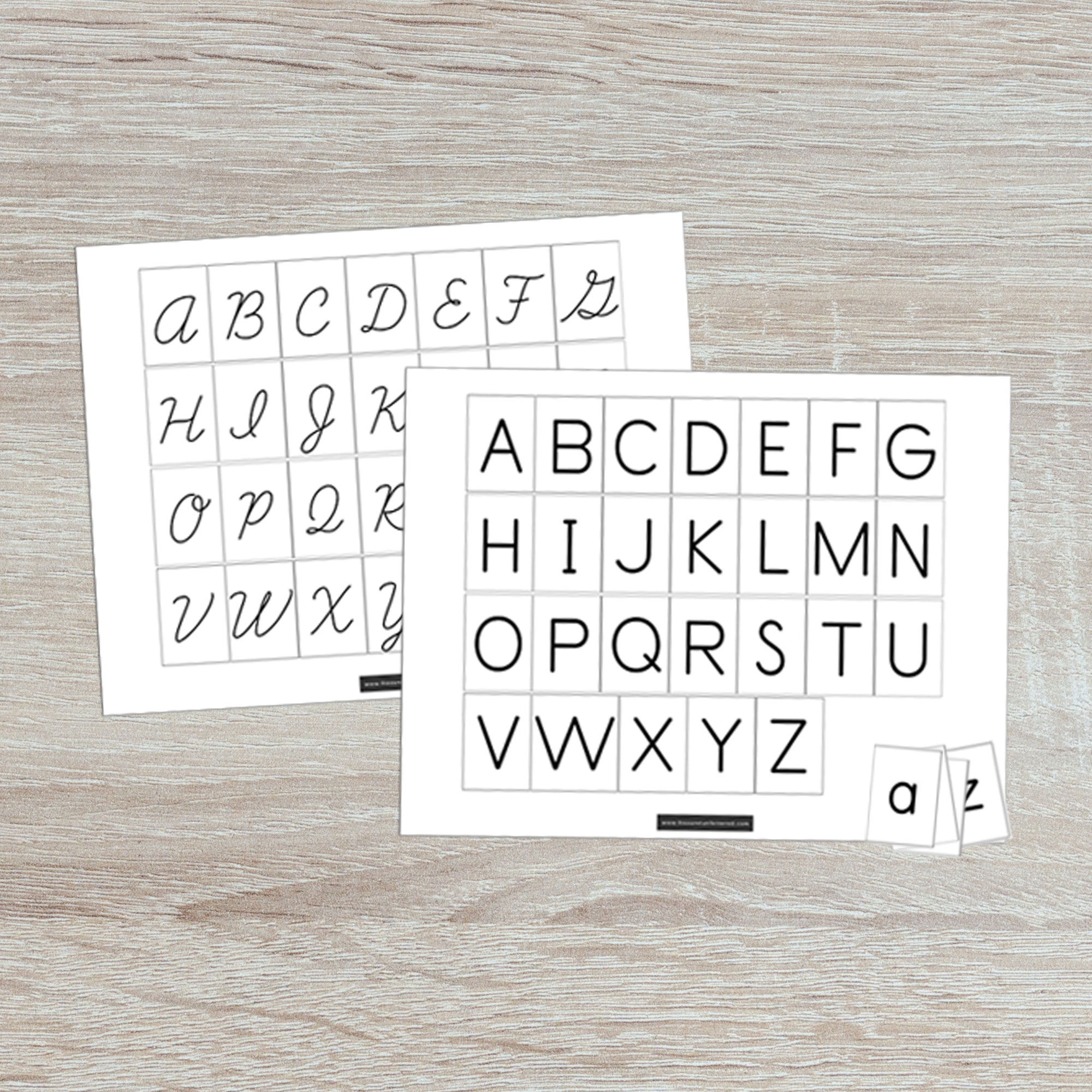
When teaching young learners, matching lowercase and uppercase letters can be a fun and engaging activity. Match Lowercase And Uppercase Letters Printables are not just a resource; they’re a versatile tool that can enhance letter recognition, improve handwriting, and foster a love for learning. These printables can be easily integrated into your lesson plans, If you are a classroom teacher or a homeschool parent.
Understanding the Importance of Letter Recognition
Letter recognition is a foundational skill that all children need to develop as they begin their reading journey. By recognizing both uppercase and lowercase letters, students can decode words more effectively. This skill is especially important in early childhood education, typically for children aged 4 to 7.
Using printables to practice this skill allows children to engage with the letters actively. They can trace, color, and match, reinforcing their learning in a hands-on way. It’s an excellent opportunity to make learning interactive, catering to various learning styles, whether visual, auditory, or kinesthetic.
Types of Match Lowercase And Uppercase Letters Printables
When you’re looking for printables, you’ll find various formats and styles available. Here are some common types you might consider:
- Matching Worksheets: These worksheets typically have a column of uppercase letters alongside a column of lowercase letters. Students draw lines to connect matching pairs, making it a straightforward and effective exercise.
- Coloring Pages: These printables often feature illustrations that incorporate both uppercase and lowercase letters. Children can color the letters while learning their shapes and sounds, adding an artistic twist to the activity.
- Tracing Sheets: Tracing printables allow children to practice writing both uppercase and lowercase letters. This not only helps with recognition but also develops fine motor skills essential for writing.
- Flashcards: Flashcards can be used for quick matching games. You can create sets with uppercase letters on one side and lowercase on the other, making it easy for children to flip and identify matches.
- Interactive Games: Some printables turn learning into a game. For example, bingo cards featuring letters can be a fun way to reinforce recognition while keeping students engaged.
How to Use Match Lowercase And Uppercase Letters Printables in the Classroom
Integrating these printables into your teaching routine can be simple and rewarding. Here are some practical strategies to get started:
Daily Letter Practice
Incorporate a short daily session where students work with these printables. This could be as simple as a five-minute warm-up activity where students match letters or trace them. Consistency helps reinforce their learning and builds confidence.
Group Activities
Divide students into small groups and give them different printables to work on. This encourages collaboration and allows children to learn from one another. They can take turns explaining their reasoning for matches, enhancing their verbal skills as well.
Interactive Centers
Set up a learning center in your classroom where students can explore these printables at their own pace. Include various activities, such as matching games, tracing sheets, and coloring pages. This promotes independence and allows for differentiated learning.
Parent Involvement
Send some printables home for parents to use with their children. This not only extends learning beyond the classroom but also encourages parents to engage in their child’s education. Provide instructions on how to use the resources effectively.
Assessment Tools
You can also use these printables as informal assessments. Observe how well students perform when matching letters or completing worksheets. This can give you insights into their understanding and help you tailor future lessons.
Tips for Printing and Using Printables Effectively
To make the most out of your Match Lowercase And Uppercase Letters Printables, consider the following tips:
- Paper Quality: Using cardstock rather than regular paper can make a significant difference, especially for tracing sheets. Cardstock is more durable and holds up better if you plan to laminate the printables for repeated use.
- Print Settings: Ensure you choose the correct print settings for your resources. Portrait layout works well for most printables, and selecting a high-quality print option can enhance clarity, making it easier for children to read the letters.
- Laminating: If you want your printables to last, consider laminating them. This way, students can use dry-erase markers for tracing and can wipe them clean for reuse.
- Coloring Supplies: If you’re using coloring pages, provide a variety of materials, such as crayons, markers, or colored pencils. This allows children to express their creativity while learning.
- Storage Solutions: Keep your printables organized in binders or folders. This makes it easy to find specific activities and keeps your resources in good condition.
Engaging Activities to Enhance Learning
To further engage students in matching lowercase and uppercase letters, here are some creative activity ideas:
Letter Scavenger Hunt
Create a scavenger hunt where students find objects in the classroom that start with specific uppercase letters. Once they find an object, they can write the corresponding lowercase letter next to it on their printable worksheet. This activity combines movement with learning.
Letter Matching Games
Turn matching into a game! Use flashcards to play memory games where students must find pairs of matching letters. This not only reinforces recognition but also adds an element of fun and competition.
Storytime Integration
Incorporate printables into your storytime sessions. After reading a story, have students match letters from the book with their printables. This helps them connect the letters they see with the words they hear.
Themed Learning
Tie your printables into themed units. For example, if you’re teaching about animals, have printables that feature animal names for students to match. This contextual learning can help reinforce their understanding of letters and sounds.
The versatility of Match Lowercase And Uppercase Letters Printables allows you to use them in numerous ways. You’ll find that they can adapt to your teaching style and the needs of your students, making learning both enjoyable and effective.
Ultimately, these printables are more than just worksheets; they’re tools that can help foster a love for letters and reading in young children. With creativity and consistent use, you can turn these resources into engaging lessons that resonate with your students, making the process of learning enjoyable and meaningful. Consider how you can incorporate a few of these strategies into your teaching today, and witness the positive impact it can have on your students’ letter recognition skills.









