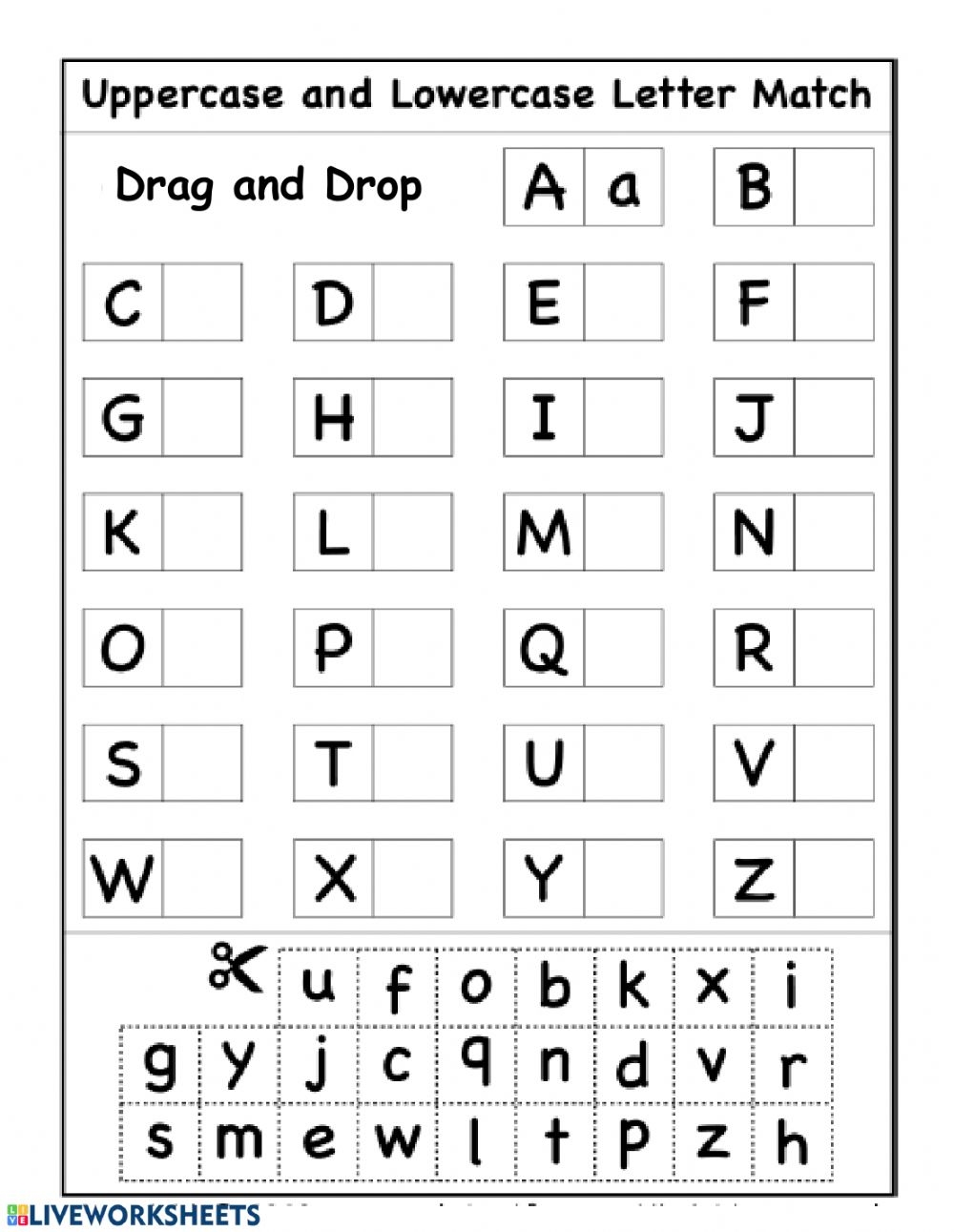
Learning the difference between uppercase and lowercase letters is a fundamental skill for young learners. It lays the groundwork for reading and writing proficiency. The Uppercase And Lowercase Letters Worksheet is an excellent resource for teachers and parents looking to reinforce this important concept. guide you through the steps to effectively use this worksheet in various learning environments, whether in a classroom, homeschool setting, or at home.
Understanding the Importance of Uppercase and Lowercase Letters
Recognizing and using uppercase and lowercase letters correctly is essential for effective communication. Uppercase letters are typically used at the beginning of sentences and for proper nouns, while lowercase letters are used for most other words. Mastering this distinction helps children develop strong writing skills and improves their reading fluency.
This worksheet serves as a practical tool to help students practice identifying, writing, and distinguishing between uppercase and lowercase letters. It’s suitable for preschoolers and kindergarteners, ideally aged 4-6, where these skills are typically introduced.
Downloading the Uppercase And Lowercase Letters Worksheet
Before you can start using the worksheet, you need to download it. Here’s a quick guide on how to do it:
- Visit the Resource Website: Navigate to the printable-resource website that offers the Uppercase And Lowercase Letters Worksheet.
- Find the Worksheet: Use the search function or browse through the worksheets section to locate the specific worksheet.
- Download the File: Click on the download link, usually offered in PDF format. This format ensures that the layout remains consistent when printed.
- Save to Your Device: Choose a location on your computer or tablet where you can easily find the file later.
Preparing to Print the Worksheet
After downloading, it’s time to print the worksheet. Here’s how to set it up for optimal results:
- Choose the Right Paper: Standard letter-size paper (8.5 x 11 inches) works best for most worksheets. If you plan to laminate the worksheet for repeated use, consider using cardstock for durability.
- Check Printer Settings: Make sure your printer is set to the correct paper size. For most home printers, selecting the portrait layout is ideal. Adjust the quality settings to ensure clear, crisp text.
- Print a Test Page: If you’re unsure about your printer settings, print a single page first to check the quality before printing multiple copies.
Using the Uppercase And Lowercase Letters Worksheet Effectively
Now that you have the worksheet ready, it’s time to implement it in your teaching or practice sessions. Here are several effective strategies to make the most out of it:
Guided Practice
Start with guided practice, especially if the child is new to distinguishing uppercase and lowercase letters. Sit down together and go through the worksheet step-by-step.
- Identify Letters: Ask the child to point out uppercase and lowercase letters. You can encourage them to say the letter names aloud.
- Demonstrate Writing: Show how to correctly write both versions of each letter. Use a blank sheet for them to practice alongside the worksheet.
Independent Practice
Once the child feels comfortable, allow them to complete the worksheet independently. This will help reinforce their learning. You can follow these steps:
- Set a Timer: Give them a specific amount of time to finish the worksheet. This can help keep them focused and engaged.
- Encourage Self-Assessment: After they complete the worksheet, review the answers together. Highlight any mistakes and discuss how to correct them.
Incorporating Fun Activities
To make learning more engaging, consider incorporating fun activities alongside the worksheet. Here are a few ideas:
- Letter Hunt: Have the child go on a letter hunt around the house or classroom, finding items that start with a specific letter.
- Craft Projects: Create a letter collage using magazine cutouts or drawings. This reinforces letter recognition in a creative way.
Digital Versus Printed Versions
While the printable version of the Uppercase And Lowercase Letters Worksheet is essential, consider the benefits of using it digitally as well:
- Interactive Learning: If you have access to a tablet, you can use apps that allow children to trace letters directly on the screen.
- Environmental Considerations: Digital use reduces paper waste, which is an important consideration for eco-conscious families and schools.
Additional Resources for Letter Recognition
To further support your child’s literacy development, consider integrating additional resources:
- Flashcards: Use uppercase and lowercase letter flashcards for quick recognition practice. You can create your own or find printable versions online.
- Storybooks: Reading books that emphasize uppercase and lowercase letters can reinforce what they learn from the worksheet. Look for books that focus on alphabet recognition.
- Educational Games: There are many online games and apps designed to reinforce letter recognition and writing skills. Many of these are free and can provide additional practice outside of the worksheet.
Monitoring Progress and Adjusting Techniques
As your child works through the Uppercase And Lowercase Letters Worksheet, it’s important to monitor their progress. Here’s how:
- Keep a Record: Maintain a folder of completed worksheets to track improvement over time. This can motivate your child as they see their progress.
- Adjust Difficulty: If the child finds the worksheet too easy or too challenging, consider adjusting the difficulty. For instance, you could provide more complex sentences for older children or revisit the basics with younger ones.
Encouraging a Love for Learning
Finally, fostering a love for learning is just as important as teaching the skills themselves. Celebrate achievements, no matter how small, and encourage curiosity about letters and words in everyday life.
For immediate action, consider printing a fresh Uppercase And Lowercase Letters Worksheet today. This simple step can create a fun and engaging learning experience for your child, reinforcing their understanding of essential literacy skills.









