Learning Sheets For 2 Year Olds are an excellent way to introduce early learning concepts in a fun and engaging manner. As parents, teachers, or caregivers, you want to provide your little ones with the resources that stimulate their curiosity and foster their development. Learning sheets can serve as the perfect tool for this purpose. They can easily be integrated into daily routines, whether you’re at home or in a classroom setting.
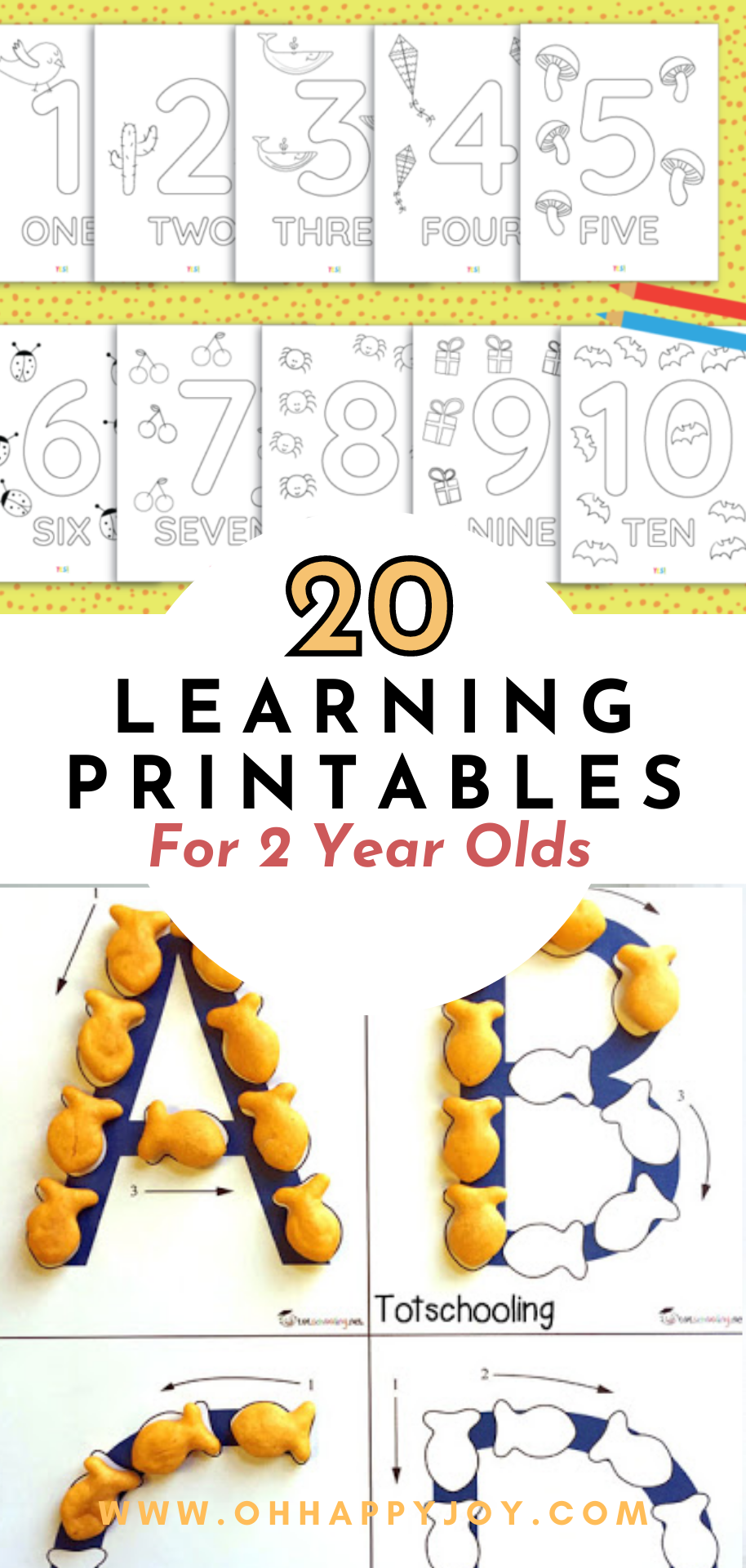
Understanding the Importance of Learning Sheets
Learning sheets are designed to encourage various skills in young children, particularly those around the age of two. At this stage, kids are naturally curious and eager to explore their surroundings. Learning sheets can help develop essential skills, such as:
- Motor Skills: Activities like tracing or coloring on these sheets can enhance fine motor skills.
- Cognitive Development: Engaging with different shapes, colors, and numbers promotes cognitive skills.
- Language Skills: Worksheets that include pictures and words can help expand vocabulary and language comprehension.
Using Learning Sheets For 2 Year Olds can also create a structured learning environment. By incorporating these resources into your routine, you can establish a sense of predictability and comfort for the child.
Selecting the Right Types of Learning Sheets
When choosing learning sheets, consider the interests and developmental levels of the children you’re working with. Here are some popular types of learning sheets that are well-suited for two-year-olds:
1. Coloring Pages
Coloring pages are a favorite among young children. They allow for creative expression and help improve fine motor skills. Look for pages that feature large, simple designs. Animals, shapes, and nature themes are usually a hit.
2. Tracing Sheets
Tracing sheets are fantastic for developing writing skills. These sheets often have dotted lines that children can follow with crayons or pencils. Start with basic shapes and letters to make it easy for them to grasp the concept.
3. Number and Letter Recognition Sheets
These sheets can introduce children to numbers and letters in a playful way. Incorporating fun characters or animals can make learning more enjoyable. Activities might include matching letters to pictures or counting objects.
4. Shape and Color Identification
Learning sheets that focus on shapes and colors can help children recognize these essential concepts in their environment. Use sheets that include a variety of shapes and colors and encourage kids to point them out in real life.
5. Simple Puzzles
Puzzles can be a fun way to stimulate problem-solving skills. Look for printable puzzles that are age-appropriate and visually engaging. Simple jigsaw puzzles or matching games can be excellent choices.
Incorporating Learning Sheets Into Daily Activities
Integrating Learning Sheets For 2 Year Olds into your daily routine doesn’t have to be time-consuming. Here are some practical ways to do it:
Morning Routine
Start the day with a fun activity. After breakfast, sit down with your child and choose a learning sheet to work on together. This can set a positive tone for the day and create a bonding experience.
Snack Time
Use snack time as an opportunity to incorporate learning. For instance, while enjoying fruit, you can focus on counting pieces or identifying colors, and then follow up with a matching sheet.
Afternoon Play
After a busy morning, incorporate learning sheets into playtime. Set up a cozy corner with crayons and printed sheets where children can explore and create at their own pace.
Family Learning Time
Involve the whole family in learning activities. Set aside a specific time during the week where everyone can participate in fun learning games or work on learning sheets together, fostering a supportive learning environment.
Tips for Using Learning Sheets Effectively
To make the most of Learning Sheets For 2 Year Olds, consider these tips:
- Keep It Fun: Make sure the activities are enjoyable. Use playful language and encourage creativity.
- Limit the Number of Sheets: Too many options can overwhelm young children. Start with one or two sheets at a time.
- Praise Efforts: Celebrate their accomplishments, no matter how small. Positive reinforcement encourages continued engagement.
- Be Flexible: If a particular sheet isn’t holding their interest, switch to another activity. The goal is to keep learning enjoyable and stress-free.
Where to Find Quality Learning Sheets
Finding quality Learning Sheets For 2 Year Olds is easier than ever. Many websites offer free or low-cost printable resources. Here are a few reliable sources to explore:
- Educational Websites: Sites dedicated to early childhood education often provide a variety of worksheets tailored to young learners.
- Teacher Resource Sites: These platforms frequently offer downloadable resources created by educators for educators.
- Parent Blogs: Many parenting blogs share printable learning sheets that are engaging and age-appropriate.
When selecting sheets, ensure that they are visually appealing, easy to understand, and suitable for the child’s developmental stage.
Customizing Learning Sheets for Individual Needs
Every child learns differently, and you may find that some learning sheets resonate more with your child than others. Here are a few ways to personalize learning sheets:
- Add Personal Touches: Include your child’s name or favorite characters on the sheets to make them feel special and more engaged.
- Modify Activities: If a sheet seems too challenging, feel free to simplify the tasks. Conversely, if it’s too easy, consider adding additional elements to make it more challenging.
- Use Different Materials: Experiment with different writing tools, such as crayons, colored pencils, or markers, to keep the experience fresh and exciting.
By adapting learning sheets to fit your child’s unique needs and interests, you can create a more effective and enjoyable learning experience.









