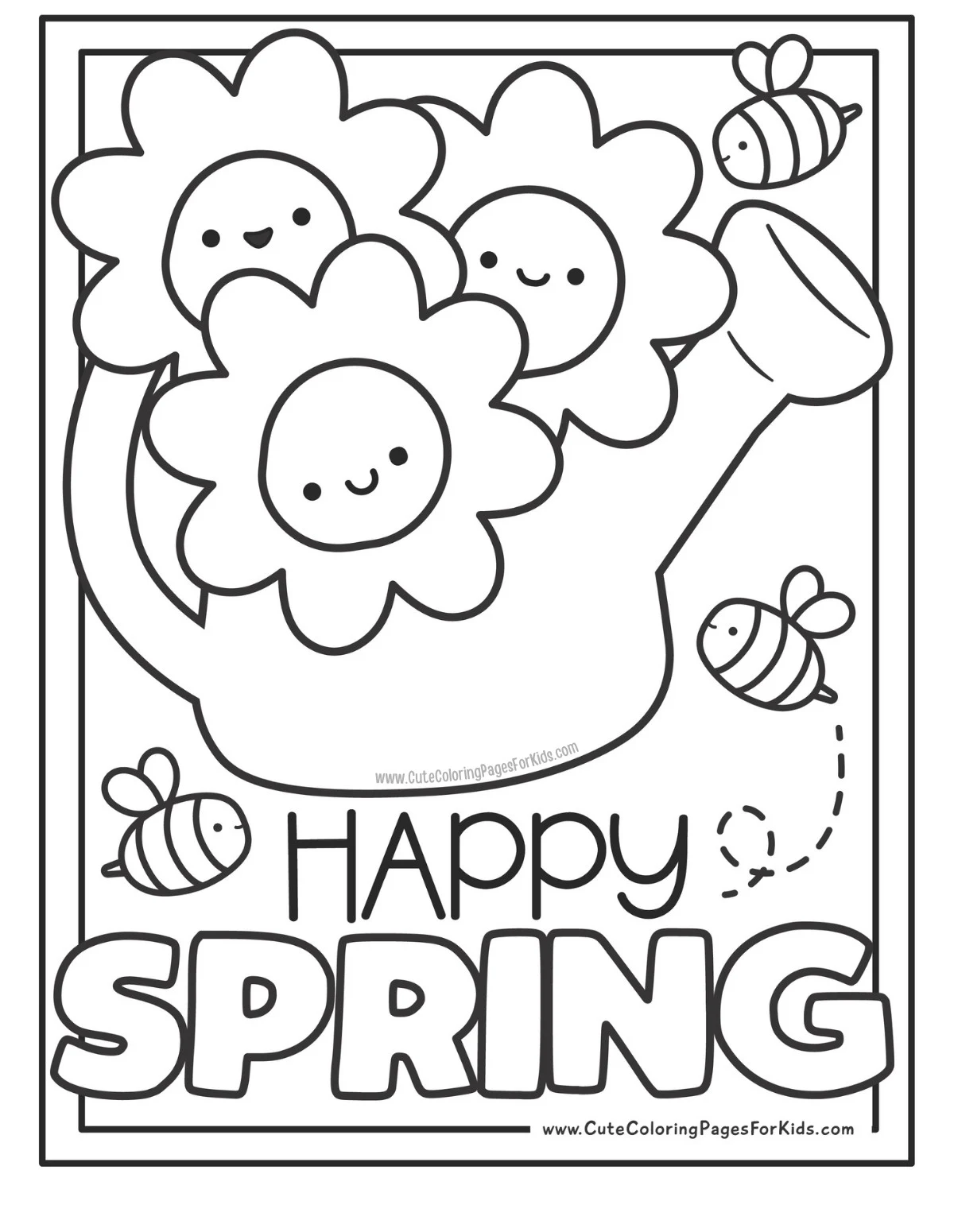
Spring brings a burst of color and creativity, making it the ideal time to incorporate Spring Coloring Pages For Kindergarten into your teaching toolkit. These vibrant resources can not only spark joy in young learners but also support their development in various areas. Let’s explore how to effectively use these coloring pages in your classroom or at home, ensuring a fun and educational experience for your little ones.
Why Use Spring Coloring Pages?
Coloring is more than just a fun activity; it plays a significant role in a child’s development. When you introduce Spring Coloring Pages For Kindergarten, you provide children with an opportunity to express their creativity while enhancing their fine motor skills. The act of coloring involves gripping crayons or colored pencils, which strengthens hand muscles and improves coordination.
Additionally, coloring can foster focus and concentration, skills that are essential for classroom success. As children immerse themselves in the colors and designs of spring-themed images, they also learn about the season’s characteristics—flowers blooming, animals awakening, and the overall beauty of nature.
Selecting the Right Coloring Pages
When choosing Spring Coloring Pages For Kindergarten, consider the complexity of the designs. Younger children typically benefit from simpler images with bold lines and larger spaces to color. Look for pages that feature familiar spring elements, such as:
- Flowers (like tulips and daisies)
- Animals (like bunnies, chicks, and butterflies)
- Spring scenery (like gardens and sunny skies)
For slightly older kindergarteners, you can introduce more intricate designs that require attention to detail. This helps challenge their skills while keeping the activity enjoyable.
You can find a variety of free or low-cost printable coloring pages online, ensuring you have plenty of options to keep your learners engaged. Just ensure that the images are age-appropriate and align with the themes you are exploring in your lessons.
Creative Uses for Coloring Pages
There are countless ways to incorporate Spring Coloring Pages For Kindergarten into your learning environment. Here are some practical ideas to consider:
1. Thematic Units
Integrate coloring pages into thematic units about spring. For example, if you’re teaching about plant growth, pair a flower coloring page with a lesson on how plants grow. After coloring, students can share their art and discuss what they’ve learned about plants.
2. Art Stations
Set up an art station where children can freely choose from various spring-themed coloring pages. Provide a variety of coloring materials, such as crayons, markers, and colored pencils, to encourage creativity. This setup allows children to express their artistic flair while reinforcing their understanding of the season.
3. Classroom Decor
Once the coloring pages are completed, display them around the classroom. This not only beautifies the space but also gives children a sense of pride in their work. You can create a “Spring Gallery” where students can showcase their favorite pieces.
4. Group Activities
Use coloring pages as a group activity. For instance, you can print a large, collaborative coloring page that the whole class can work on together. This promotes teamwork and encourages communication among students as they decide on colors and techniques.
Printing Tips for Optimal Results
To ensure that your Spring Coloring Pages For Kindergarten turn out beautifully, consider the following printing tips:
- Paper Type: Use thicker paper, such as cardstock, for coloring pages. This helps prevent bleed-through from markers and provides a sturdier surface for coloring.
- Size: Standard paper sizes (8.5 x 11 inches) work well for most coloring pages. If you have larger images, consider using legal-sized paper (8.5 x 14 inches) for better results.
- Printer Settings: Set your printer to “Best” or “High Quality” for the best color output. This setting enhances the vibrancy of the images, making them more appealing for young artists.
- Landscape vs. Portrait: Depending on the design, landscape orientation might work better for wider images, while portrait orientation suits taller designs. Adjust your printer settings accordingly.
Enhancing the Learning Experience
Coloring can be much more than just filling in images; it can be a gateway to deeper learning. Here are a few ways to enhance the experience while using Spring Coloring Pages:
1. Discuss Spring Concepts
As children color, engage them in discussions about spring. Ask questions like, “What colors do you see in nature during spring?” or “What animals do you think come out in spring?” This encourages critical thinking and vocabulary development.
2. Incorporate Other Subjects
Use coloring pages to introduce concepts from other subjects. For example, a coloring page featuring a garden can lead to discussions about the science of plants, while a page with animals can tie into lessons on habitats or life cycles.
3. Create Storytime Opportunities
After coloring, you can have a storytime session that includes books about spring. Choose stories that complement the images they’ve colored, fostering a connection between art and literature.









