A sunny afternoon in a cozy living room is a perfect backdrop for teaching a curious two-year-old how to trace letters and shapes. As you spread out colorful worksheets on the floor, your child’s eyes light up with excitement. Tracing worksheets for 2 year olds offer a fun and engaging way to develop essential fine motor skills and prepare little ones for writing. These worksheets not only entertain but also lay the foundation for early literacy.
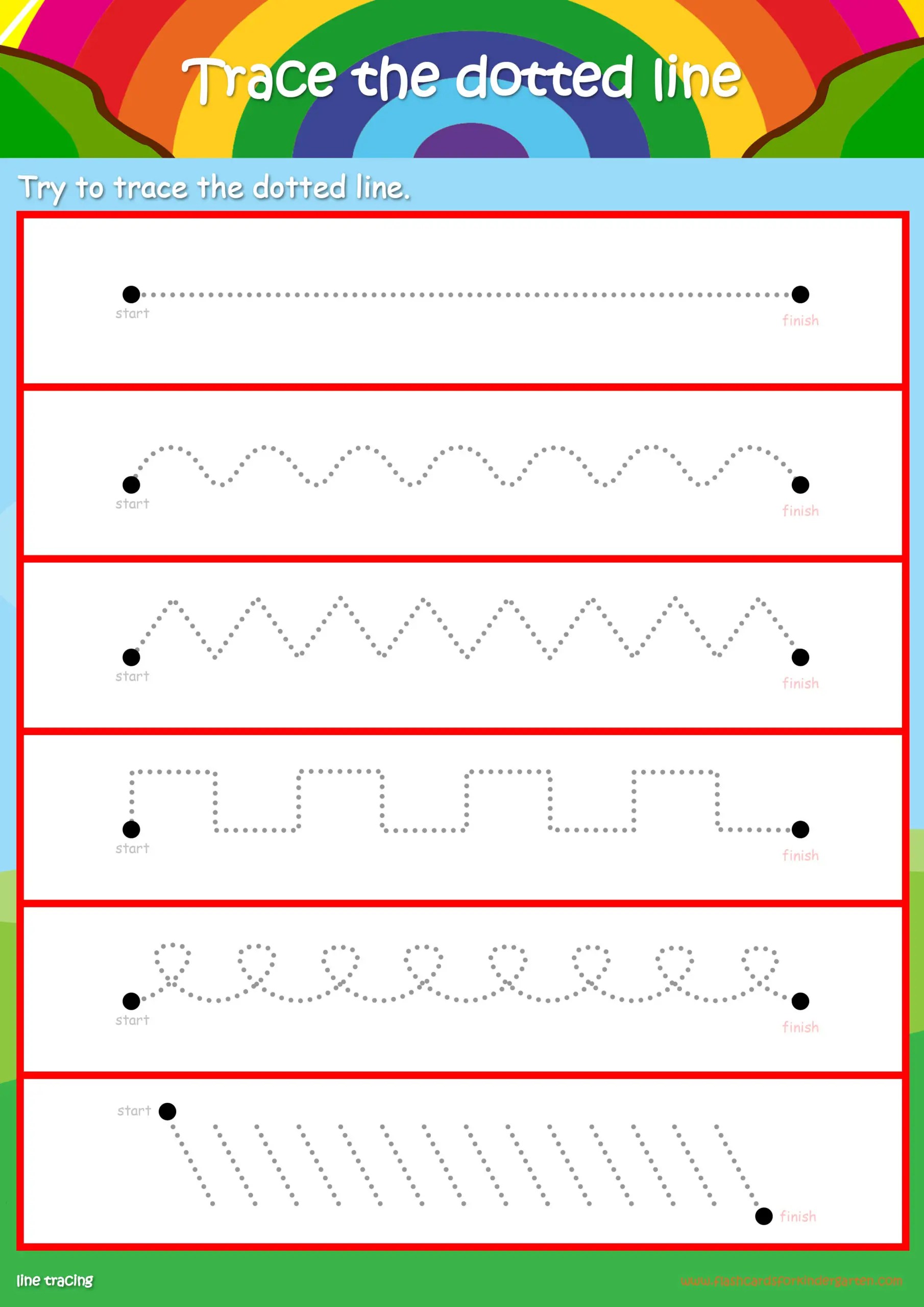
Understanding the Importance of Tracing Worksheets
Tracing worksheets are designed to help young children learn how to control a pencil or crayon, which is crucial for their writing development. At the age of two, children are not only exploring their environment but also beginning to understand the basics of shapes, letters, and numbers. By using tracing worksheets, you can guide them in developing hand-eye coordination and fine motor skills.
Fine motor skills enable children to perform tasks that require precise movements, such as holding a pencil, buttoning clothes, or using scissors. Tracing is an excellent way to strengthen these skills. The repetitive motion of tracing helps reinforce the shape of letters and numbers while making it enjoyable for your child.
Types of Tracing Worksheets
When looking for tracing worksheets for 2 year olds, you’ll find a variety of styles and subjects. Here are some popular types:
- Alphabet Tracing: These worksheets often feature both uppercase and lowercase letters. Children can practice tracing each letter, helping them recognize the shapes and strokes required for writing.
- Number Tracing: Similar to alphabet worksheets, number tracing helps children learn to recognize numbers and understand counting. These worksheets may also include basic counting exercises alongside the tracing.
- Shape Tracing: Shapes like circles, squares, and triangles are fundamental for young learners. Tracing shapes introduces children to geometry and helps them understand how to form these basic figures.
- Picture Tracing: Some worksheets include outlines of simple images, such as animals or objects. Tracing pictures can captivate a child’s imagination and make learning more relatable.
- Name Tracing: Personalizing worksheets with a child’s name can significantly increase engagement. This allows them to practice writing something meaningful to them.
How to Use Tracing Worksheets Effectively
Incorporating tracing worksheets into your child’s routine doesn’t have to be a complicated task. Here’s how to make the most out of these resources:
- Set Up a Comfortable Workspace: Create a designated area with plenty of light and a comfortable chair. A small table or a flat surface helps your child focus on the task.
- Choose the Right Tools: Use crayons, markers, or pencils that are easy for little hands to grip. Crayons are often a favorite for young children due to their vibrant colors and ease of use.
- Start with Simple Shapes: Begin with basic shapes and gradually introduce letters and numbers. This builds confidence and keeps your child engaged.
- Be Patient and Encouraging: Celebrate your child’s efforts, regardless of the outcome. Use positive reinforcement to encourage them to try again if they struggle.
- Integrate Learning with Play: Consider making tracing a game. For instance, you can time how fast they can trace a letter or challenge them to find items around the house that start with that letter.
Creating a Routine With Tracing Worksheets
Incorporating tracing worksheets into your daily routine can be seamless. Here are some tips to make it a regular part of your day:
- Morning Activity: Start the day with a tracing worksheet while having breakfast. This can set a positive tone and encourage learning.
- Afternoon Arts and Crafts: Pair tracing worksheets with other creative activities, such as coloring or crafting. This can enhance the learning experience.
- Weekly Themes: Consider creating themes for each week. For example, focus on animals one week and letters the next. This keeps the content fresh and engaging.
- Incorporate Movement: After tracing, have your child jump or dance to reinforce the shapes or letters they just traced. This can help them retain what they’ve learned.
Downloading and Printing Tracing Worksheets
Finding and printing tracing worksheets for 2 year olds is straightforward. Here are steps to ensure a smooth process:
- Search for Quality Resources: Look for websites that specialize in educational materials for young children. Ensure that the worksheets are age-appropriate and designed for tracing.
- Check Format and Size: Most tracing worksheets are available in PDF format, which is ideal for printing. Make sure your printer settings are adjusted to print on standard letter size (8.5 x 11 inches) to avoid any formatting issues.
- Print on Quality Paper: Using lightweight cardstock can help the worksheets withstand repeated use, especially if your child wants to use them with dry erase markers.
- Consider Lamination: If you plan to use the worksheets multiple times, consider laminating them. This allows your child to trace with dry erase markers, making cleanup easy.
- Keep a Collection: Organize your printed worksheets in a binder or folder. This makes it easy for your child to choose the next worksheet they want to work on.
Tips for Engaging Your Child With Tracing Worksheets
To maximize the effectiveness of tracing worksheets, consider these practical tips:
- Make It Interactive: Ask your child to trace letters while saying the letter’s name out loud. This reinforces their learning through auditory and visual cues.
- Use Rewards: Create a reward system for completing worksheets. Simple rewards like stickers can motivate children to continue practicing.
- Be Creative: Allow your child to decorate their worksheets once they’ve finished tracing. This can spark further creativity and make the activity more enjoyable.
- Connect to Real Life: Help your child make connections between tracing and the world around them. For instance, when tracing the letter “B,” point out items that begin with that letter during your day.
- Encourage Peer Interaction: If your child has siblings or friends over, encourage them to trace together. This can foster a sense of community and shared learning.
By utilizing tracing worksheets for 2 year olds, you’re not just teaching them how to write. You’re nurturing their creativity, confidence, and cognitive development. These worksheets provide a structured yet flexible approach to learning that fits perfectly into your daily routine.
So next time you sit down with your little one, consider pulling out some tracing worksheets. It could be the start of a new learning adventure that’s both fun and educational.









