When you’re looking for effective teaching resources, the Number 1 Worksheets for Kindergarten are an essential addition to your toolkit. These worksheets provide young learners with the opportunity to practice their number recognition and counting skills in a fun and engaging way. If you are a teacher in a classroom setting or a parent homeschooling your child, these resources can greatly enhance your educational activities.
Understanding the Importance of Number Worksheets
Number worksheets serve as a foundation for early math skills. Kids in kindergarten are often just starting to learn about numbers and counting, making it crucial to provide them with materials that reinforce these concepts. The Number 1 Worksheets for Kindergarten allow children to engage with numbers through various activities, ensuring they can recognize and understand the significance of the number one.
For young learners, worksheets can bridge the gap between conceptual understanding and practical application. They provide structured practice that reinforces what is taught in a more interactive setting, such as during group activities or one-on-one sessions.
Types of Activities in Number 1 Worksheets
Number 1 Worksheets for Kindergarten typically include a variety of activities designed to cater to different learning styles. Here’s a breakdown of common activities you might find:
Counting and Tracing
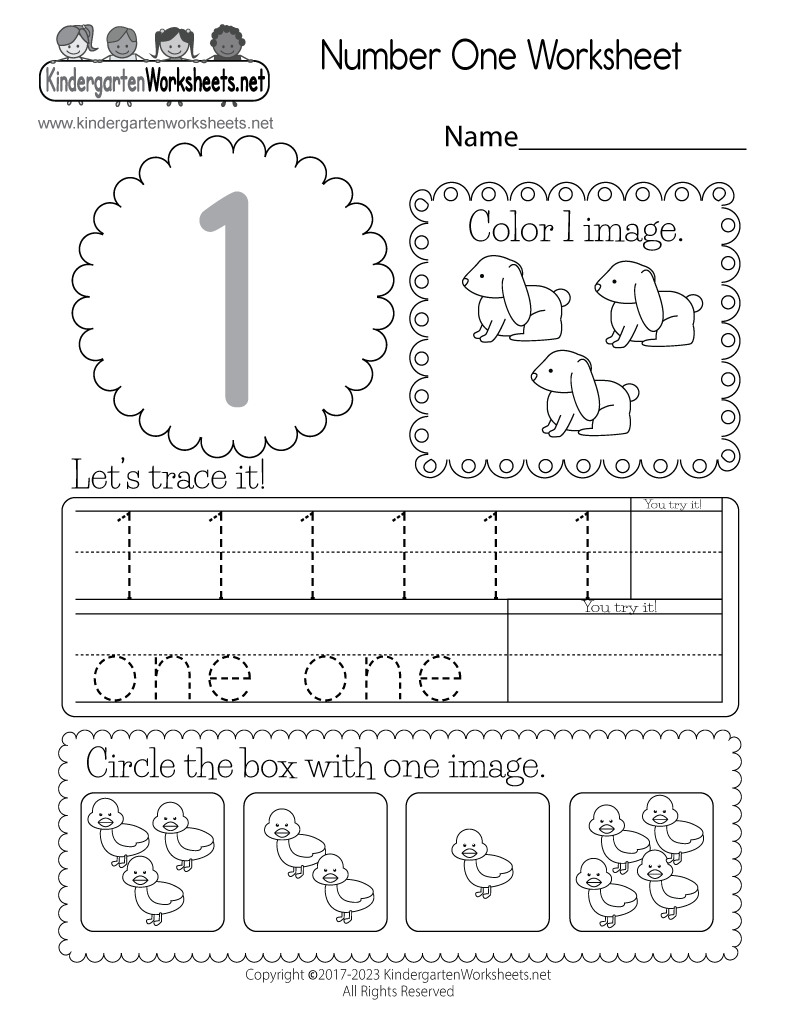
Many worksheets incorporate counting exercises where children are asked to count objects and trace the number one. Activities like these not only help with number recognition but also improve fine motor skills. Tracing the number helps solidify its shape in a child’s mind.
Coloring Activities
Coloring pages featuring the number one can be both fun and educational. These worksheets often include one item to color, like a single apple or a lone star, encouraging kids to focus on the concept of “one” while engaging their creativity.
Matching Games
Some worksheets include matching exercises where children match the numeral “1” with pictures of a single item. This reinforces the connection between the numeral and its quantity, helping to develop a strong understanding of basic math principles.
Fun Facts and Illustrations
Including fun facts or illustrations related to the number one can make the learning experience more enjoyable. For instance, a worksheet might feature a drawing of a solo cat, with the prompt asking children to write or say something about it. This encourages language development alongside math skills.
Tips for Using Number 1 Worksheets Effectively
When using Number 1 Worksheets for Kindergarten, consider these practical tips to maximize their effectiveness:
Keep it Interactive
Encourage children to discuss what they are doing on the worksheet. Ask questions like, “How many apples do you see?” or “Can you find the number one?” This dialogue helps reinforce their learning and keeps them engaged.
Use a Variety of Resources
While worksheets are a great tool, complement them with other resources like hands-on activities or games. For instance, use objects from around the house to count and compare with the worksheets, ensuring a well-rounded learning experience.
Create a Routine
Incorporating these worksheets into a daily or weekly routine can help children anticipate and enjoy their learning sessions. Setting aside a specific time for math activities can build a sense of structure and familiarity.
Be Flexible
Every child learns at their own pace. If a child struggles with a worksheet, don’t hesitate to modify it or provide additional support. The goal is to foster a love of learning, not to create frustration.
Where to Find Number 1 Worksheets
There are many online resources where you can find printable Number 1 Worksheets for Kindergarten. Websites specializing in educational materials often offer a range of options, from free downloads to more comprehensive packs for purchase. Some popular sources include:
- Educational resource websites
- Teacher blogs that share free printables
- Online marketplaces for educational materials
When selecting worksheets, look for those that are visually appealing and age-appropriate, ensuring they will capture the attention of young learners.
Printable Format and Setup Tips
When printing Number 1 Worksheets for Kindergarten, consider the following tips to ensure the best results:
Paper Type
Using cardstock for worksheets can be beneficial, especially if you plan to laminate them for repeated use. Cardstock is sturdier and can hold up better to wear and tear, making it an excellent choice for young children.
Printer Settings
If you’re using a home printer, ensure that you select the correct print settings. A portrait layout often works best for worksheets, as it closely resembles traditional workbook formats.
Download and Organization
When downloading worksheets, save them in a designated folder on your computer. This organization will make it easier to find and print them as needed. Consider categorizing them by skill level or subject to streamline your lesson planning.
Engaging Kids Beyond the Worksheet
While worksheets are valuable tools, it’s essential to extend learning beyond the paper. Here are a couple of activities that can reinforce the concepts found in Number 1 Worksheets for Kindergarten:
Counting Objects at Home
Incorporate counting into everyday activities. Whether it’s counting toys, snacks, or books, encourage children to practice the number one in real-life scenarios. This practical application helps solidify their understanding that numbers represent quantities.
Number Games
Play games that involve the number one, such as “I Spy” where kids look for one specific item in their environment. Games make learning fun and interactive, reinforcing the concepts learned through worksheets.









