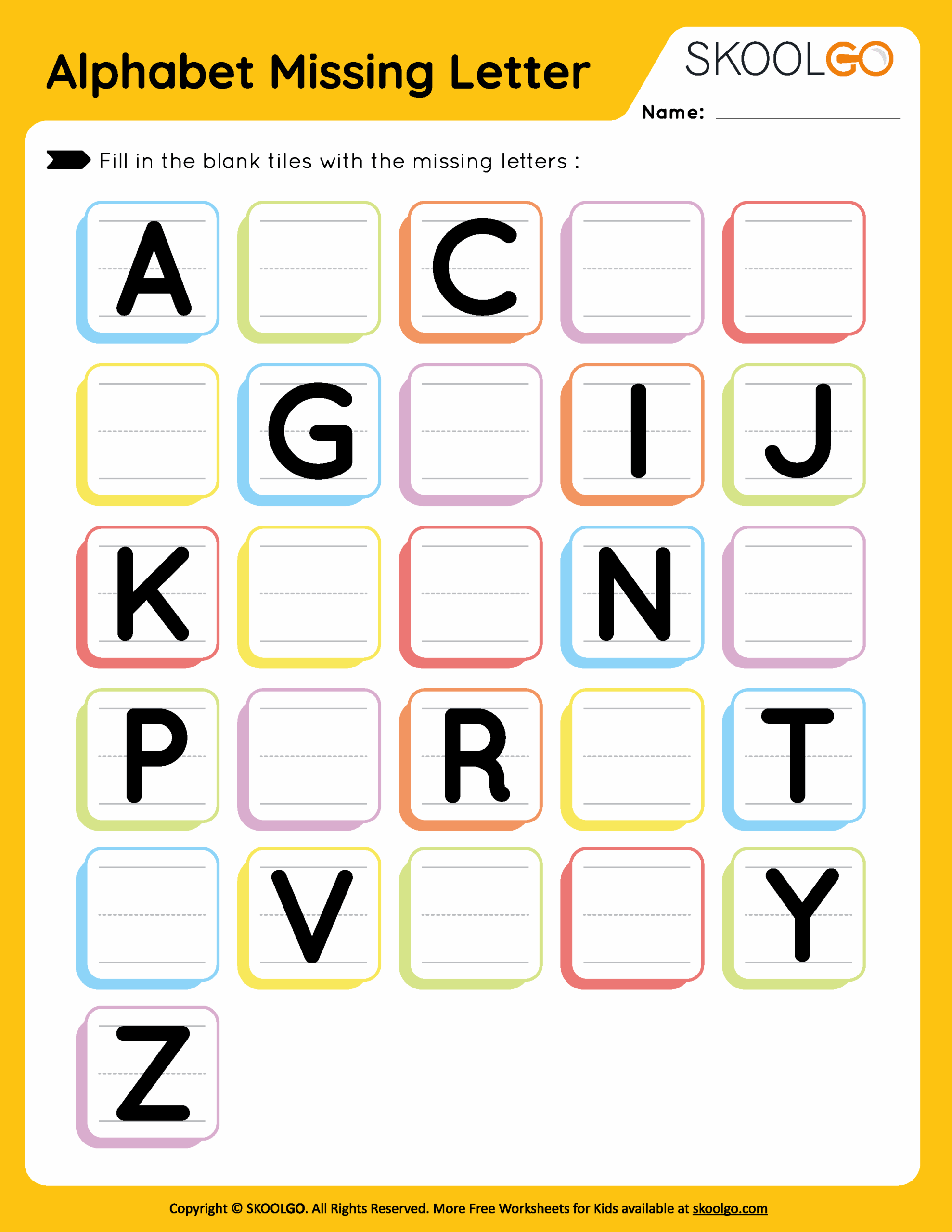
Missing Alphabet Worksheets For Kindergarten are essential tools for early childhood education, providing young learners with the opportunity to practice their letter recognition and writing skills. These worksheets are typically formatted in an easy-to-use PDF layout, allowing teachers and parents to print them out quickly and efficiently. In this guide, we’ll explore the various aspects of these worksheets, including their design, practical applications, and tips on how to effectively incorporate them into your teaching strategy.
Understanding the Importance of Missing Alphabet Worksheets
Missing Alphabet Worksheets are invaluable for kindergarten teachers and parents alike. By encouraging children to fill in missing letters, these worksheets target key skills such as letter recognition, spelling, and fine motor development. Engaging with these activities helps children grasp the concept of the alphabet, forming a solid foundation for their literacy journey.
For kindergarten students, the process of identifying and writing letters can be daunting. However, these worksheets break down the learning process into manageable steps, providing repeated practice that is crucial for retention. They typically feature a mix of uppercase and lowercase letters, ensuring that children become familiar with letter forms they will encounter in everyday reading and writing.
Layout and Design Features of the Worksheets
A well-designed Missing Alphabet Worksheet is crucial for effective learning. Here are some common layout features that enhance usability:
- Clear and Colorful Graphics: Engaging visuals can capture a child’s attention. Many worksheets incorporate fun images related to the alphabet (like animals or objects) next to the letters, making the activity more enjoyable.
- Spacious Formatting: Worksheets often have ample space for children to write, which is particularly important for developing fine motor skills. Lines or boxes guide students on where to write each letter.
- Varied Difficulty Levels: Some worksheets might focus on missing letters in simple words, while others could involve entire sentences. This variation allows educators to tailor lessons to meet the needs of their students.
- Printable Format: Most worksheets are available in PDF format, ensuring easy printing without any formatting issues. This is especially important for teachers who need to print multiple copies quickly.
Implementing Worksheets in the Classroom
Incorporating Missing Alphabet Worksheets into your teaching plan can be done in several ways. Here are some effective strategies to consider:
- Daily Practice: Set aside a few minutes each day for students to work on these worksheets. Consistency is key to reinforcing skills, so integrating them into your daily routine can yield significant benefits.
- Themed Activities: Align worksheets with themes or subjects being taught in class. For instance, if you’re discussing animals, use worksheets that feature animals next to letters they start with. This creates a cohesive learning experience.
- Group Work: Encourage collaboration by having students work in pairs or small groups. This not only makes the activity more engaging but also allows students to learn from one another.
- Assessment Tool: Use these worksheets as informal assessment tools. Review completed worksheets to gauge individual student progress and identify areas where additional support may be needed.
Maximizing Engagement With Additional Activities
To enhance the effectiveness of Missing Alphabet Worksheets, consider supplementing them with other engaging activities:
- Interactive Games: Incorporate games such as letter scavenger hunts or alphabet bingo. This can add an element of fun while reinforcing letter recognition.
- Arts and Crafts: Have students create their own alphabet books, where they can illustrate words that start with each letter. This reinforces their understanding and adds a creative outlet.
- Technology Integration: Utilize educational apps that focus on letter recognition and writing. Many apps offer interactive features that can complement worksheet activities.
Tips for Home Use
Parents can also effectively use Missing Alphabet Worksheets at home to support their children’s learning. Here are some practical tips:
- Create a Learning Routine: Establish a specific time each day for worksheet activities. This consistency helps children understand the importance of practice.
- Positive Reinforcement: Celebrate achievements, no matter how small. A simple sticker or verbal praise can boost a child’s confidence and encourage continued effort.
- Involve Family: Encourage siblings or parents to join in. This not only makes learning more enjoyable but also fosters family bonding through educational activities.
- Provide Varied Materials: Use different types of writing instruments (like colored pencils or markers) to keep the experience fresh and exciting for your child.









