Young learners thrive on exploration and hands-on activities, and what better way to spark their curiosity than with Free Science Worksheets For Kindergarten? These worksheets provide a fantastic opportunity for teachers and parents to introduce basic scientific concepts in a fun and engaging way. In this article, I’ll guide you through the various types of worksheets available, tips for optimal printing, and ways to effectively use these resources in your classroom or home.
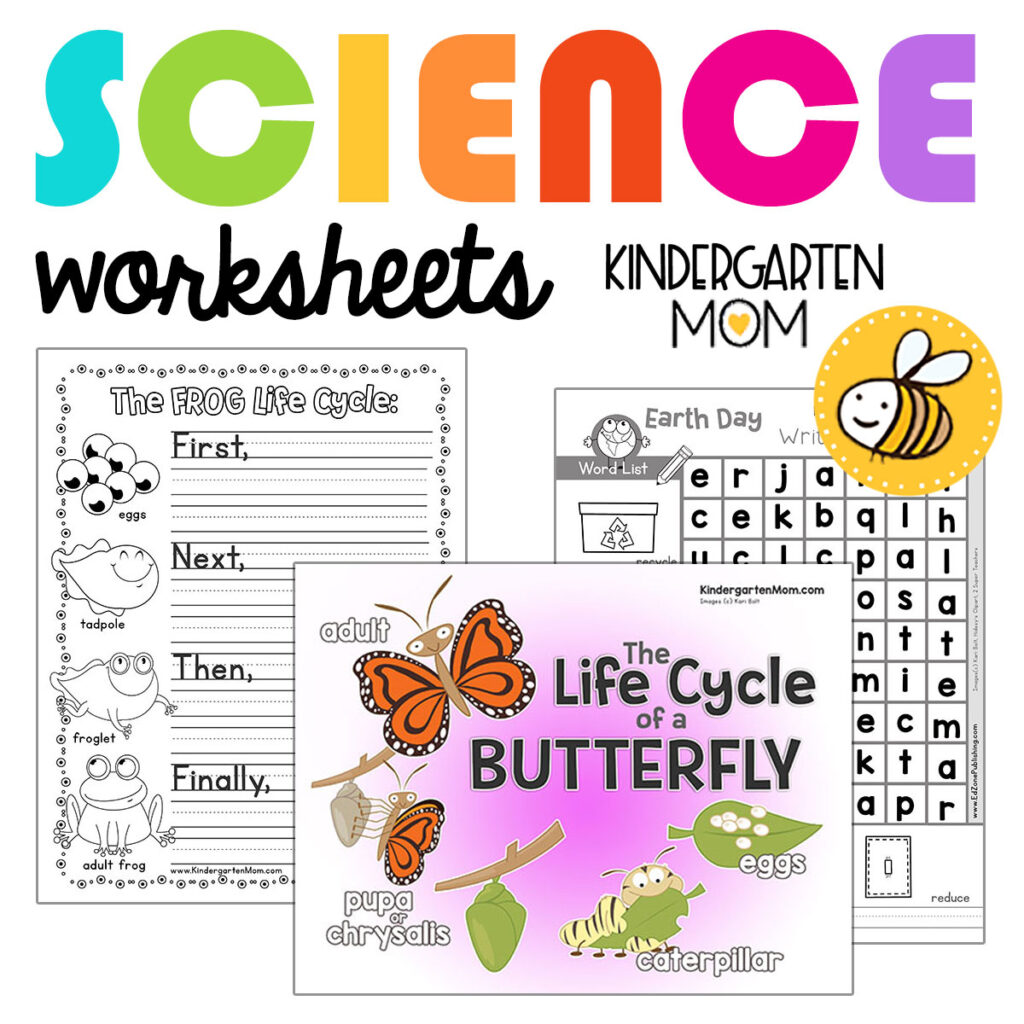
Types of Free Science Worksheets
When it comes to Free Science Worksheets For Kindergarten, variety is key. Different types of worksheets cater to various learning styles and interests. Here are some popular types:
1. Observation Worksheets
Observation worksheets encourage kids to explore their environment. These worksheets often include sections for drawing or writing what they see in nature. For example, children can observe plants, insects, or weather changes. You might find templates that ask questions like, “What colors do you see?” or “What sounds do you hear?”
2. Simple Experiments
Worksheets featuring simple experiments are a hit in kindergarten classrooms. These worksheets guide children through activities like growing a bean plant or mixing colors. They often include step-by-step instructions and spaces for children to record their predictions and results. Make sure to choose templates that are easy to follow, ensuring that young learners can grasp the scientific method.
3. Thematic Worksheets
Thematic worksheets focus on specific topics such as animals, plants, or the weather. They can include matching activities, fill-in-the-blank exercises, and drawing prompts related to the theme. For instance, a weather-themed worksheet might have kids draw the sun, rain, and clouds and label them. Thematic worksheets help kids make connections between science and the world around them.
4. Coloring Pages
Coloring pages are a fun way to introduce scientific concepts. Free Science Worksheets For Kindergarten often include coloring pages that depict various scientific themes, like the solar system or plant life cycles. Coloring helps improve fine motor skills while reinforcing subject matter in a relaxed manner.
Downloading and Printing Tips
Getting the most out of your Free Science Worksheets For Kindergarten means knowing how to download and print them effectively. Here are some practical tips:
File Formats
Most worksheets are available in PDF format, which is ideal for printing. PDFs maintain their formatting, ensuring that what you see on the screen matches what prints out. If you encounter image files, consider using a PDF converter to avoid any formatting issues.
Printer Settings
Before printing, check your printer settings. Use the “Actual Size” setting to ensure your worksheets print at the correct dimensions. If you’re using a home printer, portrait orientation usually works best for worksheets. For coloring pages or thematic sheets, consider using a higher quality print setting for vibrant colors.
Paper Choices
Choosing the right paper can elevate your worksheets. Standard printer paper is fine for most activities. However, if you plan to laminate the worksheets for durability, using cardstock is a better option. Cardstock holds up well and can withstand repeated use, especially if kids are using markers or crayons.
Engaging Students With the Worksheets
Once you’ve printed your Free Science Worksheets For Kindergarten, the next step is to engage your students with them. Here are some practical strategies:
Hands-On Activities
Pair worksheets with hands-on activities. For example, if you have an observation worksheet, take the kids outside to explore. Encourage them to use their worksheets to document their findings. This connection between the worksheet and real-world experiences enhances learning.
Group Work
Encourage collaboration by having students work in pairs or small groups. Group work not only makes learning fun but also fosters communication skills. You can assign specific tasks related to the worksheets, like sharing observations or presenting their findings to the class.
Display and Discuss
After completing the worksheets, create a display area for students to showcase their work. This not only boosts their confidence but also provides an opportunity for discussion. Ask open-ended questions about their observations and findings, encouraging critical thinking.
Adapting Worksheets for Different Learners
Every child learns differently, and adapting worksheets to meet individual needs can make a big difference. Here are some ways to modify worksheets:
Simplify Instructions
For younger or struggling learners, consider simplifying the language in the worksheets. Use clear, concise sentences and incorporate visuals to assist understanding. You can also provide a model or example for them to follow.
Provide Additional Resources
Some students may benefit from supplemental materials, such as videos or hands-on kits related to the science topic. These resources can deepen their understanding and make the lessons more engaging.
Extend Learning
For advanced learners, consider adding extensions to the worksheets. You can encourage them to conduct their own mini-experiments or research additional facts about the topic. This promotes independent learning and critical thinking.









