Color recognition worksheets for preschoolers are an engaging way to help young learners identify and understand colors. These worksheets often feature a variety of activities, from coloring pictures to matching colors with objects, making them a versatile tool in any educational setting. By incorporating these worksheets into your teaching strategies, you can foster a fun and interactive learning environment.
Understanding the Importance of Color Recognition
Color recognition is a foundational skill for preschoolers. It plays a significant role in cognitive development, as children learn to categorize and differentiate objects based on their colors. This skill not only supports later learning in areas such as reading and math but also enhances their ability to express themselves and communicate effectively.
Engaging preschoolers with color recognition worksheets allows them to practice this essential skill in a playful manner. They can explore different shades and hues, which helps them develop fine motor skills through activities like coloring and drawing.
Types of Color Recognition Worksheets
When selecting color recognition worksheets for preschoolers, consider various types to keep the activities fresh and exciting. Here are some common formats you might find:
Coloring Pages
Coloring pages are a classic choice. These worksheets often feature simple outlines of objects, animals, or scenes that children can color in. Look for pages with clear, bold lines and large areas for coloring to make it easier for little hands to fill in.
Matching Activities
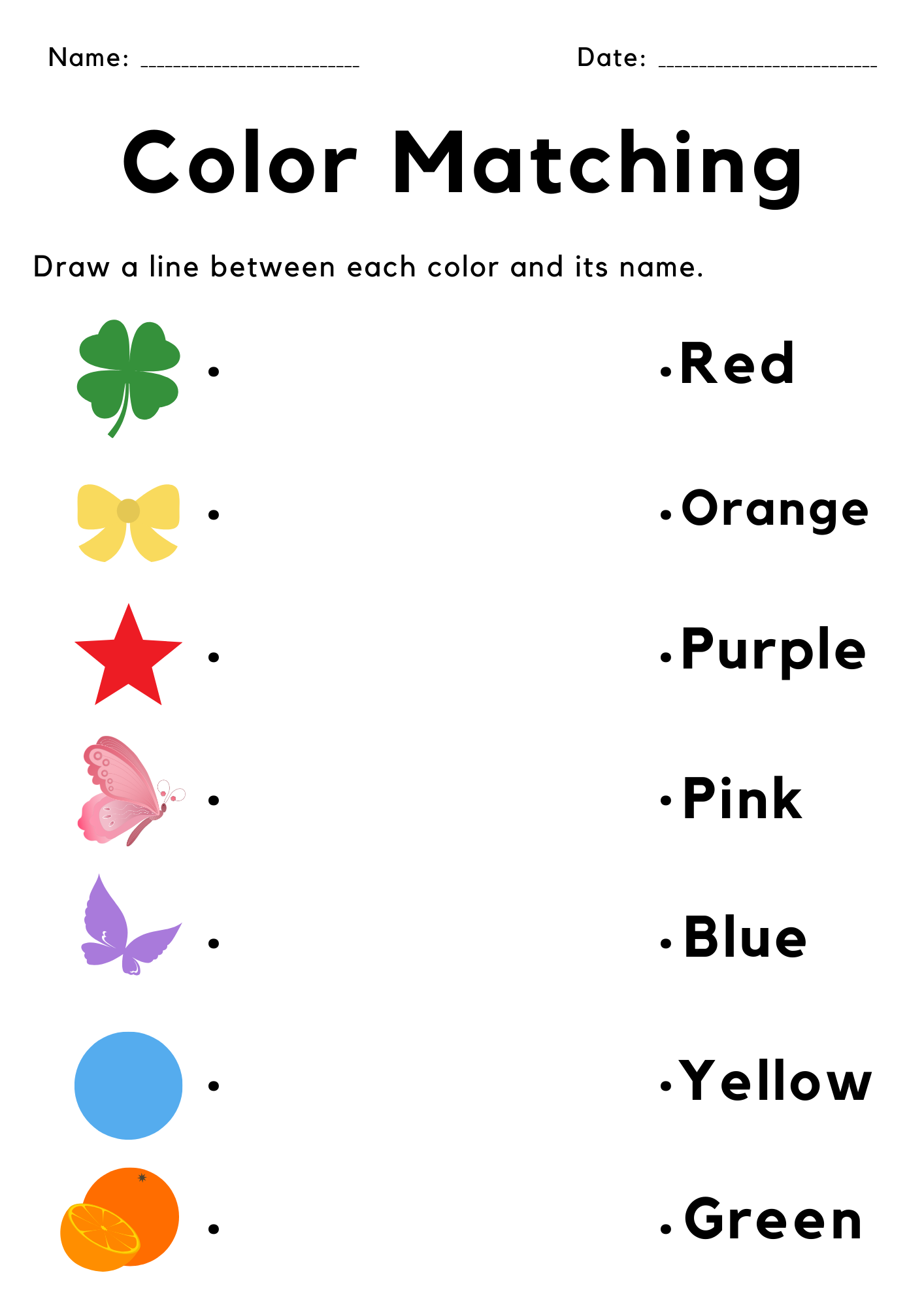
Matching worksheets typically involve pairing colors with corresponding objects. For example, children might match a red apple with a red circle. This activity not only reinforces color recognition but also encourages critical thinking as children determine the correct matches.
Color Sorting Worksheets
Sorting worksheets require children to categorize objects based on their colors. These can be designed as cut-and-paste activities where kids cut out colored shapes and glue them onto the correct color chart. This hands-on approach makes learning interactive and helps solidify their understanding of color differences.
Color by Number or Letter
Color by number or letter worksheets combine color recognition with number or letter identification. Children follow a guide that tells them which colors to use for specific numbers or letters, creating a fun and educational art project.
How to Choose the Right Worksheets
When selecting color recognition worksheets for preschoolers, keep the following factors in mind:
Age Appropriateness
Ensure the worksheets are suitable for preschool-aged children, typically ages 3 to 5. Look for simple designs and clear instructions that match their developmental stage.
Engaging Designs
Choose worksheets that feature bright colors, interesting illustrations, and engaging themes. Worksheets that incorporate popular characters or themes can capture the attention of young learners and make learning more enjoyable.
Variety of Activities
Opt for a mix of different types of worksheets to cater to various learning styles. Some children may prefer coloring, while others might enjoy matching or sorting activities. Providing a range of options helps maintain interest and encourages repeated practice.
Printing and Preparing the Worksheets
Once you’ve chosen the right color recognition worksheets for preschoolers, it’s time to prepare them for use. Here are some tips for printing and setting up the worksheets effectively:
Paper Type
Using the right paper can make a significant difference in the quality of the worksheets. For coloring pages, regular printer paper is often sufficient. However, if you anticipate using markers or watercolor, consider printing on heavier cardstock to prevent bleed-through.
Printer Settings
Adjust your printer settings for the best results. Portrait layout typically works well for worksheets, and selecting high-quality print settings can enhance the clarity of the images, making it easier for children to color within the lines.
Lamination for Longevity
If you’re planning to use the worksheets multiple times, consider laminating them. Laminated sheets can be used with dry-erase markers, allowing children to practice color recognition repeatedly without wasting paper.
Creative Ways to Use Color Recognition Worksheets
Incorporating color recognition worksheets into your teaching can be tailored to suit various activities. Here are some creative ideas:
Group Activities
Use worksheets as part of group activities. Set up stations where children can rotate through different tasks, such as coloring, matching, and sorting. This approach encourages collaboration and social interaction among peers.
At-Home Learning
Color recognition worksheets are also excellent for at-home learning. Parents can print these resources and engage their children in fun activities, reinforcing skills learned in preschool.
Thematic Units
Integrate color worksheets into thematic units. For instance, during a unit on animals, use worksheets that feature colorful animal illustrations. This contextual learning can help children remember colors associated with specific themes.
Seasonal Activities
Align worksheets with seasons or holidays. For example, use autumn-themed worksheets with leaves in different colors or spring worksheets featuring flowers. This not only teaches colors but also connects learning with the world around them.









