The Letter And Sound Recognition Worksheets available for download offer a unique approach to help young learners develop essential phonics skills. Unlike traditional worksheets that may come off as dry or uninspiring, these resources are designed with engaging visuals and practical activities that make learning enjoyable. Each worksheet is carefully crafted to facilitate letter recognition and sound association, providing a solid foundation for reading.
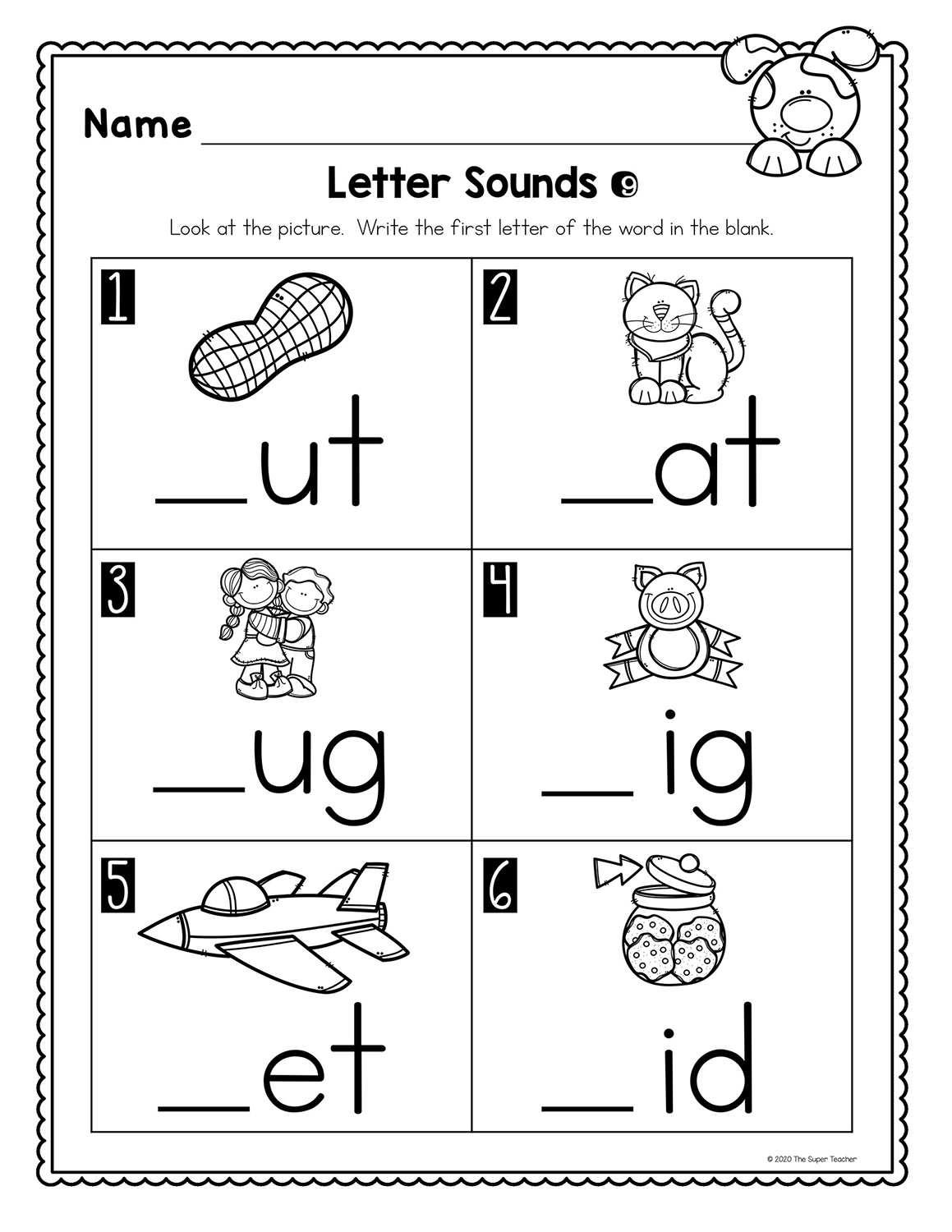
Overview of Letter And Sound Recognition Worksheets
These worksheets typically consist of a variety of activities aimed at reinforcing the connection between letters and their corresponding sounds. You’ll find tasks like matching letters to pictures, tracing letters, and filling in missing letters in words. The layout is user-friendly, often featuring colorful graphics that capture students’ attention. This makes the worksheets suitable for preschool and kindergarten classrooms where visual engagement is crucial.
The worksheets are generally organized by letter, starting from A and progressing through to Z. This structured approach allows teachers to introduce one letter at a time, making it easier for students to absorb the information without feeling overwhelmed.
Key Features of the Worksheets
Engaging Layout
The design of these worksheets plays a significant role in their effectiveness. Bright colors and playful fonts are used to attract young learners. Worksheets often include sections that allow children to color images or draw lines connecting letters to corresponding sounds. This interactive element keeps students engaged and makes the learning experience more enjoyable.
Variety of Activities
A strong point of the Letter And Sound Recognition Worksheets is the variety of activities included. Here are some common types you might find:
- Letter Tracing: Students can practice writing letters while simultaneously learning their sounds.
- Picture Matching: This activity involves matching letters with images that begin with the same sound.
- Sound Sorting: Children sort pictures or words based on their starting sounds, which helps reinforce sound recognition.
Age Appropriateness
These worksheets are primarily aimed at preschool and kindergarten-aged children, typically ranging from ages 3 to 6. The tasks are designed to be developmentally appropriate, ensuring that they are neither too easy nor too challenging for young learners. Teachers can confidently use these resources to meet their students’ varying levels of readiness.
Benefits of Using Letter And Sound Recognition Worksheets
Using Letter And Sound Recognition Worksheets can dramatically enhance phonics instruction in early education settings. Here are some benefits to consider:
Reinforces Phonemic Awareness
Phonemic awareness is critical for reading success. These worksheets provide practice opportunities that help children hear, identify, and manipulate sounds in spoken words. By associating letters with sounds, students build the necessary skills to decode words effectively.
Encourages Independent Learning
The worksheets are designed for individual use, which encourages students to work independently. This autonomy fosters a sense of accomplishment as they complete each task on their own. Teachers can use these worksheets as a part of center activities or as homework assignments.
Easy to Implement
Teachers appreciate the straightforward implementation of these worksheets. They can easily be printed and distributed, requiring little to no preparation time. This convenience allows educators to focus their energy on teaching rather than on resource creation.
Tips for Using the Worksheets Effectively
To maximize the impact of Letter And Sound Recognition Worksheets, here are some practical strategies you might find helpful:
Incorporate Multi-Sensory Activities
While the worksheets are a fantastic resource, consider pairing them with multi-sensory activities. For example, using letter blocks or magnetic letters can enhance tactile learning. Singing songs that emphasize letter sounds can also reinforce the concepts being taught.
Use in Small Groups
Small group instruction allows for more personalized teaching. Grouping students by skill level can help tailor the use of the worksheets to meet their specific needs. This setup also fosters peer interaction, which can further enhance learning.
Regularly Assess Progress
Tracking student progress is essential to ensure that the worksheets are effective. Keep a record of which letters students are mastering and which ones they struggle with. This data can guide future instruction and help identify areas that may need additional focus.
Where to Find Quality Letter And Sound Recognition Worksheets
There are many online resources where you can find quality Letter And Sound Recognition Worksheets. Websites dedicated to educational materials often offer free or low-cost downloads. Look for sites that provide a variety of activities and formats to keep the learning experience fresh and engaging.
Printable Formats
When selecting worksheets, consider the format. Printable PDF files are often the best choice, as they maintain their layout across different devices and printers. Ensure that the worksheets are designed for standard paper sizes (like 8.5 x 11 inches) for easy printing.
Customization Options
Some resources allow for customization, enabling teachers to modify worksheets to better suit their classrooms. This is particularly useful for addressing different learning styles or incorporating specific themes relevant to your students.









