Engaging children in learning activities can be both fun and educational, especially with Dot To Dot Worksheets For Kindergarten. These worksheets not only entertain young learners but also help develop crucial fine motor skills and number recognition. Available in various designs and themes, these printable resources are a great addition to any kindergarten curriculum.
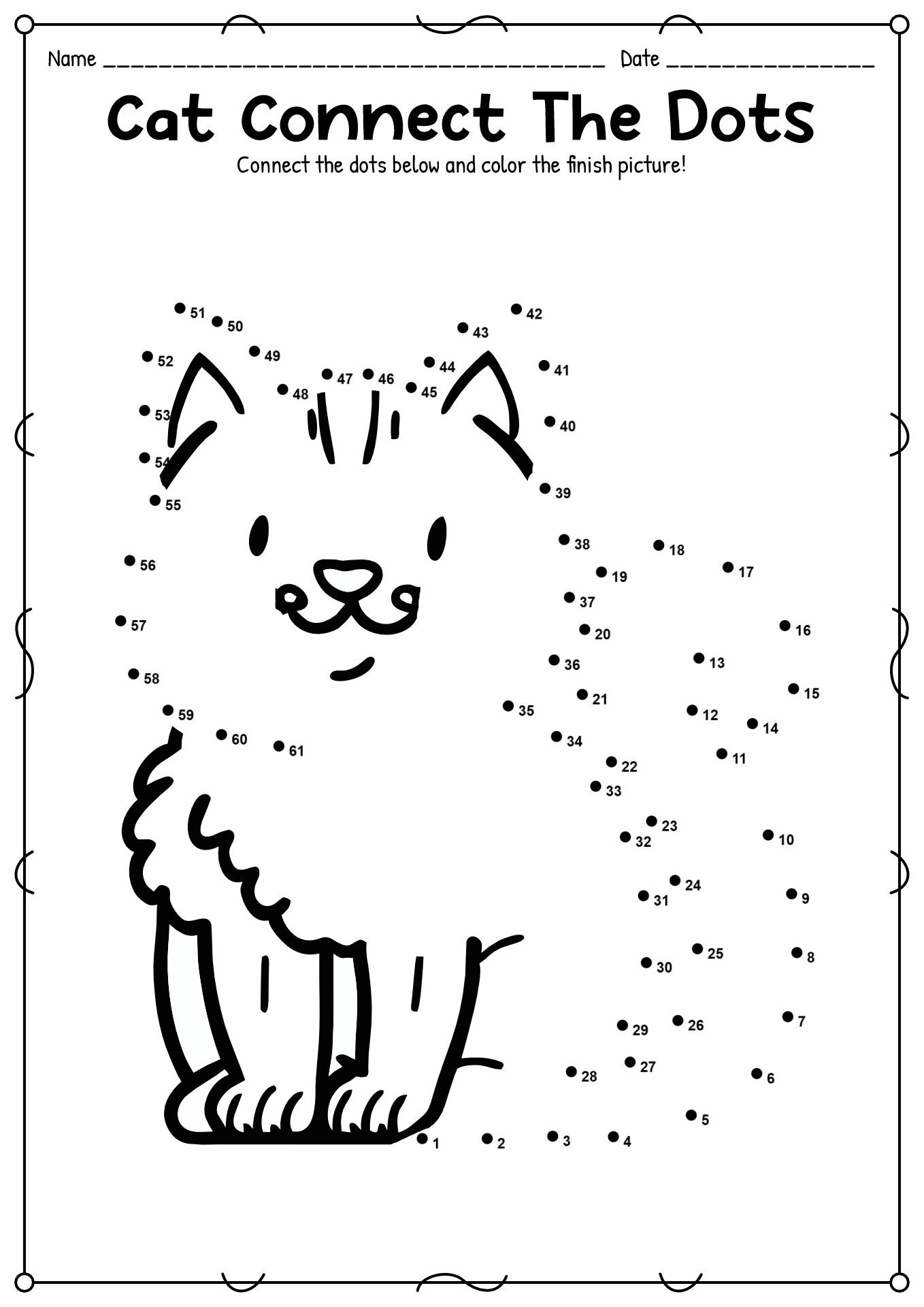
Benefits of Dot To Dot Worksheets
Dot to dot worksheets serve multiple purposes in the early education environment. Here are some key benefits:
- Fine Motor Skills Development: Connecting dots requires children to use their pencils or crayons with precision, improving their grip and control. This is fundamental for later writing skills.
- Number Recognition: These worksheets typically include number sequences, helping children practice counting while engaging in a fun activity.
- Cognitive Skills: Completing dot to dot activities encourages children to follow instructions and develop problem-solving skills as they visualize the image being created.
- Creativity and Imagination: Many dot to dot worksheets feature animals, objects, or characters that can spark creativity. Once completed, children can color the images, enhancing their artistic expression.
- Focus and Patience: Completing these worksheets requires concentration and persistence, teaching children the value of finishing a task.
Choosing the Right Dot To Dot Worksheets
When selecting Dot To Dot Worksheets for kindergarten, consider the following factors:
Age Appropriateness
Ensure the worksheets are suitable for kindergarteners. Look for designs that feature fewer dots and simpler images for younger children. As they progress, introduce more complex worksheets.
Variety of Themes
Children often enjoy themes that resonate with their interests. Choose worksheets featuring animals, seasonal themes, or popular characters to keep them engaged.
Difficulty Levels
Worksheets often vary in difficulty. Some might focus on numbers 1 to 10, while others might extend to 20 or beyond. Start with simpler worksheets and gradually increase the difficulty as children gain confidence.
Print Quality
Ensure the worksheets are designed for clear printing. High-contrast images will stand out better, making it easier for children to see the dots they need to connect.
Downloading and Printing Dot To Dot Worksheets
Once you’ve selected the right worksheets, it’s time to download and print them. Here’s how to do it efficiently:
File Formats
Most printable resources come in PDF format, which is ideal for maintaining the original layout when printed. PDFs are widely compatible with different devices and ensure that images do not distort.
Printer Setup
- Printer Type: Inkjet printers are commonly used for printing worksheets. They provide vibrant colors and clear images, making the dot to dot activity visually appealing.
- Paper Size: Standard letter-size paper (8.5″ x 11″) is typically used. Ensure your printer settings are set to this size to avoid any cropping of the images.
- Quality Settings: For best results, set the printer quality to a higher setting. This ensures that lines are sharp and easily visible for young learners.
Paper Choices
The choice of paper can affect how well the worksheets hold up to use. Here are a few recommendations:
- Standard Copy Paper: Good for general use, but may not be as durable if children are using crayons or markers.
- Cardstock: Thicker and more durable, cardstock is ideal for worksheets that will be reused or laminated for long-term use.
- Laminated Sheets: For a more permanent solution, consider laminating the worksheets. This allows children to use dry-erase markers to connect the dots, making it reusable.
Integrating Dot To Dot Worksheets Into Learning Activities
Dot to dot worksheets can be effectively integrated into broader learning activities. Here are some ideas:
Group Activities
Use these worksheets in group settings. Children can work together to complete larger dot to dot images, fostering teamwork and collaboration.
Thematic Learning
Combine dot to dot activities with thematic units. For example, if studying animals, choose dot to dot worksheets featuring animal images. This reinforces learning and makes it more engaging.
Follow-Up Activities
After completing a worksheet, encourage children to color their pictures. This can lead to discussions about colors, shapes, or the animals they just connected.
Home Learning
Parents can use these worksheets as part of home learning. They provide a fun, low-pressure way to reinforce skills taught in school.
Where to Find Dot To Dot Worksheets For Kindergarten
There are numerous online resources where teachers and parents can find high-quality dot to dot worksheets:
- Printable Resource Websites: Many sites offer free and paid downloadable worksheets specifically designed for kindergarten.
- Educational Blogs: These often share curated lists of resources and may include unique designs not found elsewhere.
- Teacher Resource Centers: Some local education centers provide printables for teachers, often focusing on state-specific curriculum standards.
Important Considerations
While dot to dot worksheets are a fantastic tool, keep in mind:
- Supervision: Young children should be supervised while using materials that require fine motor skills to ensure they are using them safely.
- Encouragement: Celebrate their achievements, no matter how small. Encouragement goes a long way in building confidence in young learners.
- Variety: To maintain interest, mix dot to dot worksheets with other activities such as coloring, puzzles, or hands-on crafts.
Dot to dot worksheets for kindergarten can be a valuable addition to both classroom and home learning environments. By selecting the right designs, properly preparing them for use, and integrating them into broader learning activities, teachers and parents can enhance children’s learning experiences and keep them engaged in their educational journey.









