Coloring pages can be a fantastic way to engage students, especially when they combine learning with creativity. The Addition And Subtraction Coloring Pages stand out in a crowded market, offering a unique blend of colorful illustrations and educational content that can make math more enjoyable for young learners. These pages are designed to help students practice basic math skills while expressing their artistic side, making them a perfect resource for teachers and parents alike.
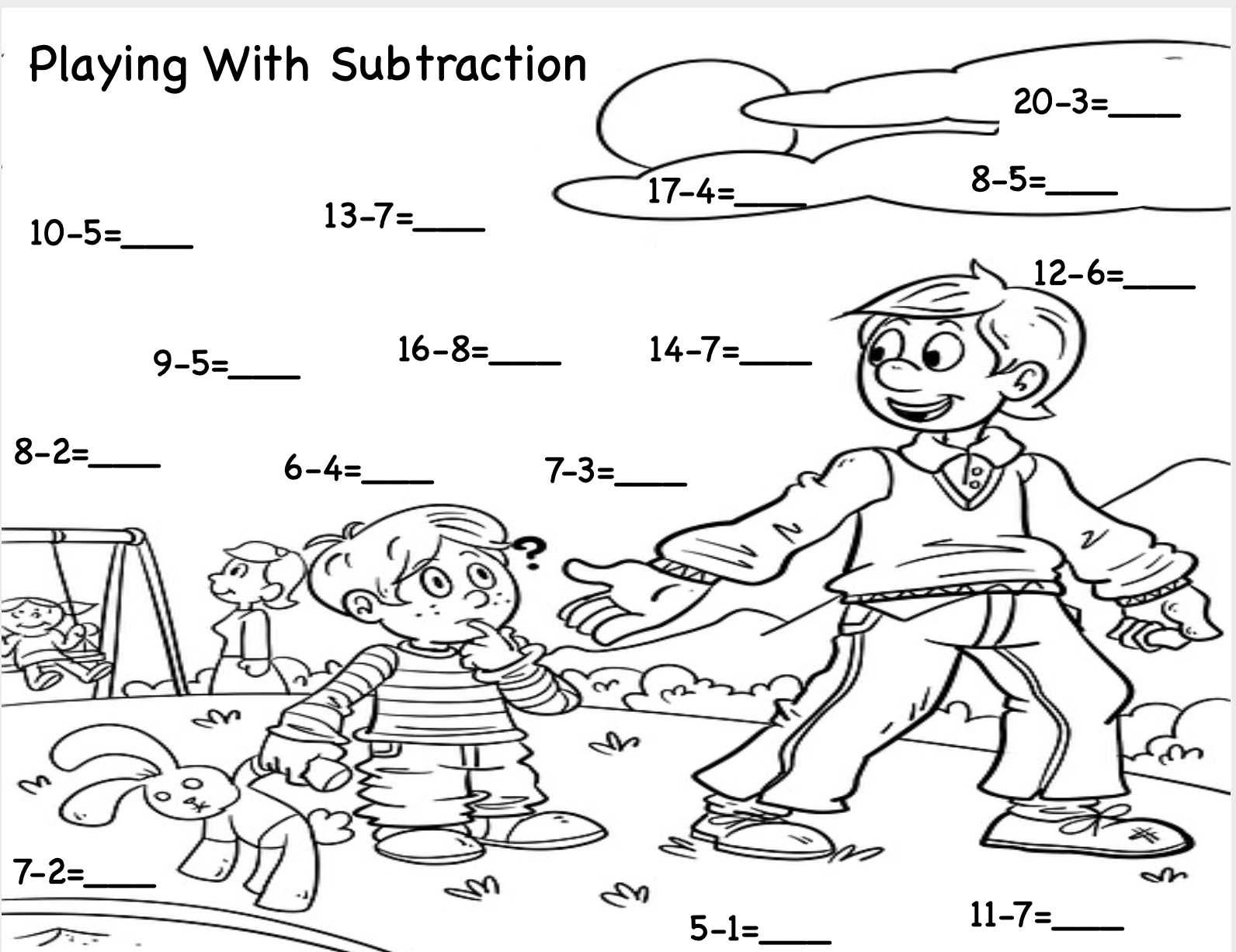
Understanding the Layout of Addition And Subtraction Coloring Pages
When you first look at these coloring pages, you’ll notice they are structured to facilitate both learning and creativity. Typically, each page features a clear illustration that is divided into sections, with each section corresponding to a simple addition or subtraction problem.
For example, a coloring page might depict a garden where each flower’s color is determined by the answer to a math problem. If the problem is 2 + 3, the student would color that flower red. This layout encourages kids to solve the problems first before they can bring their artwork to life, reinforcing their understanding of the concepts.
Design Elements
The design elements of these coloring pages are intentionally chosen. You’ll often find:
- Bold outlines that are easy for young children to color within.
- Clear numbering or symbols that correspond to specific colors, guiding the students on how to complete the image.
- Themes that are appealing to children, such as animals, nature, or holiday motifs.
These aspects not only make the pages visually appealing but also help keep students focused and motivated.
Choosing the Right Materials for Coloring
Selecting the right materials for coloring can significantly impact the experience. Here are a few options to consider:
- Crayons: These are a classic choice, especially for younger students. They are easy to grip and less messy than other options. However, they might not provide the vibrant colors that markers do.
- Markers: If you want bright, bold colors, markers are the way to go. They can cover larger areas quickly and produce vivid results. Be mindful of bleed-through, especially on thinner paper.
- Colored Pencils: They offer control for detailed coloring and are less likely to bleed through the paper. Colored pencils can also be used to blend colors for more artistic effects, which can be a fun addition to the coloring process.
Paper Considerations
The type of paper you choose can affect how well the coloring pages hold up during use. Here are some tips:
- Standard printer paper (20 lb): This works fine for crayons, but may not hold up well with markers.
- Cardstock (65 lb or higher): This is a great option for all types of coloring tools and is less likely to tear during vigorous coloring sessions. It also helps prevent bleed-through when using markers.
Creative Uses Beyond Coloring
While the primary purpose of these Addition And Subtraction Coloring Pages is to practice math skills, there are creative uses that can enhance learning:
- Group Activities: Distribute different coloring pages to small groups and have them work together to solve the problems. Once completed, they can display their artwork in the classroom.
- Math Centers: Create a math center where students can choose from various coloring pages as a reward for completing their assignments. This can motivate students to engage more with their math work.
- Home Learning: Parents can use these pages for at-home learning. They can set up a fun coloring session where children solve problems while parents assist, reinforcing the learning experience.
Downloading and Printing Tips
To ensure a seamless experience when using Addition And Subtraction Coloring Pages, consider the following tips for downloading and printing:
- File Format: Look for PDF versions of the coloring pages. PDFs maintain their formatting across different devices and are less likely to have issues when printing.
- Printer Settings: Use standard print settings for most coloring pages, but adjust the scale if necessary. Portrait layout tends to work better for most home printers.
- Test Print: Before printing a stack for a classroom or home use, do a test print on regular paper. This helps you check that the layout is correct and that there are no unexpected print issues.
- Quality of Paper: If you’re using markers or colored pencils, opt for heavier paper like cardstock to avoid bleed-through. For crayons, standard printer paper is sufficient.
Enhancing Engagement Through Coloring
Incorporating Addition And Subtraction Coloring Pages into your teaching strategy can significantly boost student engagement. The combination of art and math makes learning less intimidating and more fun.
Consider integrating these pages into lessons:
- Warm-Up Activities: Start your class with a short coloring session to ease students into the day. It can serve as a calming activity that transitions them into more rigorous subjects.
- Homework Assignments: Assign coloring pages as homework after introducing addition and subtraction concepts in class. This reinforces what they learned while allowing for a creative outlet.
- Assessment Tool: Use the completed coloring pages as informal assessments. You can assess not only their math skills based on the accuracy of their answers but also their ability to follow instructions in coloring.
In summary, Addition And Subtraction Coloring Pages offer a multifaceted approach to learning. They are not just tools for practicing math skills; they also unleash creativity, foster collaboration, and provide a calming activity. With the right materials and thoughtful integration into lessons, these pages can turn math into a vibrant, enjoyable subject for students. Consider employing them in your classroom or at home to make learning feel less like a chore and more like an adventure.









