Coloring is a delightful and engaging activity that can help children learn about shapes and colors while providing relaxation and mindfulness opportunities for adults. Shapes And Colors Coloring Pages are a fantastic resource for teachers, parents, and caregivers looking to incorporate art into learning. In this guide, you’ll discover how to effectively use these coloring pages in a classroom or home setting, ensuring that everyone can enjoy the benefits of creativity and education.
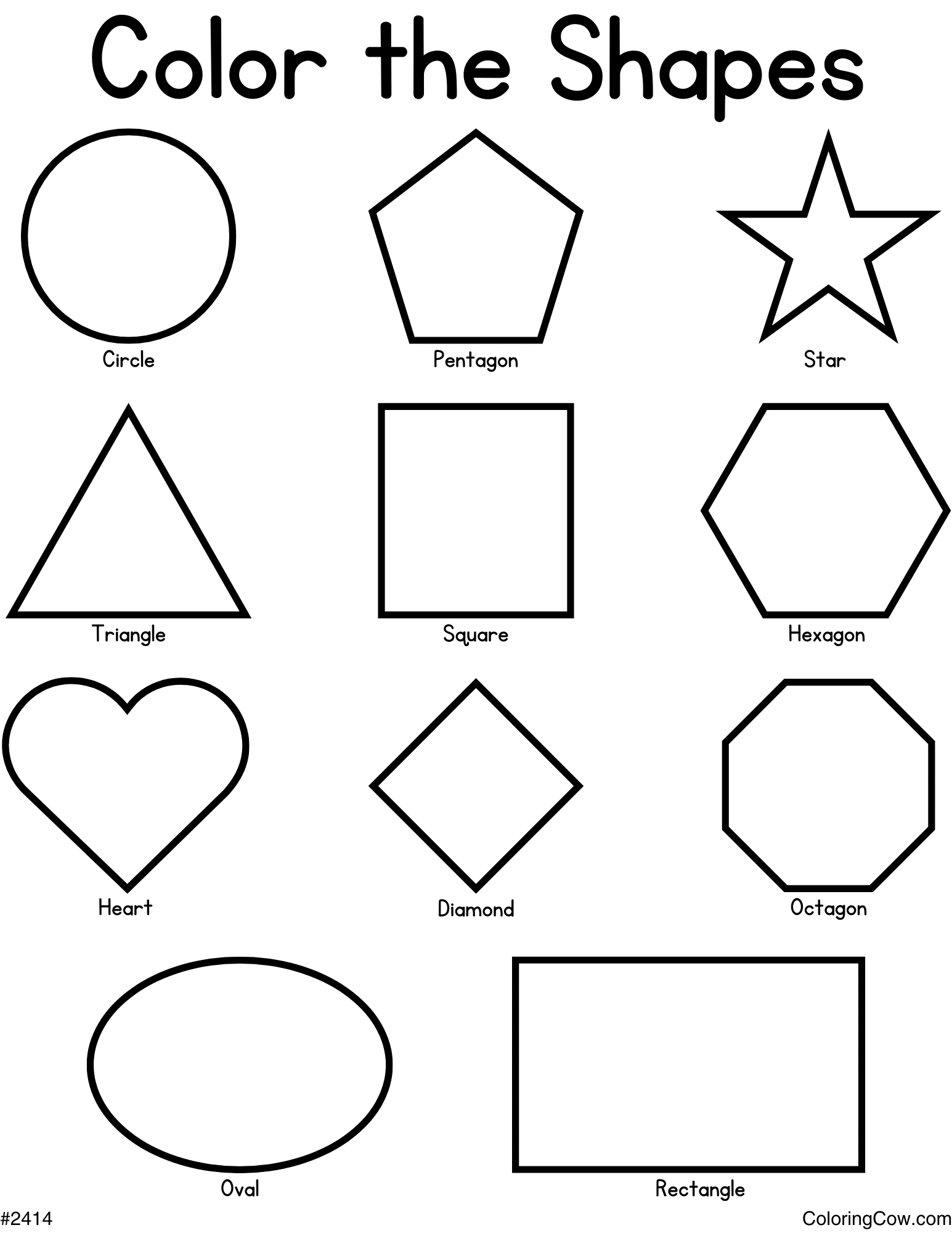
Understanding Shapes And Colors Coloring Pages
Shapes And Colors Coloring Pages typically feature a variety of geometric shapes, such as circles, squares, triangles, and more, often accompanied by their corresponding colors. These pages can serve multiple purposes: they can help young learners recognize and differentiate shapes, practice fine motor skills, and express their creativity. Using these coloring pages also supports cognitive development by reinforcing color recognition and spatial awareness.
When selecting coloring pages, consider the age group of your students or children. For preschoolers, simpler designs with bold shapes are preferable, while older children may benefit from more intricate patterns that challenge their creativity and concentration.
How to Use Shapes And Colors Coloring Pages in the Classroom
In a classroom setting, Shapes And Colors Coloring Pages can be an effective tool for various activities. Here’s a step-by-step guide to incorporating them into your lessons:
- Introduce the Topic: Begin by discussing shapes and colors with your students. Ask questions like, “What shapes do you see around us?” or “Can you name some colors?” This introduction sets the stage for the coloring activity.
- Distribute Coloring Pages: Provide each student with a Shapes And Colors Coloring Page. Ensure that the pages are printed on standard A4 or letter-sized paper for easy handling.
- Demonstrate Coloring Techniques: Show students different coloring techniques, such as shading or blending colors. Encourage them to experiment with color combinations.
- Encourage Discussion: As students color, circulate around the classroom to engage them in conversation about their choices. Ask them about the colors they are using and what shapes they are coloring. This interaction not only reinforces their learning but also builds their confidence.
- Display Finished Work: Once the coloring is complete, display the finished pages around the classroom or create a bulletin board dedicated to shapes and colors. This not only showcases their work but also fosters a sense of community and pride.
Creative Uses for Shapes And Colors Coloring Pages at Home
For parents or caregivers, Shapes And Colors Coloring Pages can be a wonderful tool for home learning. Here are some creative ways to use these pages at home:
- Relaxation Time: Coloring can be a calming activity for both children and adults. Set aside a quiet time each week for family coloring sessions. Provide a variety of coloring materials, such as crayons, markers, and colored pencils.
- Themed Learning Activities: Pair coloring pages with themed activities. For example, after coloring, you could have a snack that matches the colors they used. If they colored a blue circle, perhaps they could enjoy blueberries or a blue drink.
- Color Recognition Games: Turn coloring into a game by asking children to find items around the house that match the colors they are using. This reinforces their understanding of colors in the real world.
- Art Projects: Use the colored pages as a base for further art projects. For example, once colored, they can be cut out and used in collages or mixed media projects.
Printing Tips for Shapes And Colors Coloring Pages
To make the most out of your Shapes And Colors Coloring Pages, follow these printing tips:
- Paper Type: Use high-quality paper or cardstock for your coloring pages. Cardstock is more durable and can withstand different coloring mediums without bleeding through.
- Printer Settings: Set your printer to “best quality” to ensure that the colors print vibrantly. If you’re using a color printer, make sure to check the ink levels beforehand.
- Orientation: Most coloring pages will print best in portrait orientation, but some may be designed for landscape. Always check the layout in your print preview before printing.
- Multiple Copies: Since coloring pages can be used repeatedly, consider printing multiple copies. This is particularly useful in a classroom where students may want to try different color combinations or techniques.
Benefits of Using Shapes And Colors Coloring Pages for Adults
While Shapes And Colors Coloring Pages are primarily geared toward children, they also offer benefits for adults. Engaging in coloring activities can serve as a form of mindfulness and stress relief. Here’s how adults can benefit from this activity:
- Mindfulness Practice: Coloring requires focus and concentration, making it an excellent way to practice mindfulness. Set aside time to color without distractions, allowing your mind to relax and wander.
- Creative Expression: Adult coloring encourages creativity. Choose your colors based on your mood or feelings, and let your imagination guide you.
- Social Interaction: Organizing adult coloring nights can be a fun way to socialize. Invite friends over, provide coloring supplies, and enjoy each other’s company while coloring.
- Skill Development: Coloring can enhance fine motor skills and hand-eye coordination, which are important at any age. This can be particularly beneficial for adults recovering from injuries or those looking to improve dexterity.
Choosing the Right Shapes And Colors Coloring Pages
When selecting Shapes And Colors Coloring Pages, consider the following factors:
- Complexity: Choose pages that match the skill level of your audience. For younger children, opt for simpler designs, while older kids and adults may enjoy more intricate patterns.
- Themes: Look for coloring pages that incorporate seasonal themes, holidays, or popular characters. This can increase engagement and excitement about the activity.
- Variety: Ensure a mix of shapes and colors in the coloring pages to keep the activity fresh and interesting. This variety will help maintain attention and enthusiasm.
- Accessibility: When sourcing coloring pages online, ensure they are available in a printable format, such as PDF. This format typically maintains quality and layout better than images.
By thoughtfully selecting and utilizing Shapes And Colors Coloring Pages, you can create enriching experiences for children and adults alike, fostering creativity, mindfulness, and learning in a fun, engaging way. Whether in a classroom or at home, these coloring pages are a versatile resource that can adapt to many educational and creative needs. Consider integrating them into your activities for a creative boost.









