Practicing handwriting is a fundamental skill for young learners, and Lower Case Letter Tracing Worksheets provide an excellent way to develop this ability. These worksheets not only help children familiarize themselves with the shapes of lowercase letters but also improve their fine motor skills as they learn to control their writing instruments. In this article, we will explore how to effectively use these worksheets in classroom or home settings, making the learning process both fun and educational.
Understanding the Importance of Tracing Worksheets
Lower case letter tracing worksheets are essential tools in early childhood education. They serve multiple purposes:
- Letter Recognition: As children trace letters, they become more familiar with the alphabet, which is crucial for reading readiness.
- Fine Motor Skills Development: Tracing helps strengthen the small muscles in children’s hands, preparing them for independent writing later on.
- Confidence Building: Completing worksheets provides a sense of accomplishment, motivating children to practice more.
By integrating these worksheets into your lesson plans, you can create a structured environment that fosters learning and engagement.
How to Introduce Lower Case Letter Tracing Worksheets
When you’re ready to introduce Lower Case Letter Tracing Worksheets, consider the following steps to ensure a smooth experience:
- Choose the Right Time: Find moments in your daily schedule that are conducive to focused learning. Early mornings or right after a snack can be ideal times for short, concentrated practice sessions.
- Set Up a Comfortable Workspace: Ensure each child has a well-lit area with minimal distractions. Use a flat surface for writing, and provide pencils or crayons that are easy to grip.
- Demonstrate the Activity: Before distributing the worksheets, demonstrate how to trace the letters. Show children how to hold their writing tools correctly and guide them through the first few letters.
- Encourage Independent Practice: After the demonstration, allow children to work independently. Walk around the room to offer support and encouragement as they trace the letters.
- Provide Feedback: Praise their efforts and point out improvements. This positive reinforcement can boost their motivation to continue practicing.
Types of Lower Case Letter Tracing Worksheets
Different types of Lower Case Letter Tracing Worksheets can cater to various learning styles and needs. Here are some popular formats:
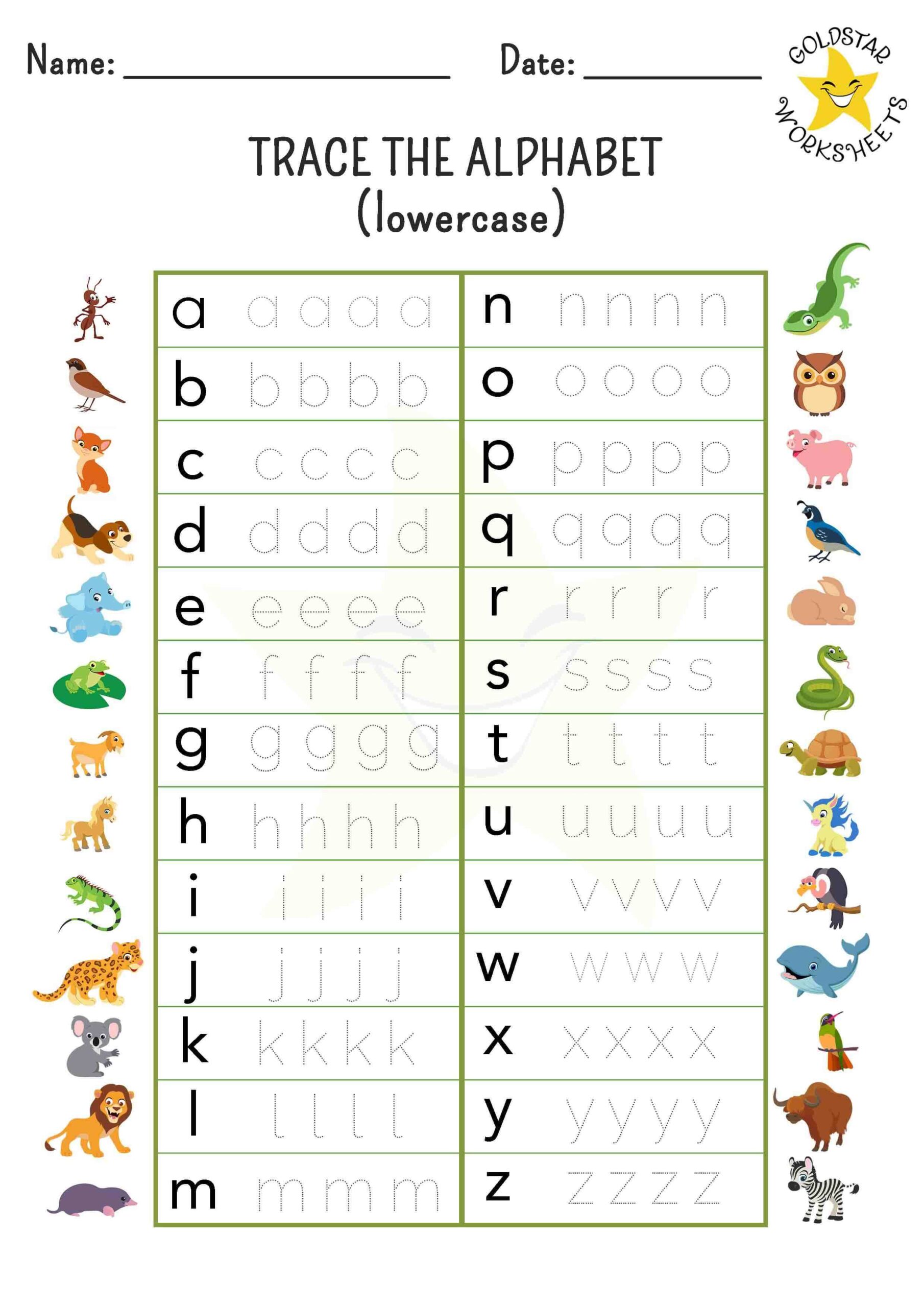
- Traditional Tracing Worksheets: These worksheets feature dotted outlines of lowercase letters that children can trace over. They’re straightforward and effective for initial practice.
- Interactive Worksheets: Some worksheets include images that correspond to each letter, encouraging children to trace and then color in the pictures. For instance, they might trace the letter “a” and then color an apple.
- Blank Worksheets: Once children become comfortable with tracing the letters, blank worksheets can be introduced. These require students to write the letters independently, reinforcing what they’ve learned.
- Themed Worksheets: Incorporating themes can make tracing more engaging. For example, holiday-themed worksheets can be used around Christmas or Halloween, incorporating festive graphics.
Incorporating Tracing Worksheets Into Lesson Plans
Integrating Lower Case Letter Tracing Worksheets into your lesson plans can enhance your curriculum. Here are some practical ways to do so:
- Daily Practice: Consider a brief daily handwriting session where students complete one or two worksheets. Consistent practice helps reinforce learning.
- Center Activities: If you’re teaching in a classroom, set up a handwriting center where students can choose from various tracing worksheets. Rotate the options regularly to keep their interest alive.
- Cross-Disciplinary Connections: Pair tracing activities with literacy lessons. For example, after reading a story, students can trace letters from words they learned in the book.
- Parental Involvement: Encourage parents to use these worksheets at home, especially if they’re homeschooling. Providing a few printable options can extend learning beyond the classroom.
- Assessment Opportunities: Use the completed worksheets as informal assessments. By reviewing a child’s tracing, you can gauge their understanding of letter formation and provide targeted support where needed.
Tips for Effective Use of Tracing Worksheets
To maximize the benefits of Lower Case Letter Tracing Worksheets, keep these tips in mind:
- Use Quality Paper: Print your worksheets on quality paper to prevent tearing, especially if children are using markers or heavier writing instruments.
- Consider Lamination: If you want the worksheets to be reusable, consider laminating them. This allows children to trace with dry-erase markers, making cleanup quick and easy.
- Mix Up Activities: To keep things fresh, vary the tracing activities. Incorporate games, such as letter scavenger hunts or timed challenges to see who can trace the most letters in a minute.
- Track Progress: Keep a portfolio of students’ worksheets to track their progress over time. This can be motivating for students and insightful for teachers or parents.
- Encourage Creativity: Allow children to decorate their worksheets once they’ve completed their tracing. This can include drawing pictures or adding stickers related to the letters they’ve traced.









