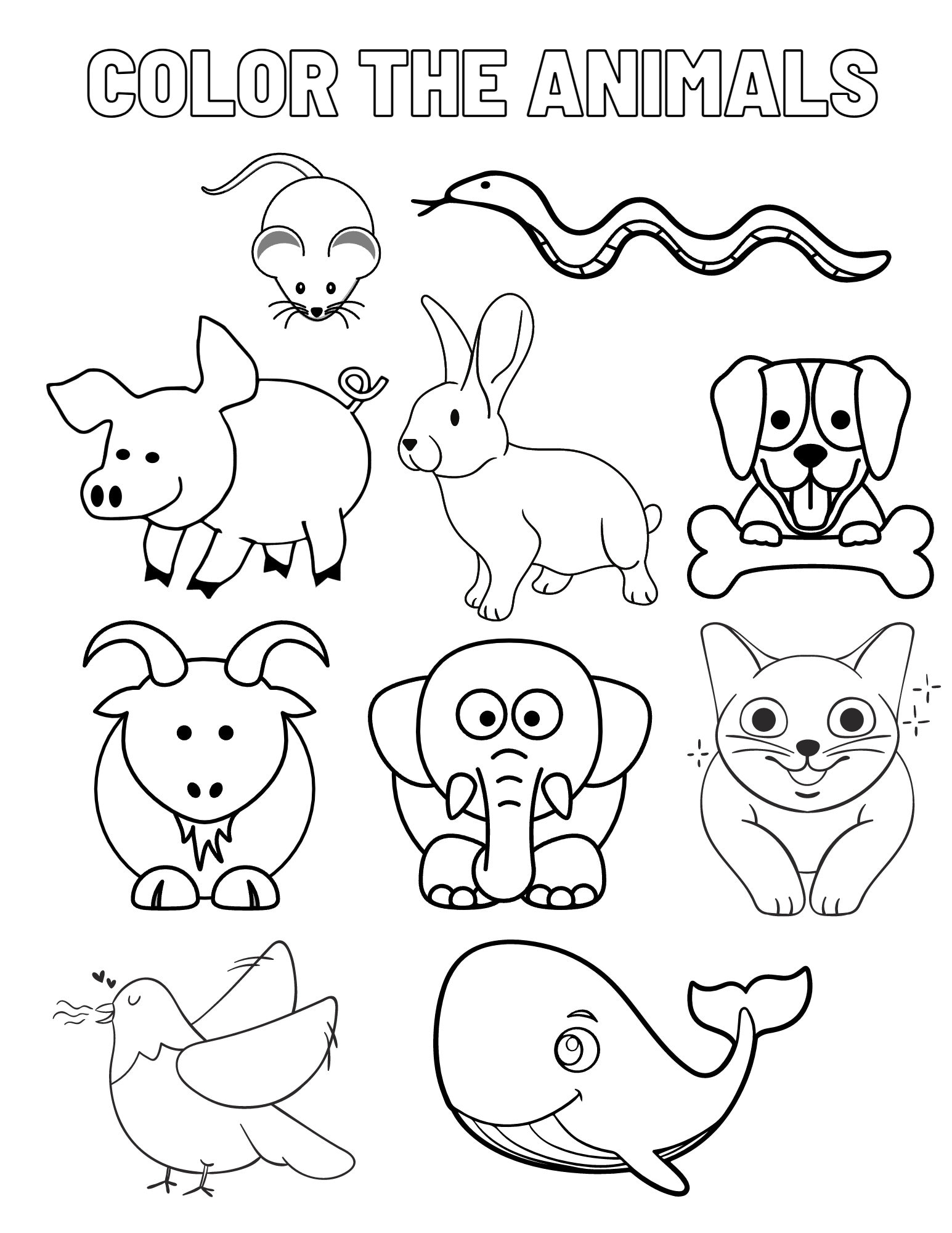
When searching for engaging activities for young learners, you might be interested in Images Of Animals To Color. These resources not only provide creative outlets but also help children develop fine motor skills. Coloring animal images can captivate students’ attention while fostering a love for art and nature. In this guide, we’ll explore the best practices for downloading, printing, and utilizing animal coloring pages effectively in educational settings.
Choosing the Right Images Of Animals To Color
Selecting the right images is crucial for keeping students engaged. Consider their age group and interests when choosing animal images. Younger children often enjoy simple outlines of familiar animals like cats, dogs, and farm animals. As students grow, they may appreciate more intricate designs featuring wildlife, such as elephants, lions, or marine life.
When looking for images, focus on those that are not overly complex. This ensures that children can complete the coloring without becoming frustrated. Websites that offer a variety of styles tend to be most beneficial, allowing you to cater to different preferences.
Downloading and Printing Tips
After finding suitable Images Of Animals To Color, the next step is downloading and printing them. Here are some practical tips to ensure the best results:
- File Format: Most coloring pages will be available as PDFs or image files (JPEG, PNG). PDFs are generally preferred because they maintain quality and layout when printed.
- Paper Size: Standard letter size (8.5” x 11”) works well for most coloring pages. If you want to create a larger coloring book, consider using legal size (8.5” x 14”) paper for a bigger canvas.
- Printer Settings: Use the best quality setting on your printer for crisp lines, particularly if using inkjet printers. Avoid the “draft” mode as it may produce faded images.
- Paper Type: Regular printer paper is adequate for simple coloring activities, but if you want to enhance the experience, use heavier paper or cardstock. This will prevent bleed-through, especially when using markers.
Materials for Coloring
The materials you provide for coloring can significantly influence the experience. Here’s a rundown of popular options:
- Crayons: Ideal for younger children, crayons are easy to grip and come in various colors. They also produce less mess compared to other mediums.
- Colored Pencils: These allow for more precision and can create finer details. Colored pencils are perfect for older students who may enjoy shading and blending.
- Markers: Markers can provide vibrant colors but may bleed through standard paper. If using markers, consider thicker paper or cardstock.
- Watercolors: For a creative twist, you can use watercolor paints. However, ensure that the paper is thick enough to handle moisture without tearing.
Creative Uses for Coloring Pages
Images Of Animals To Color can be used in several creative ways beyond simple coloring. Here are some ideas to incorporate these pages into your lessons:
- Art Projects: After coloring, students can cut out their animal images and create collages or dioramas. This combines art with hands-on learning.
- Storytelling: Encourage children to create stories about the animals they color. This can enhance their narrative skills and spark imagination.
- Thematic Units: Integrate coloring pages into thematic units. For example, if studying wildlife, use animal coloring pages to reinforce lessons about different species and their habitats.
- Relaxation Activities: Use coloring as a calming exercise, especially after intense lessons. It can help students refocus and re-energize.
Organizing and Storing Coloring Pages
To make the most of your Images Of Animals To Color, consider how you organize and store them. Here are some practical tips:
- Digital Organization: Keep a folder on your computer with categorized files. For example, you might separate images by animal type or complexity. This makes it easier to find what you need quickly.
- Physical Storage: If you print coloring pages in bulk, store them in a binder or folder. Use plastic sheet protectors to keep them safe and accessible.
- Usage Tracking: If you use these coloring pages frequently, track which ones are popular with your students. This can inform your future selections and ensure you always have engaging material on hand.
Encouraging a Love for Art and Nature
Using Images Of Animals To Color is a fantastic way to encourage children’s artistic expression and appreciation for nature. By providing a variety of images and materials, you can create a rich, engaging environment that fosters creativity.
To enhance their experience, consider organizing themed coloring activities that coincide with lessons in science or geography. For example, while studying habitats, provide coloring pages of animals specific to those environments.
As you implement these resources, remember to encourage your students to express themselves. Art is not just about staying within the lines; it’s about creativity and individuality.
To get started, download a few animal coloring pages today and prepare your materials for an exciting, colorful learning experience.









