When looking for the best places for 3D print files, you’ll find a wealth of resources that cater to all ages and interests. If you are a teacher seeking to enhance your classroom with engaging materials or a parent wanting to inspire creativity at home, these platforms offer a variety of downloadable files ready for printing. The right 3D print files can transform lessons into interactive experiences, making learning more fun and memorable.
Understanding 3D Print File Formats
Before diving into the best places to find 3D print files, it’s essential to understand the different file formats you might encounter. Most 3D printing files are available in formats such as STL, OBJ, and AMF.
- STL (Stereolithography): This is the most common file format used for 3D printing. It contains the surface geometry of a 3D object without any color or texture data. Most 3D printers can read STL files.
- OBJ: This format is similar to STL but supports color and texture, making it useful for more complex designs.
- AMF (Additive Manufacturing File Format): This format is less common but supports more advanced features, such as color and material specifications.
When downloading files, ensure that your printer supports the format you choose. Most educational 3D printers will handle STL files with ease.
Top Websites for 3D Print Files
Here are some of the best places for 3D print files that are particularly useful for teachers and parents looking to incorporate 3D printing into their projects.
Thingiverse
Thingiverse is one of the most popular platforms for 3D print files. It hosts a vast collection of user-generated designs, ranging from simple toys to intricate educational models.
- Features:
- Free downloads
- User ratings and comments help guide your choices
- A community of makers sharing tips and modifications
To get started, simply create a free account, browse categories, or use the search bar to find specific educational resources like anatomical models or geometric shapes for math lessons.
MyMiniFactory
MyMiniFactory is another excellent resource, focusing on high-quality, curated designs. Each model is tested for printability, ensuring that you won’t waste time on files that don’t work.
- Features:
- Free and premium models available
- A dedicated section for educational resources
- Regular contests to inspire creativity
You can explore their education section for downloadable files that are specifically designed for teaching purposes, such as models for science experiments or historical artifacts.
Cults3D
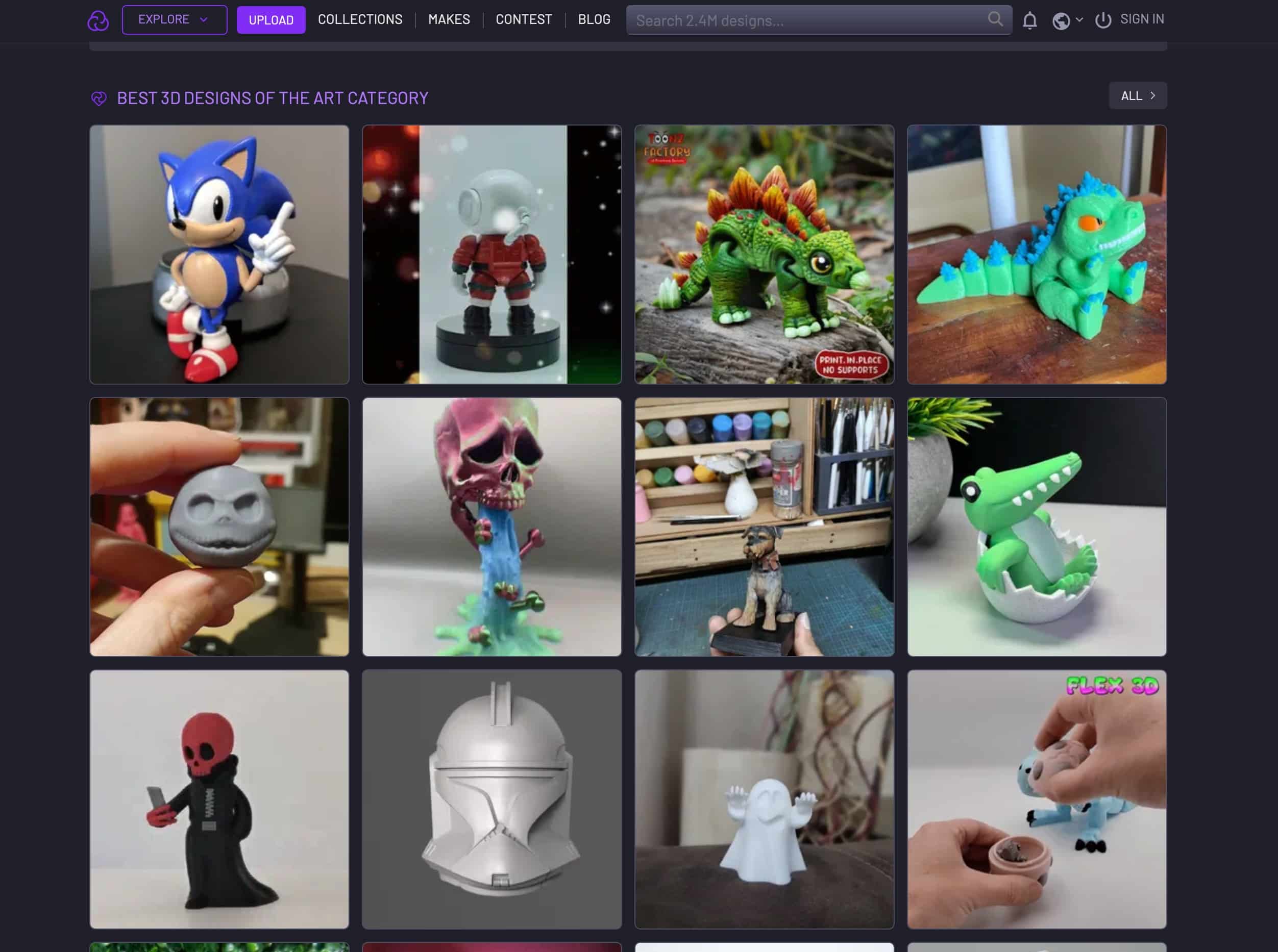
Cults3D is a marketplace for 3D models, with many files available for free. The site has a strong community aspect, allowing designers to showcase their work.
- Features:
- A mix of free and paid models
- Categories for education, art, and more
- User reviews for quality assurance
Teachers can find unique designs that may not be available on other sites, making it a valuable resource for specialized projects.
Pinshape
Pinshape offers a community-driven platform where designers can share their 3D print files. The site includes a range of educational models, from puzzles to learning tools.
- Features:
- Free and paid files
- A blog with tips and tricks for 3D printing
- User feedback on models
This site is particularly helpful for teachers looking for innovative ways to engage students in STEM subjects.
Preparing Your Files for Printing
Once you’ve downloaded your 3D print files, you’ll need to prepare them for printing. Here are some practical steps to follow:
Choosing the Right Printer Settings
Different printers have specific requirements, so it’s important to check the settings before printing. Here are some common adjustments:
- Layer Height: A smaller layer height results in finer details but takes longer to print. For classroom projects, a height of 0.2 mm is often sufficient.
- Infill Density: This affects the strength and weight of your model. An infill of 20% is typically adequate for educational models.
- Support Structures: If your model has overhangs, you may need to enable support structures. Review the model’s specifications for guidance.
Selecting the Right Material
The material you choose can affect the durability and usability of your printed model. Here are some common options:
- PLA: This biodegradable plastic is easy to print and is safe for classroom use.
- ABS: More durable than PLA, ABS is suitable for models that need to withstand wear and tear but may require higher temperatures and ventilation during printing.
- PETG: This material combines the ease of printing from PLA with the strength of ABS, making it a versatile option for various projects.
Best Practices for 3D Printing in the Classroom
Using 3D print files in the classroom can be a fantastic way to engage students. Here are some best practices to keep in mind:
Start With Simple Projects
If your students are new to 3D printing, begin with simple models. This will help them become familiar with the technology and build confidence in their abilities.
Encourage Modifications
Once students grasp the basics, encourage them to modify existing designs or create their own. This fosters creativity and problem-solving skills.
Integrate With Curriculum
Align 3D printing projects with the curriculum. For example, use anatomical models in a biology class or geometric shapes in a math lesson. This reinforces learning and makes it more interactive.
Troubleshooting Common Issues
Even experienced users encounter challenges when printing. Here are some common issues and how to address them:
Warping
This often occurs with materials like ABS. To prevent warping, ensure your printer bed is level and heated. Using a brim or raft can also help.
Layer Separation
If layers are separating, check your print temperature and speed. Increasing the temperature or reducing the print speed can often resolve this issue.
Failed Prints
If a print fails, examine the model file for errors. Using a slicer program to analyze the model can help identify potential problems before printing.
When using these resources, keep in mind that not all models will work perfectly on every printer. Testing a few models first can help you gauge compatibility and adjust your approach accordingly.
By exploring the best places for 3D print files, you can enhance your teaching toolkit with engaging, hands-on resources that inspire creativity and learning.









