Word searches are a fun and educational tool for 2nd graders, helping them to enhance vocabulary, spelling, and problem-solving skills. A Word Search For 2nd Graders is not just a game; it’s an excellent resource for reinforcing language concepts in an engaging way. This guide will provide you with practical tips on how to effectively use word searches in your teaching, as well as ideas for creating variations to keep the activity fresh and interesting.
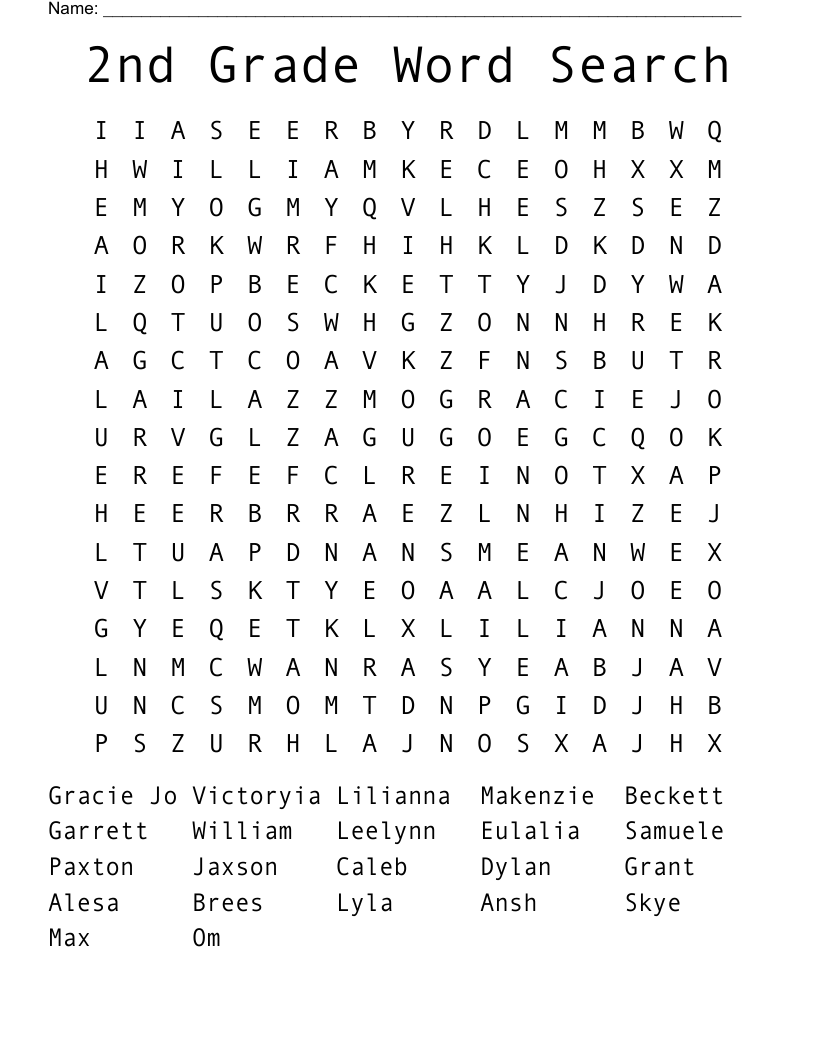
Understanding the Benefits of Word Searches
Word searches offer various educational benefits for 2nd graders. They encourage students to recognize word patterns, improve their spelling abilities, and develop problem-solving skills. Additionally, these puzzles can be tailored to specific themes or vocabulary lists, making them a versatile resource for any classroom setting.
Enhancing Vocabulary and Spelling
By incorporating a word search into your lesson plan, you can focus on specific vocabulary words that are relevant to your current curriculum. For instance, if you’re studying animals, you can create a word search that includes the names of different species. This not only reinforces spelling but also helps students to become more familiar with the terms.
Promoting Critical Thinking
Finding words within a grid requires students to engage in critical thinking. They must scan through letters, recognizing patterns and sequences to locate the words. This skill is essential not just for language arts but also for mathematics and science as they advance in their education.
How to Create a Word Search for 2nd Graders
Creating a Word Search For 2nd Graders can be a simple and enjoyable process. Here’s how you can do it:
- Choose a Theme: Select a topic that aligns with what your students are currently learning. This could be seasonal themes, animals, or even holiday-related words.
- Select Vocabulary Words: Choose 10-15 words that are appropriate for 2nd graders. Make sure they are words your students are familiar with or are currently studying.
- Design the Grid: Use a grid format that is easy to read—typically, a 10×10 square works well for this age group. Place your chosen words in the grid either horizontally, vertically, or diagonally.
- Fill in the Blanks: Once the words are placed, fill in the remaining spaces with random letters.
- Provide Instructions: Clearly explain to the students how to complete the word search, including any tips on how to approach the task.
You can create these word searches digitally or by hand, depending on your preference and the resources available.
Tips for Using Word Searches in the Classroom
To maximize the effectiveness of word searches in your classroom, consider the following strategies:
Incorporate Group Work
Word searches can be more engaging when done in groups. Pair students up to work together, allowing them to discuss strategies for finding words. This not only fosters collaboration but also enhances their social skills.
Use as a Reinforcement Tool
After a lesson, provide a word search that includes vocabulary from that lesson. This reinforces what they’ve learned and gives them a chance to practice in a fun way. Consider using it as a quick assessment tool to gauge their understanding of the material.
Offer Variations for Repeated Use
To keep the activity fresh, vary the difficulty of the word searches over time. Here are a few ideas:
- Themed Variations: Change the theme for each word search while keeping the structure the same. For example, you could create a word search about fruits one week and about transportation the next.
- Timed Challenges: Turn the word search into a friendly competition by timing students to see who can complete it the fastest. This adds an element of excitement and urgency.
- Hidden Messages: Create a word search where, once all words are found, the remaining letters spell out a hidden message. This adds an additional layer of challenge and fun.
Printable Resources for Word Searches
For those looking for ready-made resources, there are many printable Word Search For 2nd Graders available online. These can save you time and provide a variety of themes and difficulty levels to choose from.
Where to Find Printable Word Searches
- Educational Websites: Many educational websites offer free printable word searches tailored for different grade levels. Search for resources specifically designed for 2nd graders.
- Teachers Pay Teachers: This platform features a wide range of downloadable resources created by educators. You can find unique and themed word searches that are ready to print.
- DIY Tools: Websites like Discovery Education’s Puzzlemaker allow you to create custom word searches by inputting your own words and themes, giving you flexibility and control over the content.
Adapting Word Searches for Diverse Learners
When working with diverse learners, it’s important to adapt your resources to meet individual needs. Here are some ideas:
Simplifying the Grid
For students who may struggle with reading, consider reducing the number of words or using a smaller grid. This makes the task less overwhelming and allows them to focus on fewer words.
Providing Word Banks
Include a word bank at the top of the word search to help students who might have difficulty recalling words. This can aid their confidence and success in completing the puzzle.
Visual Aids
For visual learners, consider using images alongside the words. This can help them make connections between the words and their meanings, enhancing comprehension.
Next Steps: Implementing Word Searches in Your Classroom
After exploring the benefits and methods of using a Word Search For 2nd Graders, it’s time to put these ideas into action. Start by selecting a theme relevant to your teaching goals and create or find a word search that fits. You can print it out for immediate use in the classroom or send it home as homework to reinforce learning.
By integrating word searches into your lesson plans, you provide an engaging way for students to practice their vocabulary and critical thinking skills. With the right approach and resources, these puzzles can become a staple in your educational toolkit, adaptable for various topics and learning objectives.









