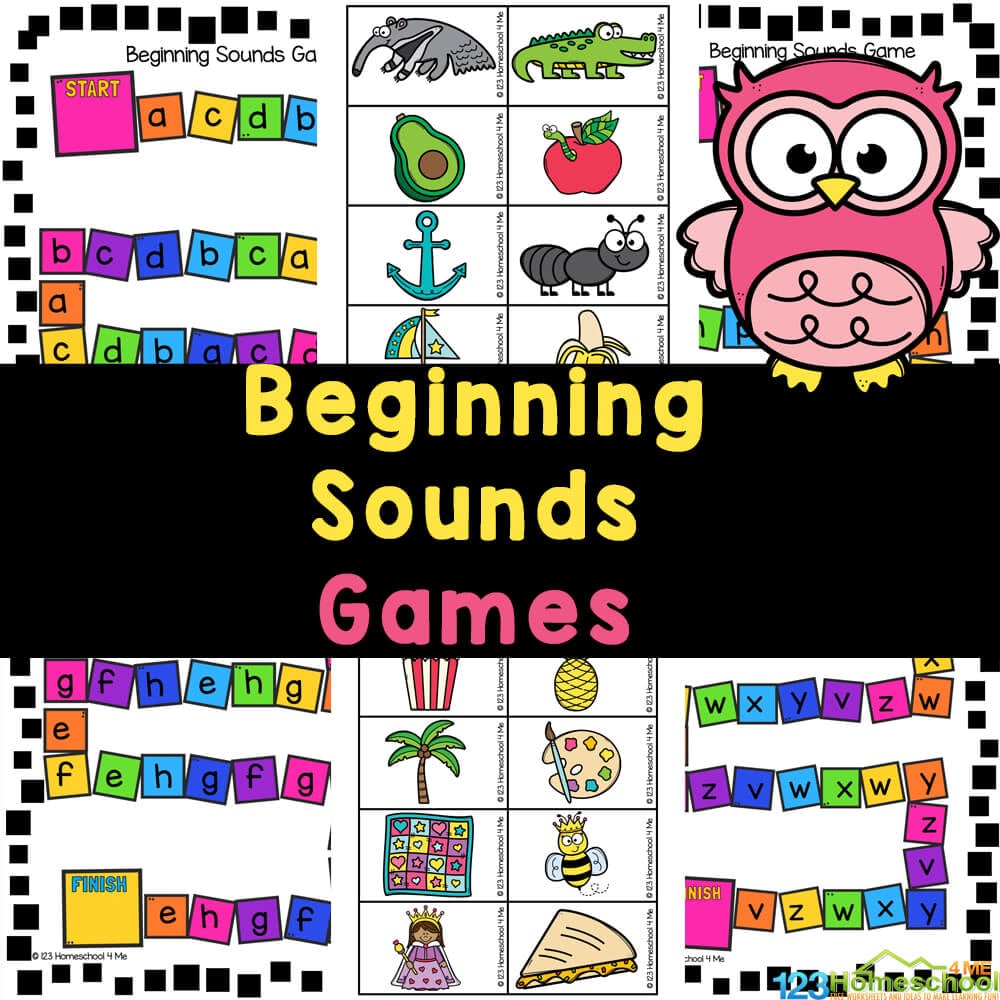
Beginning Sounds Games For Kindergarten are essential tools for early literacy development. Kids learn best when they’re engaged in play, and these games provide a fun way to introduce the concept of phonemic awareness. Whether you’re a teacher in a classroom setting or a parent looking for activities at home, these games can easily fit into your daily routine.
Understanding Phonemic Awareness
Phonemic awareness is the ability to hear and manipulate individual sounds in spoken words. This skill is crucial for reading success, especially in kindergarten when children are just beginning to connect sounds with letters. By focusing on the beginning sounds, children can start to build their vocabulary and improve their reading skills.
Using games to teach these concepts makes the learning process enjoyable. As you introduce Beginning Sounds Games For Kindergarten, you’ll find that children are more willing to participate and retain the information better.
Simple Beginning Sounds Games
There are various games you can implement in your classroom or at home that focus on beginning sounds. Here are a few easy ideas:
Sound Sorting
In this game, you can prepare a set of picture cards featuring objects that start with different sounds. For example, have cards for “cat,” “dog,” “apple,” and “ball.”
- Materials Needed: Picture cards, a sorting mat or designated areas for each sound.
- How to Play:
- Lay the picture cards face down.
- One child picks a card, says the word aloud, and identifies the initial sound.
- They then place the card in the correct sound category on the sorting mat.
This game not only reinforces sound recognition but also encourages verbal skills.
Beginning Sounds Bingo
Bingo is a classic game that can easily be adapted to focus on beginning sounds.
- Materials Needed: Bingo cards with pictures that represent various beginning sounds, markers or chips, and a calling sheet.
- How to Play:
- Each child receives a Bingo card filled with pictures.
- Call out the name of an object (e.g., “sun”).
- Children mark the corresponding picture on their Bingo card if they have it. The first to get a line wins!
This game can be made more challenging by calling out just the initial sound instead of the whole word.
Interactive Digital Games
In the age of technology, incorporating digital resources can enhance learning experiences. There are many websites and apps that offer interactive Beginning Sounds Games For Kindergarten. Here are a couple to consider:
Online Phonics Games
Websites like ABCmouse or Starfall provide engaging phonics games that focus on beginning sounds.
- Benefits: These platforms often include animations and sound effects that capture children’s attention.
- How to Incorporate: Set aside a specific time during the day for children to explore these games independently or in small groups.
Interactive Whiteboard Activities
If you have access to an interactive whiteboard, you can play games that involve sound recognition as a class.
- Materials Needed: An interactive whiteboard and a phonics game application or website.
- How to Play:
- Display the game on the board.
- Invite students to come up and interact with the game, answering questions about beginning sounds as a group.
This approach encourages teamwork and active participation.
Printable Resources for Beginning Sounds
Having printable resources on hand can make it easy to integrate games into your lessons.
Worksheets and Activity Pages
You can create or download worksheets that focus on beginning sounds. These can include activities like:
- Matching pictures to their corresponding initial sound.
- Coloring pictures that start with a specific sound.
- Tracing letters associated with beginning sounds.
Flashcards
Flashcards are a versatile resource. You can use them for various activities, such as:
- Memory games: Place cards face down and take turns flipping them to find matching pairs of pictures with the same beginning sound.
- Quick drills: Hold up a flashcard and ask children to say the word and identify its initial sound.
These resources are easy to print, and you can reuse them throughout the school year.
Creating a Sound Garden
An interactive way to reinforce beginning sounds is by creating a sound garden in your classroom or home.
- Materials Needed: Various objects or pictures representing different sounds, a large poster board or wall space.
- How to Set Up:
- Designate areas of the garden for different sounds (e.g., “B” for “ball,” “bat,” and “book”).
- Have children help you place objects or pictures in the correct areas based on their beginning sounds.
This hands-on activity allows children to physically engage with the concept of sounds while promoting collaboration.
Tips for Effective Implementation
To get the most out of your Beginning Sounds Games For Kindergarten, consider the following tips:
- Be Consistent: Regular practice is key to mastering beginning sounds. Incorporate these games into your weekly lesson plans.
- Use a Variety of Formats: Mixing digital games with hands-on activities keeps children engaged and caters to different learning styles.
- Encourage Participation: Make sure every child has a chance to participate, whether through group activities or individual tasks.
- Assess Progress: Keep track of each child’s progress through informal assessments or observations. This will help you adjust activities to meet their needs.
By utilizing these strategies, you can create a rich learning environment that supports the development of phonemic awareness through fun and engaging Beginning Sounds Games For Kindergarten.
When you incorporate these games into your teaching, you’ll be amazed at how quickly children pick up on beginning sounds. With a little creativity and planning, you can make learning an exciting adventure for your young learners. Explore different resources, adapt activities to fit your classroom dynamics, and watch as your students flourish in their literacy skills.









