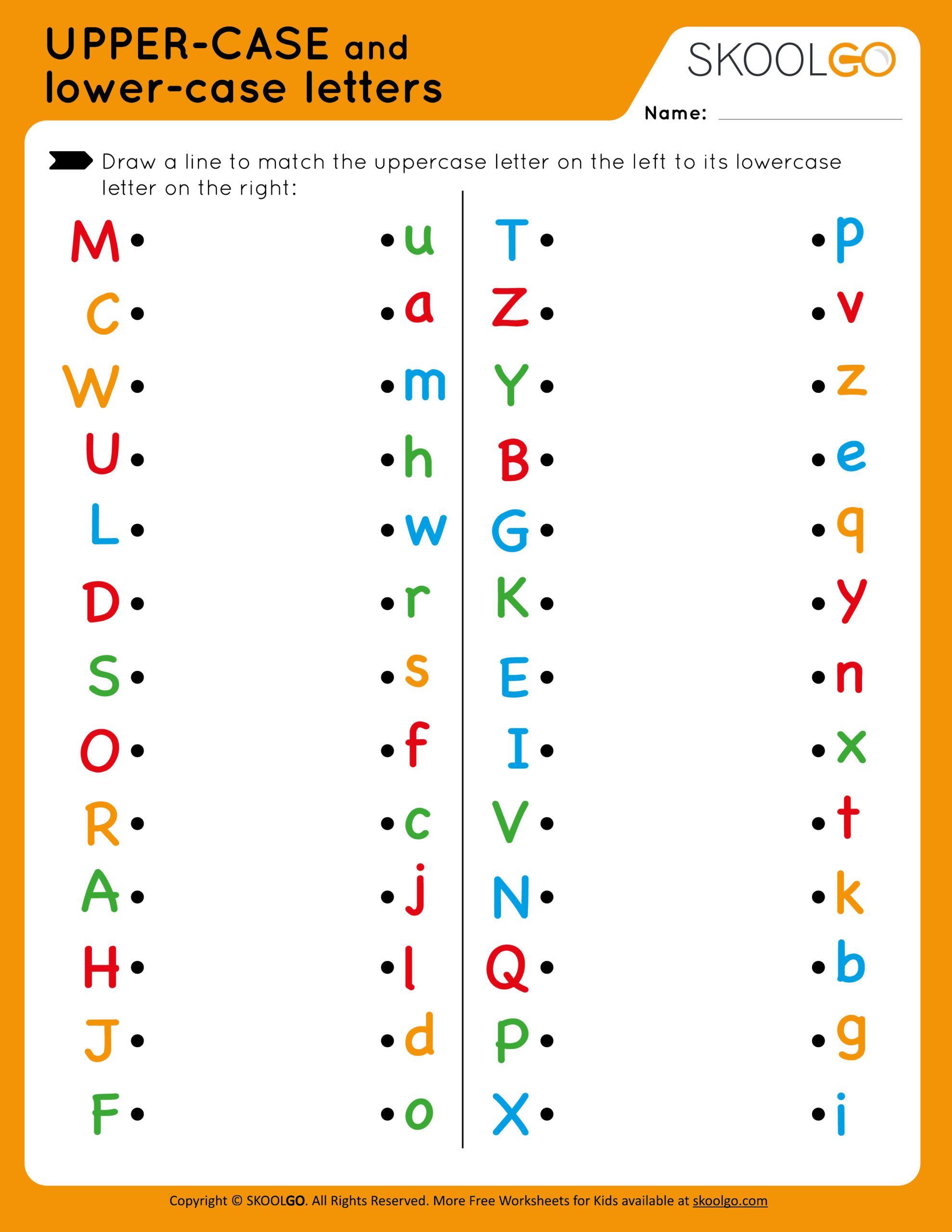
Understanding how to help young learners differentiate between lower case and upper case letters is essential for developing their literacy skills. The Lower Case Upper Case Matching Worksheet is a valuable resource that simplifies this learning process, making it easier for teachers and parents to guide children through the foundational stages of reading and writing.
Identifying the Target Audience
The Lower Case Upper Case Matching Worksheet is suitable for preschool and early elementary students, typically ages 4 to 7. This age group is at a crucial stage in their literacy development, where recognizing and understanding the difference between upper and lower case letters plays a significant role. Teachers and homeschool parents can utilize this resource to engage children in a fun and interactive way, making learning enjoyable.
Choosing the Right Worksheet
When selecting a Lower Case Upper Case Matching Worksheet, consider the following factors:
- Design and Layout: Opt for worksheets that are visually appealing and age-appropriate. Bright colors and engaging images can hold children’s attention and make the activity more enjoyable.
- Content Variety: Look for worksheets that offer a variety of matching exercises. This can include matching letters to pictures or connecting lower case letters to their upper case counterparts.
- Difficulty Level: Ensure the worksheet matches the skill level of the students. Beginners may need simpler matching tasks, while more advanced learners can handle more complex worksheets with additional letters or mixed case scenarios.
Downloading and Printing the Worksheet
Once the right worksheet is chosen, the next step is to download and print it. Here are some key points to consider:
- File Format: Ensure the worksheet is available in a PDF format, which preserves the layout and design when printed.
- Printer Settings: Set your printer to print on standard letter-sized paper (8.5″ x 11″). For best results, use a high-quality printer that can handle colorful images without fading.
- Paper Type: Consider using cardstock for durability, especially if the worksheet will be used for multiple students or reused later. This will hold up better than regular printer paper.
Setting Up the Activity
Before introducing the worksheet to students, take a moment to plan how to best present the activity. Here are some practical tips:
- Group vs. Individual Work: Decide whether the activity will be done in groups or individually. Group work can foster collaboration, while individual tasks allow for personalized learning.
- Instruction Clarity: Clearly explain the activity to the students. Demonstrate how to match lower case letters to their upper case counterparts using examples. This helps them understand the task before they begin.
- Supplemental Materials: Consider using additional resources, like flashcards or letter blocks, to reinforce the lesson. This can enhance their understanding and provide a multi-faceted learning experience.
Utilizing the Worksheet Effectively
Once the students begin working on the Lower Case Upper Case Matching Worksheet, there are several strategies to help them succeed:
- Monitor Progress: Walk around the classroom to observe how students are progressing. Offer assistance to those who may be struggling and provide encouragement.
- Incorporate Games: Turn the worksheet into a game by timing how quickly students can complete it or by challenging them to see who can match the most letters correctly.
- Discuss Results: After completing the worksheet, review the answers as a class. This not only reinforces learning but also allows students to learn from their mistakes in a supportive environment.
Grading and Feedback
Providing feedback is crucial for student development. Here’s how to handle grading and feedback for the Lower Case Upper Case Matching Worksheet:
- Answer Key: Use an answer key to quickly assess student performance. This will save time and ensure that the grading process is efficient.
- Positive Reinforcement: Focus on positive feedback, highlighting what students did well before discussing any mistakes. This encourages a growth mindset and keeps them motivated.
- Follow-Up Activities: Based on their performance, consider assigning follow-up activities. If certain students struggled, provide them with additional worksheets or practice games to reinforce their learning.
Incorporating the Worksheet Into a Broader Curriculum
The Lower Case Upper Case Matching Worksheet can be a component of a larger literacy curriculum. Here’s how to integrate it effectively:
- Thematic Units: Use the worksheet as part of a thematic unit on letters, including stories, songs, and crafts that focus on the alphabet and letter recognition.
- Cross-Disciplinary Learning: Combine literacy with art by having students color or decorate their worksheets. This not only enhances engagement but also helps with fine motor skills.
- Family Involvement: Encourage parents to participate in their child’s learning by sending home a copy of the worksheet. This allows for reinforcement at home and fosters a supportive learning environment.
Final Tips for Success
To maximize the effectiveness of the Lower Case Upper Case Matching Worksheet, keep these final tips in mind:
- Consistency is Key: Regular practice with matching worksheets can significantly improve letter recognition skills. Incorporate these activities into weekly lesson plans for best results.
- Adapt to Student Needs: Be flexible with the worksheets. Tailor them to meet the varying skill levels within your classroom. This ensures that every student is challenged appropriately.
- Celebrate Achievements: Recognize students’ progress, no matter how small. Celebrating achievements can help build their confidence and encourage continued learning.
By following these steps and utilizing the Lower Case Upper Case Matching Worksheet effectively, teachers and parents can significantly enhance young learners’ literacy skills, laying a strong foundation for their future education.









