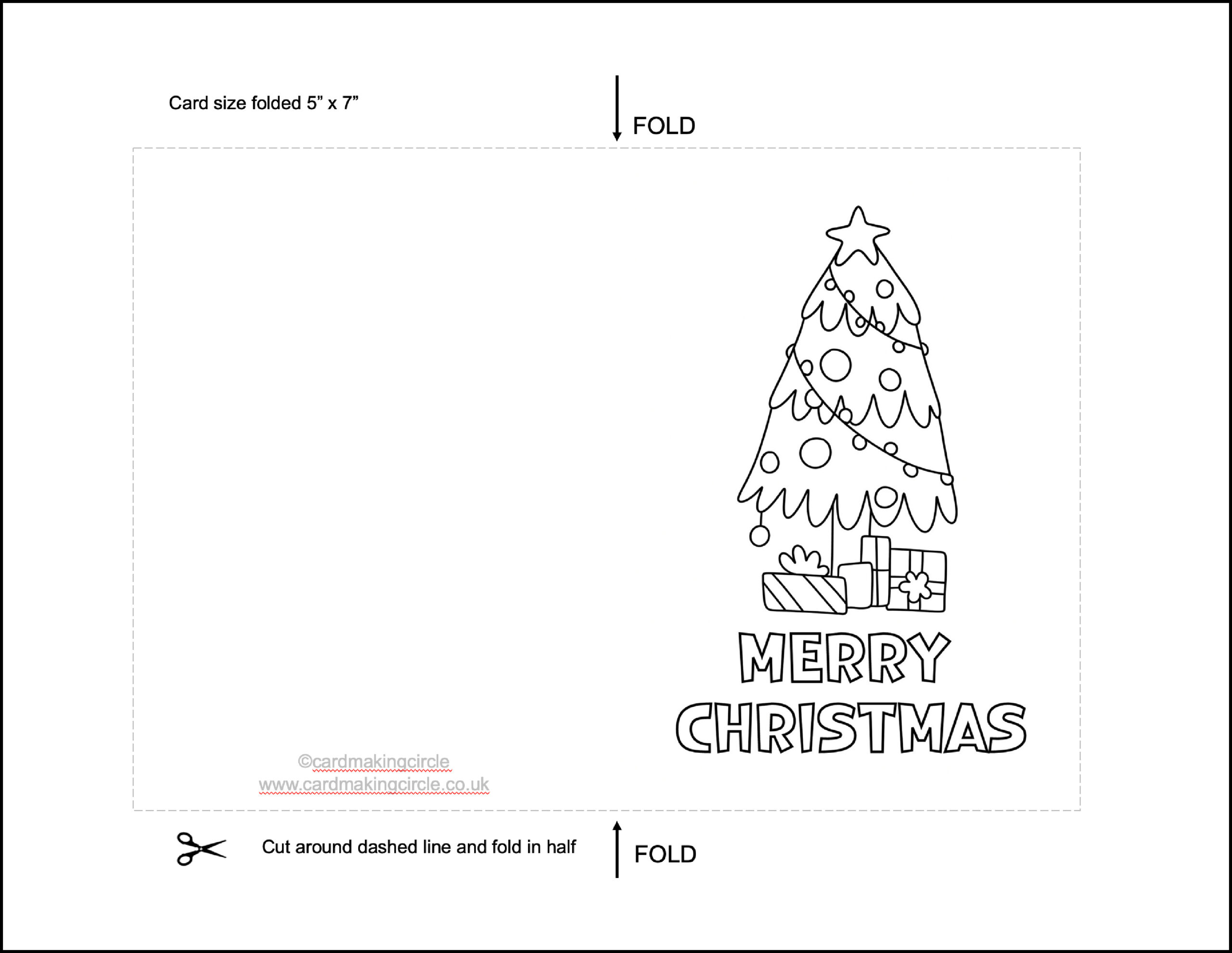
The holiday season is a special time for creativity and expression, especially for kids. Printable Christmas cards for kids to color provide an engaging activity that can be easily integrated into classrooms or family gatherings. These cards not only serve as a fun art project but also allow children to share their festive spirit with friends and family. In this guide, we’ll explore how to use these printable cards effectively, including their suitability for various age groups, materials needed, and creative ideas for their use.
Understanding the Appeal of Coloring Christmas Cards
When it comes to holiday activities, coloring Christmas cards stands out for several reasons. First, they promote creativity and fine motor skills. Kids can express their unique artistic styles while developing hand-eye coordination. Moreover, coloring can be a calming activity, providing a break from the hustle and bustle of the holiday season.
These printable Christmas cards come in various designs, featuring traditional symbols like Santa Claus, Christmas trees, and snowmen. The complexity of the designs can vary, making them suitable for different age groups. Younger children might enjoy simpler outlines, while older kids can tackle more intricate patterns. This flexibility makes them an excellent choice for mixed-age groups, such as in classrooms or family gatherings.
Materials You’ll Need
To get started with your printable Christmas cards for kids to color, gather the following materials:
- Printer: An inkjet or laser printer works well for printing the cards. Ensure your printer is set up correctly for optimal quality.
- Paper: Use standard printer paper for everyday coloring, but cardstock is recommended for a more durable card that can withstand handling or even mailing.
- Coloring Supplies: Stock up on various coloring supplies such as crayons, colored pencils, or markers. Each medium offers a different coloring experience, so consider what your kids enjoy most.
- Scissors (optional): If your cards come with decorative edges or need to be cut out, have a pair of safety scissors handy.
- Envelopes: If kids plan to mail their cards, have envelopes ready that fit the card sizes.
Printing Tips for Best Results
To ensure your Christmas cards look great, follow these printing tips:
- Choose the Right Size: Most printable cards will be designed for standard sizes like 4×6 inches or 5×7 inches. Check the dimensions before printing to avoid any resizing issues.
- Select High-Quality Settings: Use the highest quality print settings available on your printer. This enhances the details of the images and ensures vibrant colors.
- Test Print: Before printing multiple copies, do a test print on plain paper. This step allows you to confirm the layout and design.
- Adjust Margins: Some templates may require specific margin settings to ensure the design prints correctly without cutting off important elements.
Creative Uses for Colored Christmas Cards
Once the kids have colored their Christmas cards, there are several ways to utilize them:
Gift Tags
Cut the cards into smaller pieces to create unique gift tags. Kids can color and personalize them, adding a personal touch to any holiday gift.
Classroom Decorations
Display the colored cards on classroom walls or bulletin boards. This not only brightens up the space but also showcases the students’ creativity during the festive season.
Holiday Cards
Encourage children to write messages inside their cards before giving them to friends and family. This adds a heartfelt element to the cards, making them more meaningful.
Community Outreach
Consider sending the cards to local nursing homes or hospitals. Kids can share their artwork with those who may appreciate a cheerful holiday greeting.
Age Appropriateness and Skill Levels
When selecting printable Christmas cards for kids to color, consider the age and skill level of the children involved:
- Toddlers (Ages 2-4): Look for simple designs with large areas to color. Avoid intricate patterns that could frustrate them.
- Preschoolers (Ages 4-5): Designs can be slightly more complex, allowing for some detail while still being manageable.
- Early Elementary (Ages 6-8): Kids in this age group can handle more detailed designs and might enjoy using various coloring tools, including glitter pens or gel markers.
- Older Children (Ages 9 and up): These kids can tackle intricate designs and may appreciate the opportunity to add their own embellishments, such as stickers or additional drawings.
Encouraging Creativity and Expression
To enhance the coloring experience, encourage kids to explore their creativity:
- Mix Media: Suggest using different coloring tools on the same card. For instance, they can use crayons for the background and markers for the foreground elements.
- Color Theory: Teach kids about color combinations and how certain colors can evoke different feelings. This can be a fun way to introduce basic art concepts.
- Storytelling: Have children create a story around their colored card. This can be a fun writing exercise that complements their artistic work.









