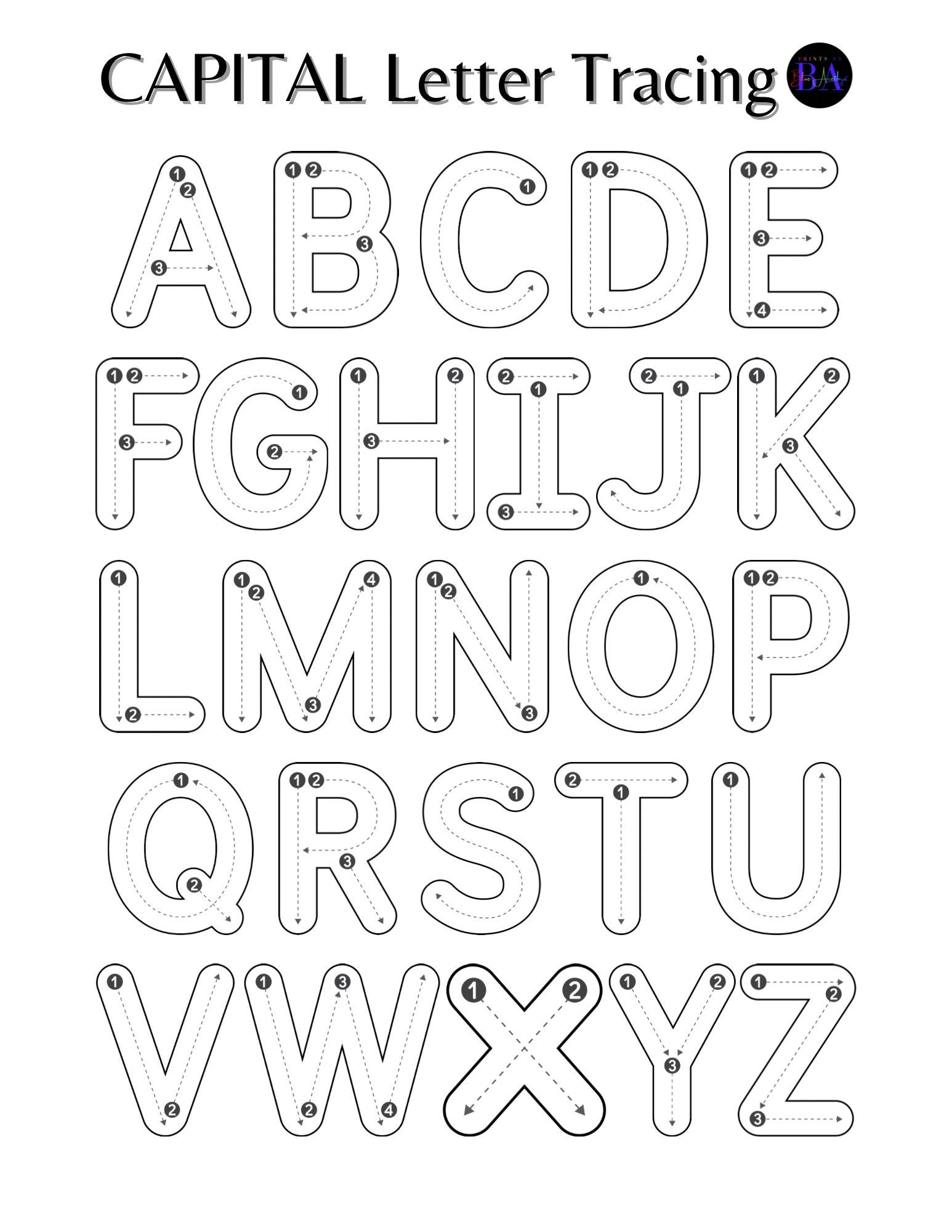
Capital Letters Alphabet Tracing Sheets are valuable resources designed to help young learners master the art of writing uppercase letters. These sheets provide a structured approach for children to practice letter formation, which is foundational for developing writing skills. Ideal for preschool and early elementary students, these tracing sheets can be seamlessly integrated into daily activities, making learning both fun and effective.
Understanding the Importance of Tracing Sheets
Tracing sheets serve multiple purposes in early literacy development. They not only assist children in learning how to write capital letters but also promote fine motor skills and hand-eye coordination. By following the lines, children gain confidence in their writing abilities, which can lead to better overall literacy skills. These sheets often feature dotted letters that guide young learners in proper letter formation, making it easier to understand the nuances of each character.
Age Appropriateness and Skill Level
Capital Letters Alphabet Tracing Sheets are best suited for children aged 4 to 7 years old. This age range typically encompasses preschool and kindergarten learners who are just beginning their writing journey. The sheets can be used in various settings, including:
- Homeschooling: Integrating these sheets into daily lessons can provide structure and make learning enjoyable.
- Preschool: Teachers can use them during circle time or as part of a writing center.
- At Home: Parents can utilize these sheets for fun, educational activities during playtime.
Each tracing sheet is designed to cater to the developmental needs of young children, making it an essential resource for anyone involved in early childhood education.
Features of Effective Tracing Sheets
When selecting Capital Letters Alphabet Tracing Sheets, it’s important to look for certain features that enhance their effectiveness:
- Clear Letter Formation: Each letter should be represented in a clear, easy-to-follow format, typically with dotted lines or arrows indicating the correct stroke order.
- Consistent Layout: A uniform design across all sheets helps children recognize letters quickly and reduces confusion.
- Variety of Activities: Some sheets may offer additional activities, such as coloring or matching letters, to reinforce learning.
- Printable Format: Ensure that the sheets are available in a PDF format for easy printing, which allows for quick use and multiple copies without hassle.
How to Use Capital Letters Alphabet Tracing Sheets
Incorporating these tracing sheets into an educational routine is straightforward. Here are some practical tips for effective usage:
- Daily Practice: Set aside a few minutes each day for tracing activities. Consistency is key in developing writing skills.
- Use with Other Tools: Pair tracing sheets with writing instruments like crayons or markers to make the activity more engaging for children.
- Monitor Progress: Encourage children to share their completed sheets. This not only boosts their confidence but also provides an opportunity for constructive feedback.
- Adapt to Individual Needs: Some children may require more practice with specific letters. Feel free to print additional sheets for those letters that present challenges.
Adapting Tracing Sheets for Different Learning Styles
Every child has a unique learning style, and adapting the use of Capital Letters Alphabet Tracing Sheets can help meet diverse needs:
- Visual Learners: Use colorful markers or highlighters to trace over letters. Visual aids can enhance memory retention.
- Kinesthetic Learners: Incorporate physical activities, such as using playdough to form letters, alongside tracing for a more hands-on approach.
- Auditory Learners: Encourage children to say the letters out loud as they trace them. This can help reinforce their learning through sound.
By being mindful of different learning styles, educators and parents can create a more inclusive and effective learning environment.
Expanding Learning Opportunities
To maximize the benefits of Capital Letters Alphabet Tracing Sheets, consider integrating them into broader educational themes or projects:
- Alphabet Games: Create games that involve identifying and tracing letters. This can turn a simple tracing exercise into a fun, interactive experience.
- Story Writing: After practicing letters, encourage children to use their skills in short story writing. They can write simple sentences using the letters they’ve learned.
- Art Projects: Combine tracing sheets with art projects, such as creating a scrapbook of letters or decorating letter cutouts.
These activities can enhance engagement, making learning a multifaceted experience that goes beyond just tracing.









