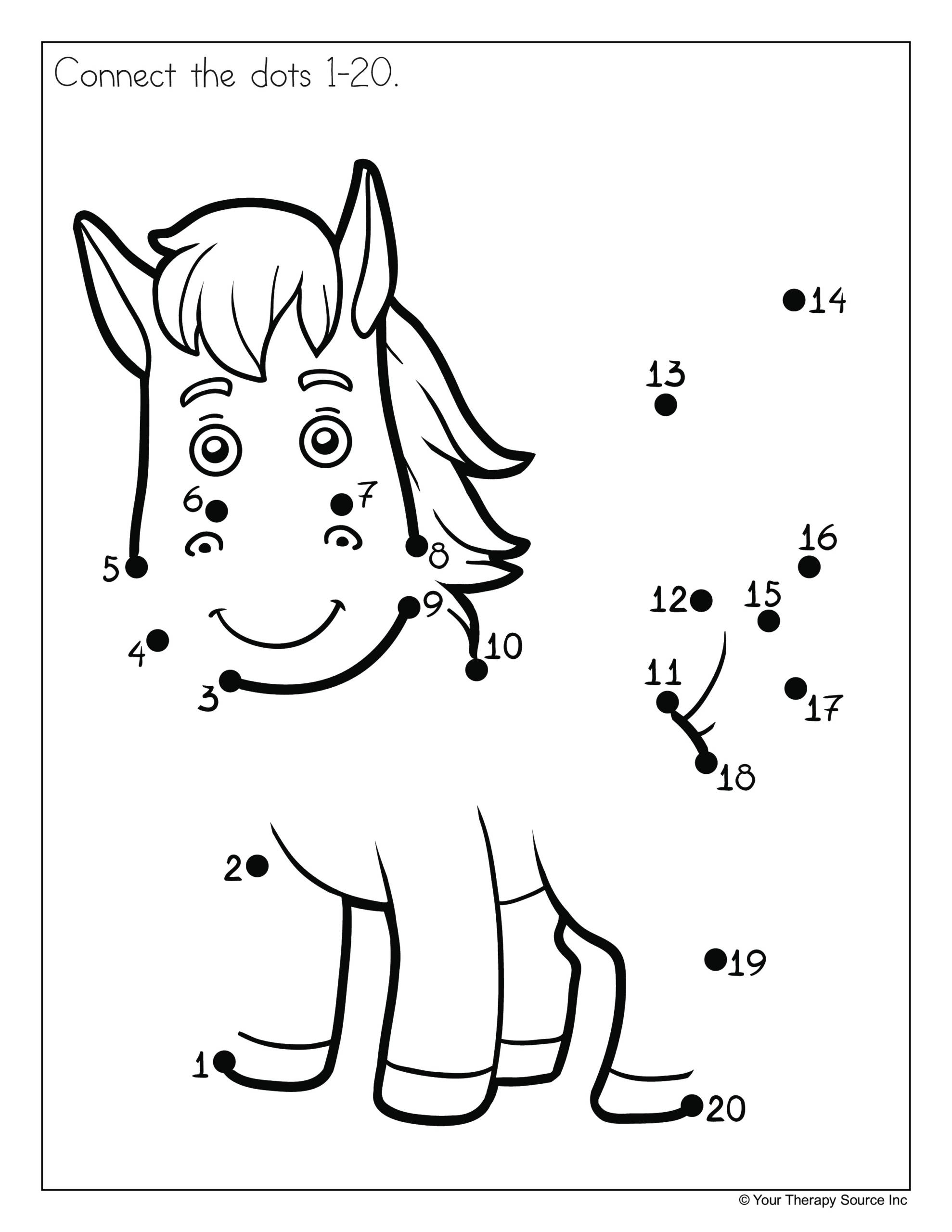
Connecting the dots is an exciting and interactive way for children to learn numbers while enhancing their fine motor skills and hand-eye coordination. The Dot To Dot 1 To 20 activity provides a structured yet enjoyable approach to learning, making it a fantastic resource for teachers and parents alike. Unlike generic worksheets that might bore young learners, dot-to-dot printables captivate their attention and encourage them to practice counting in a fun and engaging manner.
Benefits of Dot To Dot Activities
Using Dot To Dot 1 To 20 worksheets in your teaching repertoire can significantly enhance the learning experience. Here are a few benefits that highlight the value of this resource:
- Fine Motor Skills Development: As children connect the dots, they practice controlling their pencil grip, which is essential for writing.
- Number Recognition: This activity reinforces number recognition from 1 to 20, helping children familiarize themselves with numerical order.
- Concentration and Focus: Completing a dot-to-dot puzzle requires concentration, helping young learners focus on tasks.
- Creativity: Once the dots are connected, children can color in the images, allowing for a creative outlet that encourages self-expression.
How to Use Dot To Dot 1 To 20 Printables in the Classroom
Incorporating Dot To Dot 1 To 20 worksheets into your classroom can be straightforward and effective. Here’s how to maximize their use:
1. Introduce Number Concepts
Begin by introducing the concept of numbers to your students. Use everyday objects to count from 1 to 20, ensuring they grasp the significance of each number. Once they have a solid understanding, explain how the dot-to-dot activity will help reinforce what they’ve learned.
2. Group Activities
Consider using these printables in small groups. This encourages collaboration and discussion among students as they work together to connect the dots. You can assign roles within the group, such as a “number caller” who announces each number as they connect them.
3. Individual Practice
After group activities, give students time for individual practice. This allows them to work at their own pace and gain confidence in their skills. You can circulate the classroom to provide support and feedback, ensuring that each child feels comfortable with the material.
4. Combine With Other Subjects
You can also integrate these dot-to-dot worksheets with other subjects. For example, after completing a worksheet, have students write a short story about the picture they created. This not only reinforces their understanding of numbers but also enhances their writing skills.
Tips for Printing and Preparing Dot To Dot Worksheets
When preparing to use Dot To Dot 1 To 20 worksheets, keep the following practical tips in mind:
- Paper Quality: Use a heavier paper or cardstock for longer-lasting worksheets, especially if children will be using markers or crayons. This prevents tearing and allows for better coloring.
- Print Settings: Ensure your printer settings are adjusted for high-quality prints. A portrait layout typically works best for these worksheets, as it fits the dimensions of most dot-to-dot activities.
- Lamination: If you plan to reuse the worksheets, consider laminating them. This allows students to use dry-erase markers, making it easy to wipe clean and use again.
Creative Extensions for Dot To Dot 1 To 20
Once your students are comfortable with the basic dot-to-dot activities, you can introduce creative extensions to keep them engaged:
1. Themed Worksheets
Create themed dot-to-dot worksheets based on seasons, holidays, or classroom themes. For instance, a Halloween-themed worksheet could feature pumpkins, while a winter one could include snowflakes. This adds variety and keeps the activities fresh.
2. Challenge Levels
To cater to different skill levels, offer varying levels of difficulty. For instance, you could create a simpler worksheet with fewer dots for beginners and a more complex one for advanced learners. This ensures that each student is appropriately challenged.
3. Incorporate Technology
Consider using digital dot-to-dot activities on tablets or computers, where students can click and connect the dots. This modern twist can be particularly engaging for tech-savvy kids.
The Role of Dot To Dot in Early Education
Understanding the significance of dot-to-dot activities in early education can help educators appreciate their place in the curriculum:
- Cognitive Development: Activities like these stimulate cognitive development as children learn to follow sequences and patterns.
- Visual-Spatial Skills: Connecting dots enhances visual-spatial skills, which are critical for later math and science learning.
- Language Development: As children describe the images they create, they practice language skills, expanding their vocabulary and communication abilities.
Educators can leverage these benefits by strategically using Dot To Dot 1 To 20 worksheets throughout the school year, ensuring that they align with learning objectives and milestones.
Where to Find High-Quality Dot To Dot 1 To 20 Printables
Finding high-quality resources for dot-to-dot activities can sometimes be a challenge. However, there are several reliable sources:
- Printable Resource Websites: Websites dedicated to educational printables often have a variety of dot-to-dot options tailored to different age groups and learning levels.
- Teacher Resource Share Sites: Platforms where teachers share their resources can be goldmines for unique and creative dot-to-dot worksheets.
- Educational Apps: Many educational apps offer interactive dot-to-dot activities that provide instant feedback and can track progress.
Before downloading any resources, ensure that they meet your educational standards and fit your classroom needs.
Considerations When Using Dot To Dot Worksheets
While dot-to-dot activities are fantastic tools for learning, there are a few considerations to keep in mind:
- Varied Learning Styles: Some children may find traditional dot-to-dot worksheets challenging. Be prepared to offer alternative activities for those who may struggle.
- Supervision: Young children may need supervision, especially if using markers or scissors. Always ensure the environment is safe for all activities.
- Time Management: Keep an eye on time as students work through the activities. Some may need more time than others, so plan accordingly to ensure everyone can finish at their own pace.
Incorporating Dot To Dot 1 To 20 worksheets into your teaching strategy can transform how children learn numbers while providing a fun, interactive experience. By addressing the needs of varied learners and ensuring engaging activities, you’re setting the stage for a productive and enjoyable learning environment.









