In any educational setting, keeping track of tasks can be overwhelming. Teachers juggle lesson plans, student needs, and administrative duties, making it easy to lose sight of essential tasks. This is where the ability to send a checklist to employees becomes invaluable. A well-structured checklist not only clarifies what needs to be done but also fosters accountability and ensures that no crucial steps are overlooked.
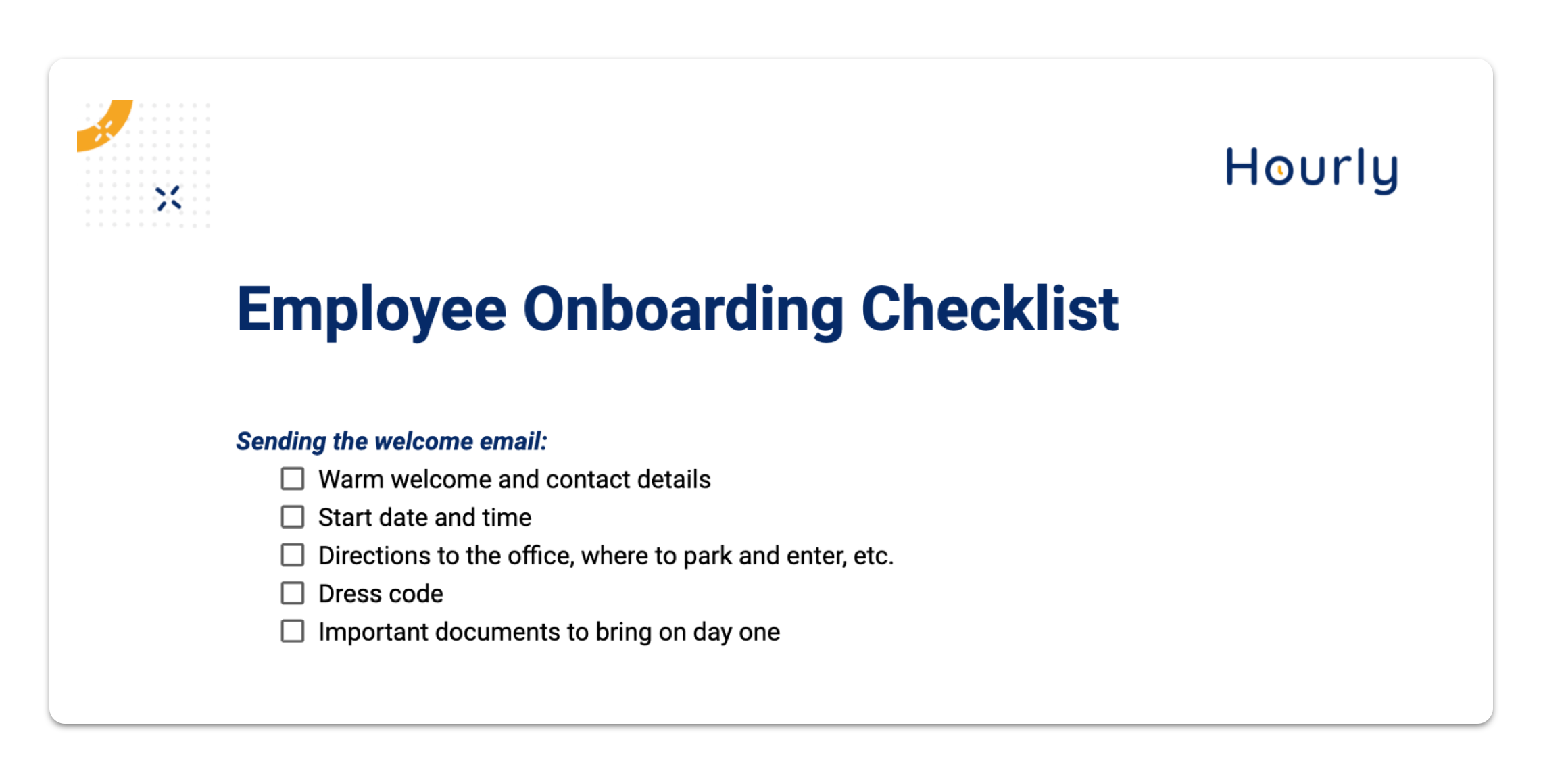
The Importance of Checklists in Education
Checklists serve as a powerful tool for organization, especially in the fast-paced world of education. They provide a clear and concise way to outline tasks, allowing everyone involved to know their responsibilities. When you send a checklist to employees, you’re not just giving them a list of tasks; you’re creating a shared understanding of expectations and deadlines.
Imagine a scenario where you need to prepare for a school event. A checklist can help you outline everything from securing a venue, arranging for supplies, and notifying parents. By breaking down a larger task into manageable parts, you reduce the risk of forgetting important details. Moreover, each completed item provides a sense of accomplishment, motivating employees to keep moving forward.
Creating an Effective Checklist
Creating a checklist that is not only effective but also easy to follow is essential. Here are some practical steps to help you design a checklist that meets the needs of your educational environment:
1. Define Your Goal
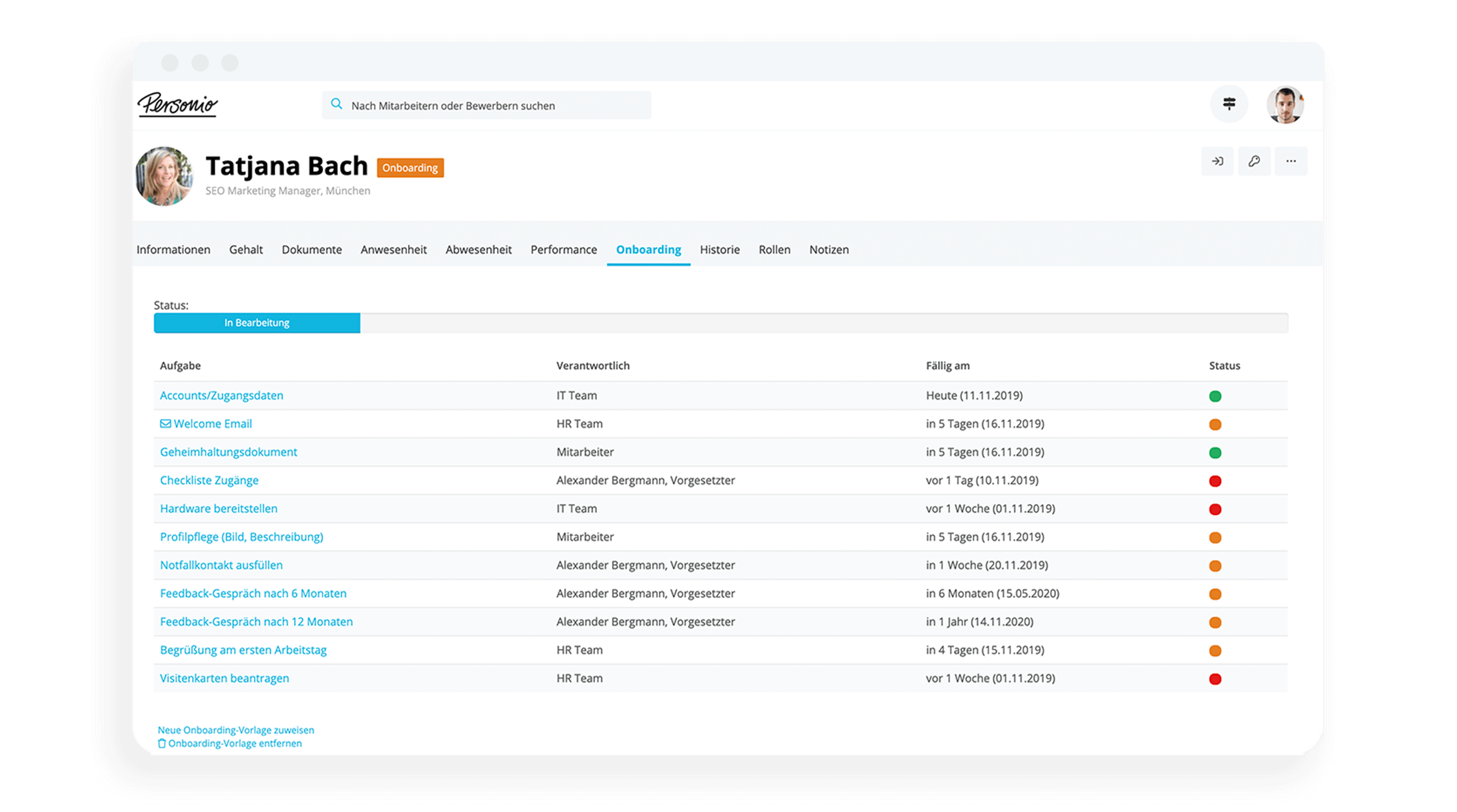
Before you start creating your checklist, clarify the purpose. Are you preparing for a specific event? Are you outlining daily tasks? Identifying the goal will guide the structure of your checklist.
2. Break Down Tasks
Once you have your goal, break it down into specific tasks. Use clear, actionable language to describe each task. For example, instead of saying “Prepare for the science fair,” specify “Order supplies for the science fair” or “Create a schedule for science fair presentations.”
3. Prioritize
Not all tasks carry the same weight. Prioritize them based on deadlines or importance. Highlighting urgent tasks can help employees focus on what needs immediate attention.
4. Keep It Simple
A checklist should be straightforward. Avoid clutter and unnecessary details that may overwhelm the reader. Use bullet points or numbered lists to enhance readability.
5. Review and Revise
Before sending out your checklist, review it for clarity and completeness. Consider asking a colleague to provide feedback. Sometimes, a fresh pair of eyes can catch things you might have overlooked.
How to Send the Checklist
Once your checklist is ready, you need to consider the best way to distribute it. Here are a few practical methods to send a checklist to employees:
Email Distribution
Email is a straightforward way to send your checklist. Attach the checklist as a PDF or include it in the body of the email. Ensure the subject line is clear, such as “Checklist for Upcoming Science Fair.” This helps employees immediately understand the email’s purpose.
Use of Shared Platforms
If your school uses platforms like Google Drive or Microsoft Teams, consider sharing your checklist there. This allows for real-time updates and collaboration. Employees can check off tasks as they complete them, promoting accountability.
Print and Distribute
For those who prefer physical copies, printing the checklist can be effective. You can hand them out during meetings or place them in staff mailboxes. This method can work well for employees who may not regularly check their emails.
Incorporating Feedback and Adjustments
After sending out your checklist, encourage employees to provide feedback. Are there tasks that need more clarity? Should some items be added or removed? Continuous improvement is key to ensuring your checklists remain relevant and useful.
Consider scheduling a follow-up meeting to discuss the checklist and gather insights. This not only fosters a culture of collaboration but also allows for adjustments based on real experiences.
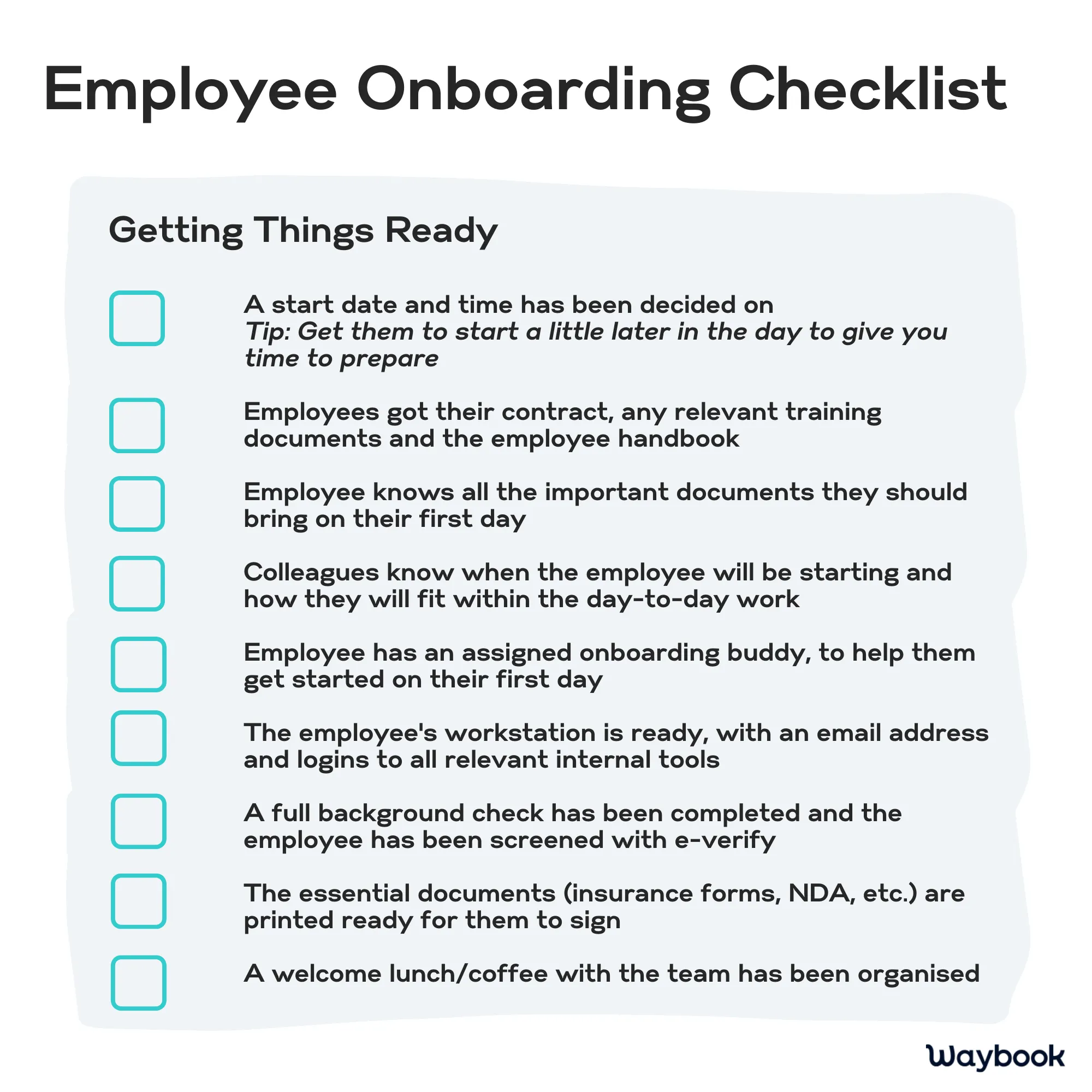
Building a Routine With Checklists
To maximize the benefits of checklists, consider incorporating them into your routine. Regularly sending a checklist to employees can help establish a habit. When tasks are outlined consistently, employees are more likely to stay organized and focused.
Regular Check-ins
Set a recurring date for sending out checklists. For example, a weekly checklist can help employees prepare for the upcoming week. This routine can reduce stress and improve overall efficiency.
Visual Reminders
Post a physical checklist in common areas, like the staff lounge or break room. This serves as a visual reminder and helps keep tasks top of mind. Employees can see what needs to be done at a glance, promoting a proactive approach.
Celebrate Completion
When checklists are completed, take a moment to recognize the effort of your employees. This could be as simple as a shout-out in a staff meeting or a small reward. Celebrating achievements reinforces the value of using checklists and encourages continued use.
In summary, sending a checklist to employees is a simple yet effective strategy to enhance organization and productivity in your educational environment. By creating clear, concise checklists and using various distribution methods, you can help your team stay focused and accountable. Start implementing checklists today, and watch how they transform your workflow. One immediate action you can take is to create a simple checklist for your next upcoming event and distribute it to your team this week.









