Creating a checklist can be a useful option for you as a teacher. An effective checklist helps keep you organized, accountable, and ensures that tasks are completed on time. An example of a good checklist can streamline your workflow, making it easier to track what needs to be done. In this article, we will break down how to create a checklist that works for you and your classroom needs, ensuring that it becomes a valuable resource rather than just another piece of paper.
What Makes a Checklist Effective?
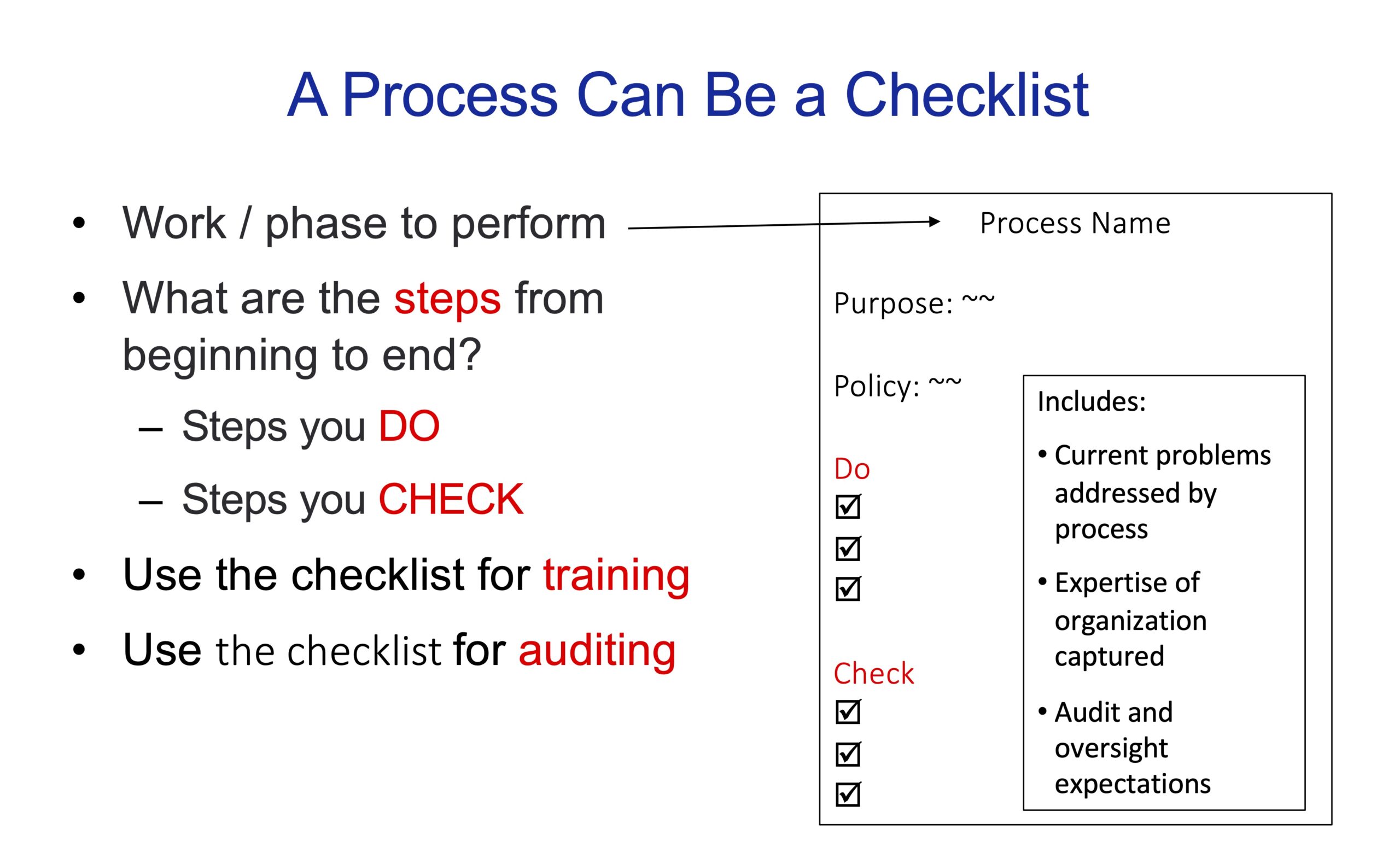
To create an example of a good checklist, it’s important to understand the key components that make a checklist truly effective. Here are some essential elements:
- Clarity: Each item on your checklist should be clear and specific. Instead of saying “Prepare materials,” specify which materials are needed, like “Print math worksheets for the week.”
- Brevity: Keep your checklist concise. Too many items can feel overwhelming, which may lead to neglect. Aim for 5-10 actionable items that you can realistically complete.
- Prioritization: Order your tasks by importance or sequence. This helps you tackle the most critical items first, ensuring that essential tasks get completed even if time runs short.
- Visibility: Make your checklist easily accessible. Place it on your desk, in your planner, or use a digital format that you can check from anywhere.
- Adaptability: Your checklist should be flexible enough to adapt to changing circumstances. You might need to add or remove items based on your weekly schedule or specific projects.
Types of Checklists for Teachers
Different situations call for different types of checklists. Here are some common examples that you might find useful in your teaching practice:
Daily Task Checklist
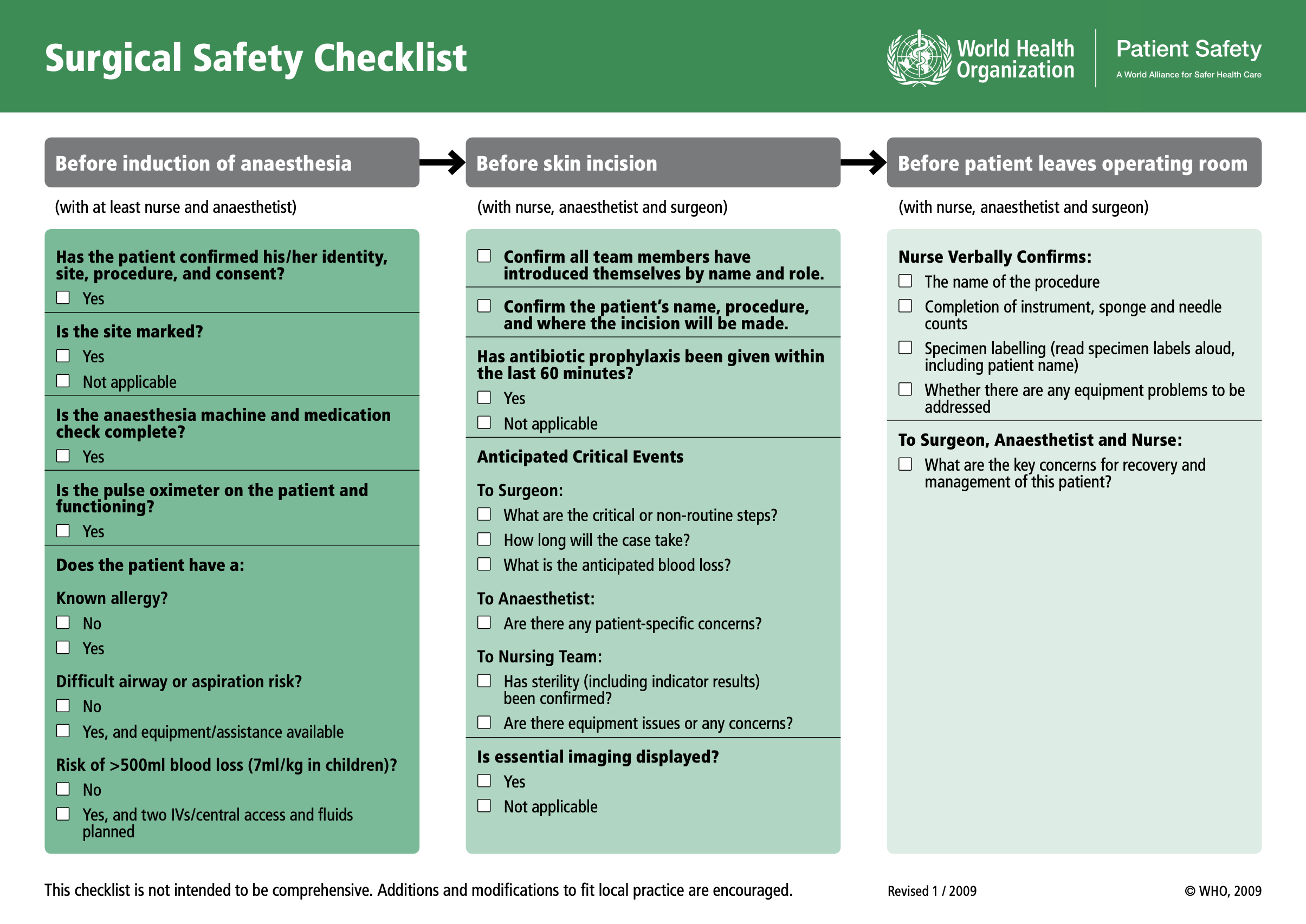
This type of checklist focuses on daily routines. It can include tasks like:
- Morning setup (e.g., arranging classroom seating)
- Review of lesson plans
- Attendance tracking
- Preparing materials for the day
- End-of-day clean-up
Daily task checklists help you stay organized and ensure that no critical activities are overlooked.
Project Checklist
When working on long-term projects, a project checklist can keep everything on track. It might include:
- Defining project goals
- Assigning roles (if working in groups)
- Setting deadlines for each phase
- Materials needed
- Review dates
Having a project checklist will help you and your students stay focused on the objectives and deadlines.
Event Planning Checklist
Planning school events like field trips or class parties requires different considerations. An event planning checklist might include:
- Venue booking
- Permission slips distribution
- Snack and supply orders
- Chaperone assignments
- Communication with parents
This checklist ensures that every detail is covered, minimizing stress as the event day approaches.
How to Use Your Checklist Effectively
Having a checklist is just the first step; using it effectively is what truly matters. Here are practical tips for making the most of your checklist:
- Review Regularly: Start each week by reviewing your checklist. This allows you to adjust for any new tasks or priorities.
- Check Off Items: There’s a satisfying feeling in physically checking off completed items. It can motivate you to keep going and provide a sense of accomplishment.
- Share Responsibility: If you’re working with students or colleagues, share the checklist with them. This promotes shared responsibility and accountability, ensuring everyone is on the same page.
- Reflect and Revise: After a week or month of using your checklist, take a moment to assess its effectiveness. What worked? What didn’t? Make adjustments to improve its functionality.
Printable Examples of Good Checklists
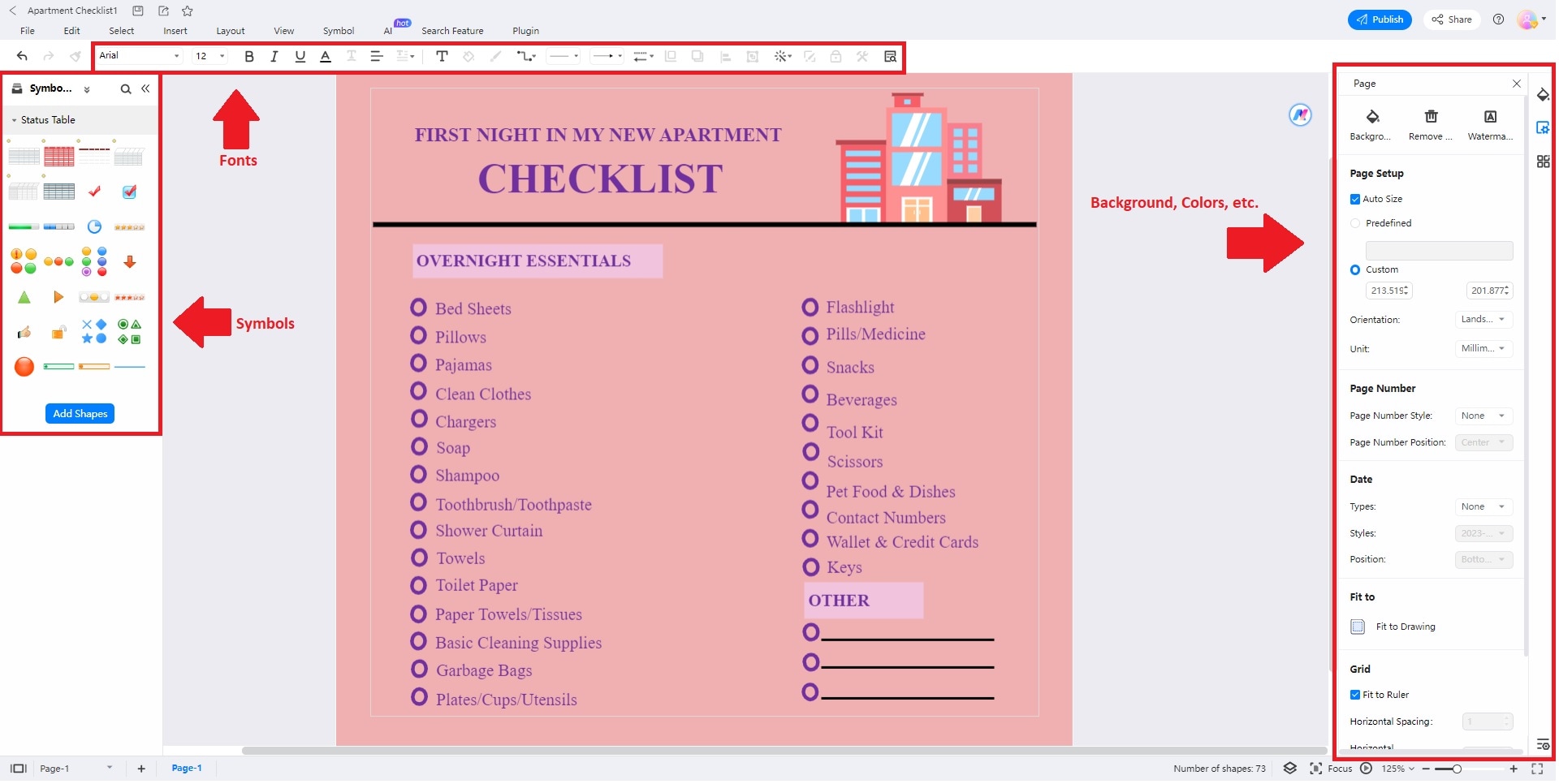
To help you get started, consider downloading some printable checklist templates. These can be tailored to fit your needs. You can find:
- Daily task checklists: Simple formats that allow quick adjustments.
- Project planning checklists: More detailed, including sections for deadlines and responsibilities.
- Event planning checklists: Comprehensive lists that outline every aspect of event preparation.
Using a printable checklist can enhance your organizational skills and keep you focused on what really matters.









