In the fast-paced world of education, having reliable resources can make a significant difference. Checklists that people actually use can streamline your teaching process, helping you stay organized and ensure you don’t miss essential tasks. Whether you’re preparing for lessons, managing classroom activities, or tracking student progress, the right checklist can provide clarity and structure. Let’s explore how to effectively utilize these resources in your teaching routine.
Types of Checklists for Teachers

Different teaching scenarios call for different types of checklists. Understanding the specific needs of your classroom will help you choose the most suitable ones. Here are some popular types:
- Lesson Planning Checklists: These help ensure you cover all necessary components of a lesson, including objectives, materials, and assessment methods.
- Daily Classroom Checklists: Use these to track daily classroom tasks, such as attendance, assignments, and classroom management strategies.
- Project Management Checklists: Perfect for guiding students through group projects, these checklists can outline steps, roles, and deadlines.
- Student Assessment Checklists: These help in tracking student progress on assignments, tests, and overall performance, ensuring nothing slips through the cracks.
Each type serves a unique purpose, so consider your specific needs when selecting checklists.
Benefits of Using Checklists in Education
Checklists offer several advantages that can enhance your teaching experience. Here are some key benefits:
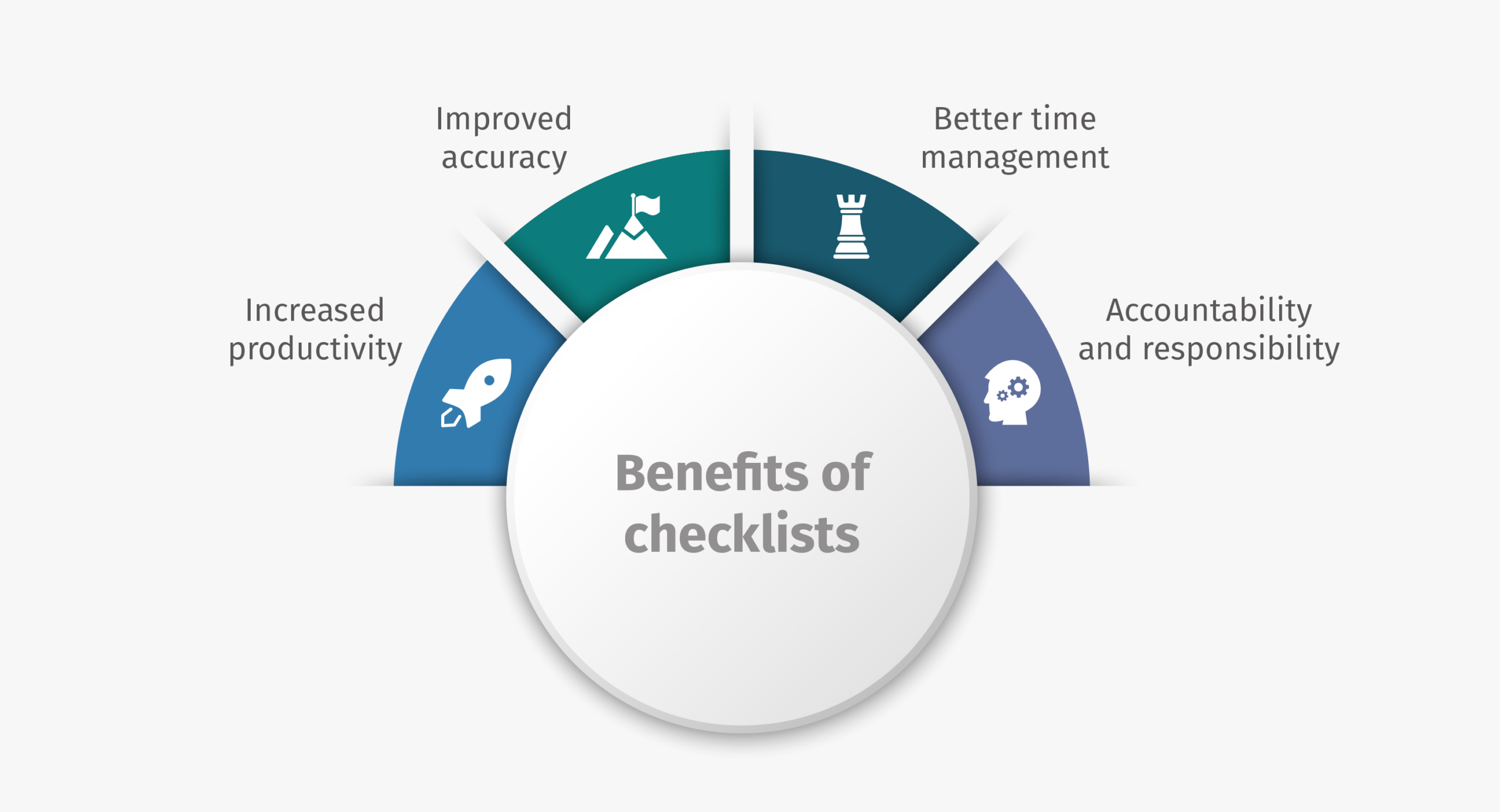
- Improved Organization: By breaking down tasks into manageable steps, checklists help you maintain focus and structure in your busy day.
- Increased Efficiency: You can save time by quickly checking off completed tasks, allowing you to concentrate on teaching rather than remembering every detail.
- Enhanced Accountability: For both teachers and students, checklists can serve as a reminder of responsibilities, fostering a sense of accountability.
- Better Communication: When students and parents have access to checklists, it helps everyone stay aligned on expectations, deadlines, and requirements.
Incorporating checklists into your routine can significantly improve both your teaching and your students’ learning experience.
How to Create Effective Checklists
Creating effective checklists involves a few straightforward steps. Here’s how to get started:
- Identify the Purpose: Determine what you want to achieve with the checklist. Are you planning a lesson, tracking assignments, or managing classroom behavior? Knowing the goal will guide your content.
- List Relevant Tasks: Write down all the tasks that need to be accomplished. Be specific to avoid confusion. For example, instead of saying “prepare lesson,” include “gather materials for science experiment” and “review lesson plan.”
- Organize Logically: Arrange tasks in a logical order. For lesson planning, you might start with objectives, then list materials, followed by activities.
- Keep It Simple: Avoid cluttering your checklist with unnecessary details. Aim for clarity and conciseness, making it easy to read and follow.
- Test and Revise: Use the checklist in real scenarios and gather feedback. Make adjustments based on what works and what doesn’t, ensuring it remains practical.
By following these steps, you can create checklists tailored to your specific teaching needs.
Where to Find Printable Checklists
Finding printable checklists that people actually use is easier than ever. Here are some reliable sources:
- Educational Websites: Many educational websites offer free or paid downloadable checklists specifically designed for teachers. Look for reputable sites that focus on teaching resources.
- Teacher Blogs: Many educators share their resources and checklists on personal blogs. These often include practical tips and real-world applications.
- Pinterest: This platform is a treasure trove for finding creative and practical checklists. You can search for specific topics and discover a variety of formats and styles.
- Printable Resource Websites: Websites dedicated to printable resources offer a wide range of checklists, from lesson plans to classroom management tools. These are often available in PDF format for easy printing.
When selecting checklists, ensure they align with your teaching style and classroom needs.
Tips for Using Checklists Effectively
Once you have your checklists ready, consider these tips for maximizing their effectiveness:
- Display Them Prominently: Keep checklists visible in your classroom or on your desk. This constant reminder will help you stay on track.
- Involve Students: Encourage students to use checklists for their assignments and projects. This builds their organizational skills and promotes independence.
- Regularly Update Them: As your teaching methods evolve, so should your checklists. Review them periodically to ensure they remain relevant and effective.
- Use Digital Options: If you prefer digital tools, consider using apps or software that allow for checklist creation. These often come with reminder features and can be easily shared with students.
Implementing these tips can help you make the most out of your checklists, turning them into an essential part of your teaching toolkit.









