Cut And Paste Worksheets Animals are an excellent resource for teachers looking to engage young learners while enhancing their fine motor skills. These worksheets not only provide a fun activity but also serve as a valuable tool for teaching children about various animals, their habitats, and characteristics. In this guide, you’ll find practical advice on how to use these worksheets effectively in your classroom, tips for printing and preparing them, and ideas for extending the learning experience beyond the worksheet.
What Are Cut And Paste Worksheets Animals?
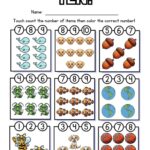
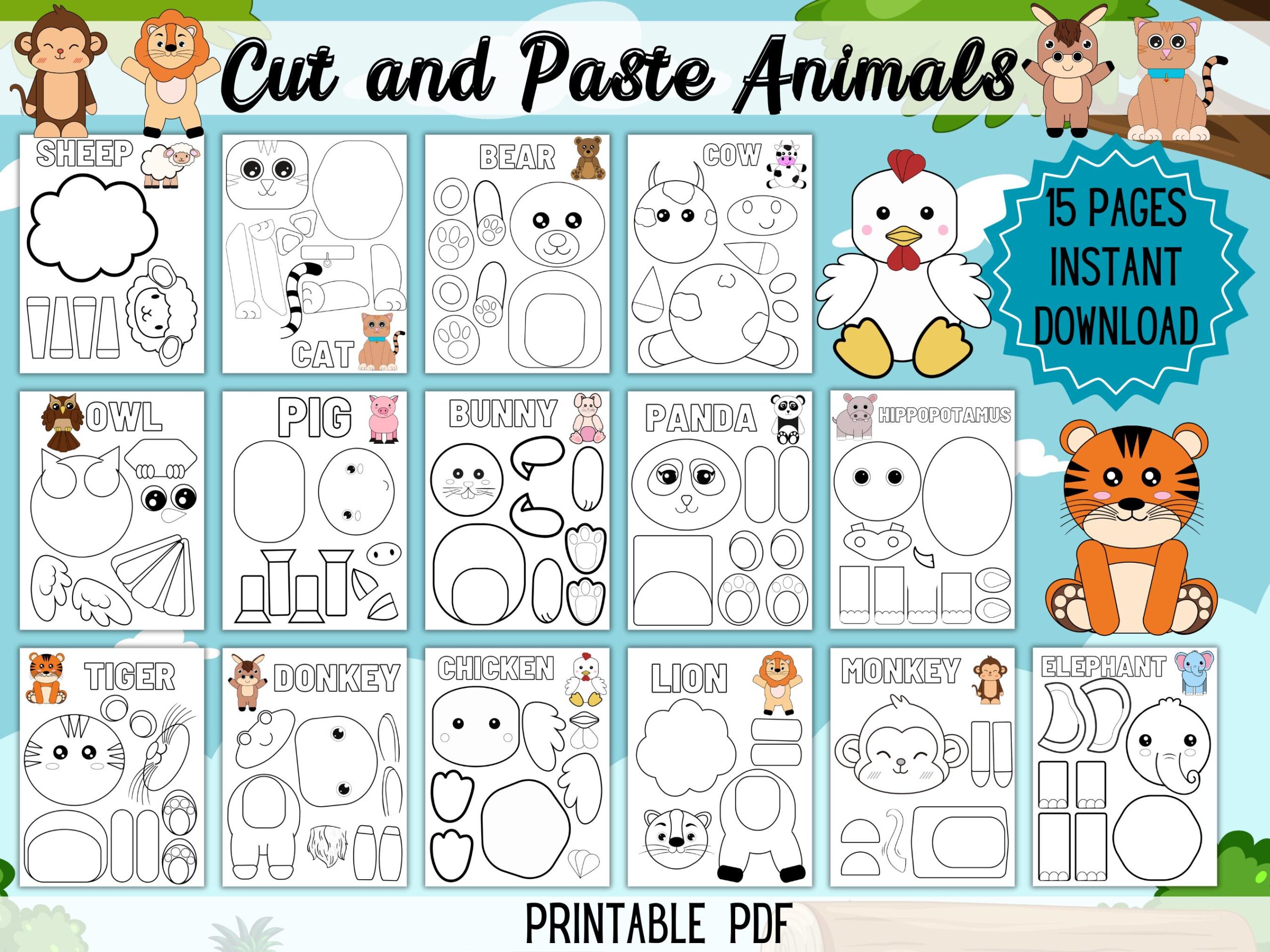
Cut And Paste Worksheets Animals are printable activities designed for children, typically in preschool or early elementary grades. They usually include images of animals that children can cut out and paste onto a designated area on the worksheet. This activity encourages creativity and helps with hand-eye coordination. The worksheets often include prompts or questions related to the animals, enhancing learning by integrating fun with education.
Benefits of Using Cut And Paste Worksheets
Using Cut And Paste Worksheets Animals can benefit young learners in several ways:
- Fine Motor Skills Development: The act of cutting and pasting helps improve children’s dexterity and control over hand movements.
- Cognitive Skills: These worksheets often require children to think critically about which animals belong in specific habitats or to answer questions related to the animals.
- Engagement: The hands-on nature of the activity keeps children engaged and can make learning about animals more enjoyable.
- Creativity: Children can express themselves by choosing how to arrange the cut-out animals on their worksheets, fostering creativity.
Choosing the Right Worksheets for Your Class
When selecting Cut And Paste Worksheets Animals for your students, consider the following factors:
- Age Appropriateness: Ensure the worksheets are designed for the correct age group. Younger children may need simpler designs and fewer components, while older students can handle more complex tasks.
- Educational Goals: Decide what you want your students to learn. Are you focusing on animal identification, habitats, or perhaps the food chain? Choose worksheets that align with your goals.
- Visual Appeal: Look for worksheets that are colorful and engaging. Attractive designs can enhance a child’s interest in the activity.
Tips for Downloading and Printing Worksheets
Once you’ve selected the Cut And Paste Worksheets Animals that meet your needs, follow these tips for downloading and printing:
- File Format: Most worksheets are available in PDF format, which is ideal for printing as it maintains the layout and quality. Ensure you download the correct version for your needs.
- Paper Size: Standard paper size (8.5 x 11 inches) is commonly used, but you may also find worksheets formatted for larger sizes. Check your printer settings to ensure the correct size is selected.
- Print Settings: Adjust your print settings to optimize quality. For example, setting the printer to “best quality” can make a difference, especially for colorful designs.
- Cardstock vs. Regular Paper: If you plan on laminating the worksheets for reuse, consider printing on cardstock. It’s sturdier and holds up better to repeated handling.
Ideas for Extending Learning Beyond the Worksheets
To enhance the educational value of the Cut And Paste Worksheets Animals, incorporate these ideas into your teaching:
- Animal Research Projects: After completing the worksheets, have students choose an animal to research. They can present their findings to the class, sharing interesting facts and characteristics.
- Field Trips: If possible, plan a visit to a local zoo or aquarium. This real-world experience can enrich the learning from the worksheets and provide context.
- Creative Writing: Encourage students to write a short story or a factual paragraph about the animals they cut and pasted. This can help reinforce their understanding and improve writing skills.
- Art Projects: Use the cut-out animals for an art project. Students can create collages or dioramas that depict animal habitats, integrating art with science.
Tracking Progress With Worksheets
Tracking student progress with Cut And Paste Worksheets Animals can help you gauge their understanding and engagement. Here are some practical methods:
- Observation: Monitor how students interact with the worksheets. Are they completing tasks independently? Are they asking questions about the animals?
- Checklist: Create a checklist of skills or concepts you want students to demonstrate through the worksheets. This could include identifying animals, correctly pasting them, or answering related questions.
- Feedback: Provide feedback on their completed worksheets. Highlight what they did well and offer suggestions for improvement. This can also be a great opportunity for positive reinforcement.